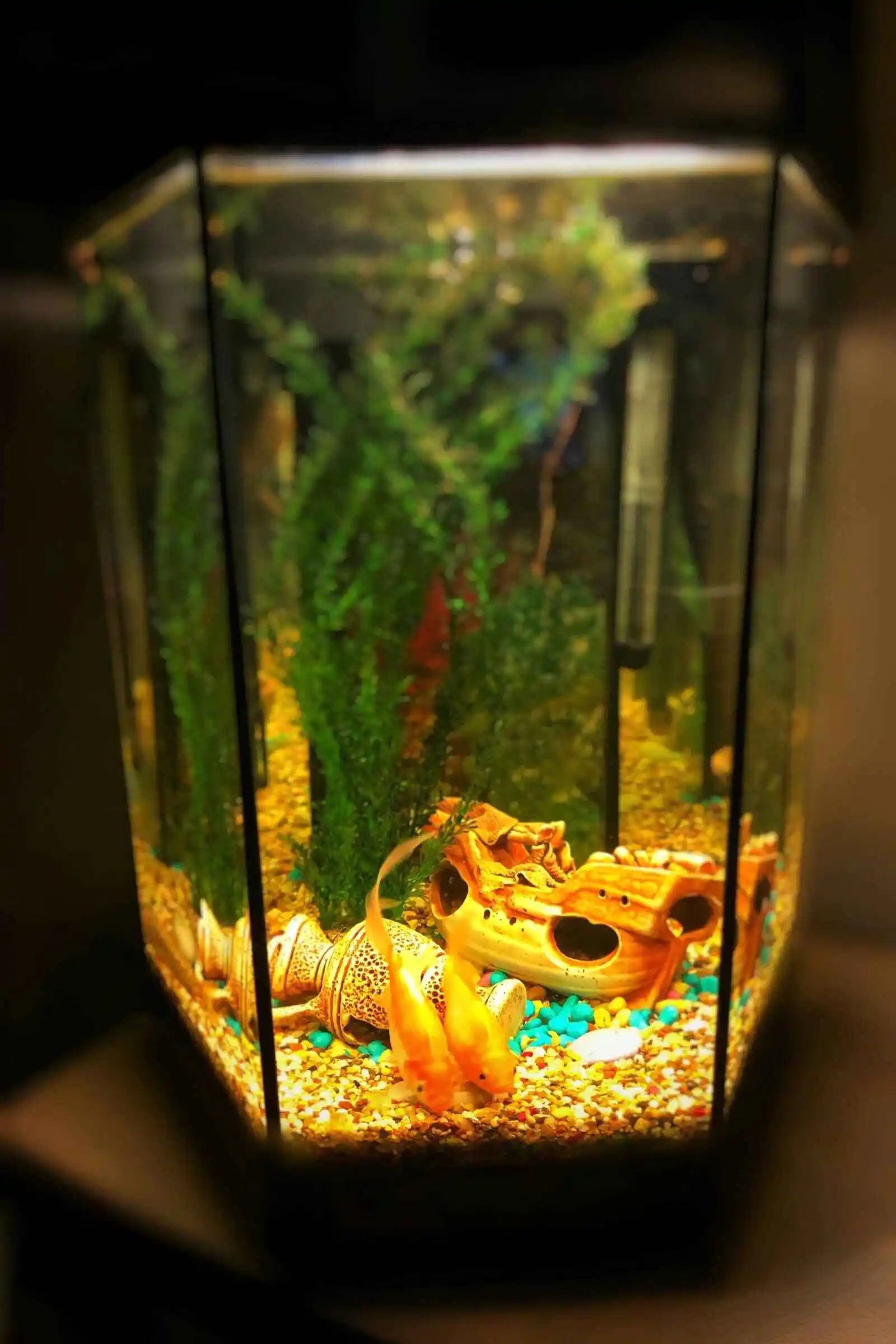
How to Start a Fish Aquarium at Home
How to start a fish aquarium at home can be one of the most rewarding hobbies you can take up. A well-kept aquarium brings beauty, calm, and life into a room. Watching fish glide through clear water can reduce stress, and caring for them can become a relaxing daily routine. At the same time, an aquarium is not just a decoration. It is a living ecosystem, and that means it needs planning, patience, and regular care.
Many beginners make the same mistake: they buy a tank, add water, put fish inside, and hope everything will work out. Unfortunately, that often leads to sick fish, cloudy water, algae problems, and disappointment. The good news is that setting up a home aquarium is much easier when you understand the basic steps. You do not need expensive equipment or expert-level knowledge to begin. You only need the right information and a willingness to go slowly.
This article will guide you through everything you need to know about starting a fish aquarium at home. You will learn how to choose the right tank, what equipment you need, how to cycle the aquarium, how to choose beginner-friendly fish, how to feed them, how to clean the tank, and how to avoid common mistakes. By the end, you will have a clear understanding of how to create a healthy aquarium that can stay beautiful for years.
How to Start a Fish Aquarium at Home – Why Start an Aquarium at Home?
A home aquarium offers many benefits beyond simple decoration. First, it creates a peaceful atmosphere. The movement of fish and the gentle sound of water can make a room feel calm and alive. Second, it can become an educational hobby. If you have children at home, an aquarium can teach them responsibility, patience, and respect for living creatures. Third, it gives you a chance to build and care for a miniature ecosystem, which is both creative and satisfying.
Aquariums can also improve your connection with nature, especially if you live in a city and do not have easy access to natural spaces. Even a small tank can bring a bit of the natural world indoors. For many people, caring for fish becomes a pleasant daily habit that adds structure and enjoyment to life.
That said, fish are living beings, not ornaments. They need clean water, proper temperature, proper feeding, and a suitable environment. If you are ready to care for them properly, an aquarium can be a very fulfilling hobby.
How to Start a Fish Aquarium at Home – Step 1: Decide What Type of Aquarium You Want
Before buying anything, you should decide what kind of aquarium you want. This decision affects the tank size, equipment, fish selection, and cost.
Freshwater or saltwater
For beginners, a freshwater aquarium is the best choice. Freshwater tanks are easier to maintain, less expensive, and more forgiving if you make mistakes. They can still look stunning, with bright fish, live plants, and decorative layouts.
Saltwater aquariums are more advanced. They usually require stronger equipment, more testing, and more precise water conditions. Marine fish and coral can be beautiful, but they are harder to keep healthy. If you are just starting, do not begin with saltwater unless you are ready for a much bigger learning curve.
Community tank, species tank, or planted tank
A community tank contains several peaceful fish species that can live together. Also, this is the most common type for beginners.
A species tank contains only one kind of fish, such as guppies or bettas. These tanks are easier to plan because all fish have similar care needs.
A planted tank includes live aquatic plants along with fish. These tanks can look very natural and beautiful, but they need proper lighting and some knowledge of plant care. A planted freshwater tank is still a very good option for beginners if kept simple.
Small or large tank
Many people think a small tank is easier because it takes less space, but that is often not true. Very small tanks change temperature and water quality quickly, which can make them harder to manage. A medium-sized tank is usually much better for a beginner.
A tank between 20 and 40 gallons is often ideal for first-time fish keepers. It provides enough room for stable water conditions and gives you more flexibility with fish choices. If space or budget is limited, you can still start smaller, but you need to be extra careful with maintenance.
How to Start a Fish Aquarium at Home – Step 2: Choose the Right Tank Location
The location of the aquarium matters a lot. Once the tank is filled, moving it becomes difficult. Choose a stable surface that can hold the full weight of the tank, water, gravel, decorations, and equipment. Water is heavy, so never place a tank on a weak table or uneven surface.
Keep the aquarium away from direct sunlight, because too much sunlight encourages algae growth and can heat the water too quickly. Avoid placing it near windows, air conditioners, doors, or heaters, since sudden temperature changes can stress fish.
You should also choose a location where you can easily access the tank for feeding and cleaning. An aquarium is easier to care for if it is in a quiet, convenient spot with a nearby power source for the filter, heater, and light.
How to Start a Fish Aquarium at Home – Step 3: Buy the Essential Equipment
A successful aquarium needs more than just a glass tank and water. The following items are important for a beginner setup.
Aquarium tank
Choose a tank size that best suits your space and budget. Glass tanks are common and durable, while acrylic tanks are lighter and less likely to break but can scratch more easily.
Filter
The filter is one of the most important parts of the aquarium as it keeps the water clean by removing dirt, waste, and harmful substances. It also supports beneficial bacteria that help process fish waste. A good filter is essential for healthy fish.
There are different types of filters, such as hang-on-back, sponge, and internal filters. For beginners, a simple and reliable filter that matches the tank size is usually enough.
Heater
Most tropical fish need warm, stable water. A heater helps maintain the correct temperature. Not all fish need a heater, but most popular beginner fish do. If you are keeping tropical fish, a heater and thermometer are necessary.
Thermometer
A thermometer helps you monitor water temperature. Fish can become stressed if the water gets too hot or too cold.
Light
A light helps you see the fish and, if you keep live plants, supports plant growth. Aquarium lights do not need to be too strong for a beginner tank. Too much light can cause algae problems, so moderate lighting is usually best.
Substrate
Substrate is the material placed at the bottom of the tank, which may be gravel, sand, or special plant substrate. Substrate gives the aquarium a natural appearance and provides a base for plants and decorations. For beginners, simple aquarium gravel is a common choice.
Water conditioner
Tap water often contains chlorine or chloramine, which can harm fish. A water conditioner removes these harmful chemicals, making tap water safer for aquarium use. This is a must-have item.
Fish net
A fish net helps you move fish carefully if needed.
Siphon or gravel vacuum
This tool helps you remove waste and dirty water during cleaning.
Test kit
A water test kit helps you check ammonia, nitrite, nitrate, and pH levels. This is especially useful while cycling the aquarium and during regular maintenance.
Decorations and hiding places
Fish feel safer when they have places to hide. Rocks, driftwood, ceramic ornaments, and aquarium-safe decorations can make the tank more attractive and comfortable.
How to Start a Fish Aquarium at Home – Step 4: Wash and Prepare the Tank
Before setting up the aquarium, rinse the tank and decorations with plain water. Do not use soap, detergent, or household cleaners, because even tiny residues can harm fish.
Rinse the substrate until the water runs mostly clear. This helps reduce dust and cloudiness in the tank. Wash decorations gently to remove dust or debris. If you are using live plants, prepare them according to their needs and trim any damaged leaves.
Once everything is clean, place the tank on its stand or chosen surface. Also, make sure it is level and stable.
How to Start a Fish Aquarium at Home – Step 5: Set Up the Aquarium
Now you can begin building the aquarium.
First, place the substrate at the bottom. A layer of about 1 to 2 inches is enough for many beginner tanks, though planted tanks may need more depending on the type of plants.
Next, add decorations, rocks, driftwood, and any hiding places. Arrange them so that the fish have swimming space and shelter. Do not overcrowd the tank with decorations. Fish need open water, too.
Then install the filter, heater, and thermometer. Follow the product instructions carefully. Make sure cords are arranged safely, and the equipment is working properly.
After that, fill the aquarium with water. To avoid disturbing the substrate, pour the water slowly, perhaps over a plate or plastic bag placed inside the tank. This helps prevent the gravel from being stirred up too much.
Once the tank is filled, add water conditioner according to the directions on the bottle. Then turn on the filter and heater also check that everything is functioning correctly.
How to Start a Fish Aquarium at Home – Step 6: Learn About the Nitrogen Cycle
This is one of the most important parts of starting an aquarium, and it is often ignored by beginners.
Fish produce waste, and uneaten food also breaks down in water. This creates harmful ammonia. Beneficial bacteria in the aquarium convert ammonia into nitrite, and then another group of bacteria converts nitrite into nitrate. Nitrate is less harmful, though it still needs to be controlled with regular water changes.
This process is called the nitrogen cycle. When a tank is new, these beneficial bacteria are not yet established. That means ammonia and nitrite can quickly rise to dangerous levels if fish are added too soon.
For this reason, a new aquarium should be cycled before adding fish. Cycling means allowing beneficial bacteria to develop so the tank can process waste properly.
How to cycle a tank
There are several methods, but the most common beginner method is fishless cycling. In fishless cycling, you add a source of ammonia to the tank without fish. This allows bacteria to grow while no animals are exposed to toxic water conditions. The process may take several weeks, but it is the safest method.
During cycling, you test the water regularly for ammonia, nitrite, and nitrate. At first, ammonia rises. Later, nitrite rises. Finally, both ammonia and nitrite fall, and nitrate appears. When ammonia and nitrite are both at zero, and nitrate is present, the tank is cycled.
You can also speed up cycling by using filter media or gravel from an established healthy aquarium, because it already contains beneficial bacteria. However, only use material from a disease-free tank.
Never rush this step. A properly cycled aquarium is one of the strongest foundations for healthy fish.
How to Start a Fish Aquarium at Home – Step 7: Choose Beginner-Friendly Fish
Fish selection is a very important part of success. Also, not all fish are suitable for beginners. Some are delicate, aggressive, or require special care.
Good beginner fish for freshwater tanks
Guppies are the best choice as they are colorful, active, and easy to care for. They are one of the most popular beginner fish.
Platies are peaceful, hardy, and attractive. They do well in community tanks.
Mollies are also hardy and available in many colors, though they prefer stable water conditions.
Zebra danios are active and resilient, making them a good choice for new aquariums.
Corydoras catfish are peaceful bottom-dwellers that help keep the tank lively. They should be kept in groups.
Betta fish are beautiful and can live in smaller tanks, but they are not suitable for all community setups. Male bettas can be aggressive toward each other and sometimes toward other fish with bright fins. If you choose a betta, make sure the tank is appropriate, and the tank mates are compatible.
Neon tetras are small and attractive, but they do best in established tanks with stable conditions and should be kept in groups.
Fish to avoid at the beginning
Avoid large fish, very aggressive species, or fish that need specialized care. Also, avoid mixing species without knowing their temperature, water, and behavior needs. Do not buy fish just because they are colorful. Always research compatibility first.
How many fish should you buy?
A common beginner mistake is overstocking the tank. Too many fish in a small tank causes poor water quality and stress. Start with a small number of fish and add more slowly over time, only after the aquarium is stable.
It is better to have fewer healthy fish than many fish in a crowded tank.
How to Start a Fish Aquarium at Home – Step 8: Introduce the Fish Properly
After the tank is cycled and ready, you can bring home the fish. Do not place the bag directly into the tank and release them immediately. Fish need time to adjust to the new water temperature and chemistry.
Float the sealed bag in the aquarium for about 15 to 20 minutes so the temperature equalizes. Then, gradually mix small amounts of aquarium water into the bag. This helps the fish adjust more safely.
When ready, gently transfer the fish into the tank without pouring store water into your aquarium if possible. Store water may contain waste or contaminants. Once released, keep the aquarium lights dim for a few hours to reduce stress.
Do not feed the fish immediately if they seem stressed. Wait a few hours or until the next day if necessary.
How to Start a Fish Aquarium at Home – Step 9: Feed Fish the Right Way
Feeding may seem simple, but overfeeding is one of the most common aquarium problems. Fish need small amounts of food, usually once or twice a day, depending on the species. Also, only give what they can eat in a minute or two.
Also, uneaten food quickly rots and pollutes the water. It is better to feed a little less than too much. Most beginner fish can do well on high-quality flakes or pellets, though some species may need special foods such as frozen or live food.
Remove leftover food if you notice any after feeding. A clean tank starts with careful feeding habits.
How to Start a Fish Aquarium at Home – Step 10: Maintain Water Quality
As good water quality is the key to healthy fish. Even if fish look fine at first, poor water conditions can cause problems later.
Weekly water changes
Most aquariums need partial water changes every week or every other week. Replace around 20 to 30 percent of the water with fresh, dechlorinated water. This helps remove waste and keep nitrate levels under control.
Gravel cleaning
Use a siphon or gravel vacuum during water changes to remove debris from the bottom of the tank. Fish waste and uneaten food often collect in the substrate.
Filter care
Do not wash all filter media with tap water at once, as this can remove beneficial bacteria. If cleaning is needed, gently rinse the filter material with old aquarium water during a water change. Replace filter parts according to the manufacturer’s instructions, but do so gradually to avoid disrupting the biological balance.
Glass cleaning
Algae may form on the glass. Use an aquarium-safe algae scraper or sponge to clean it. Never use soap or harsh chemicals.
Water testing
Test water regularly, especially in a new tank or if fish seem sick. If ammonia or nitrite appears, take action quickly by changing water and checking whether the tank is overstocked or the filter is struggling.
How to Start a Fish Aquarium at Home – Step 11: Watch Your Fish Every Day
One of the best habits in fish keeping is simply observing your fish every day. Spend a minute or two looking at how they swim, eat, and interact.
Healthy fish are usually active, alert, and balanced in the water. Warning signs include gasping at the surface, clamped fins, fading color, white spots, rapid breathing, hiding too much, or not eating.
If you notice unusual behavior, check the water first. Many fish problems are caused by poor water quality rather than disease. Also, catching problems early makes treatment much easier.
How to Start a Fish Aquarium at Home – Step 12: Learn Common Mistakes to Avoid
Beginners often make similar mistakes. Knowing them ahead of time can save time, money, and fish lives.
Adding fish too soon
This is one of the biggest mistakes. The tank must be cycled before fish are added.
Overfeeding
Too much food pollutes the water and harms fish.
Overstocking
Too many fish in a small tank creates stress and poor water quality.
Using untreated tap water
Always use a water conditioner unless your water source is already treated in a safe and reliable way.
Choosing incompatible fish
Some fish are peaceful, while others are aggressive or territorial. Research every species before mixing them.
Ignoring maintenance
An aquarium needs regular care. Even the most beautiful setup will fail if neglected.
Buying fish before the tank is ready
Always prepare the aquarium first. Fish should be the final step, not the first.
How to Start a Fish Aquarium at Home – Step 13: Optional Upgrades for a Better Aquarium
Once you are comfortable with the basics, you may want to further improve your aquarium.
Live plants can make the tank look more natural and help improve water quality. Also, they give fish places to hide. Some beginner-friendly plants include hardy varieties that do not require intense lighting.
A background on the back of the tank can make the aquarium look cleaner and more attractive.
An automatic timer for lights can help keep a consistent schedule.
An air pump can improve water movement and oxygenation in some tanks.
A quality stand and cabinet can make the setup look neat while also safely supporting the aquarium’s weight.
These upgrades are not mandatory, but they can improve both the appearance and function of your tank.
How to Start a Fish Aquarium at Home – Step 14: Understand the Long-Term Commitment
A fish aquarium is not a one-time project. It is a living environment that changes over time. Fish may grow, plants may spread, algae may develop, and equipment may need maintenance. A good aquarium keeper accepts this as part of the hobby.
You should be prepared for regular feeding, water changes, occasional testing, and close monitoring of the tank. In return, you get a peaceful and beautiful living display that can last for years.
Some fish live for a long time, and in proper conditions, they can become familiar and even interactive. Your daily care directly affects their health and lifespan.
Step 15: A Simple Beginner Setup Example
Here is a simple and practical first aquarium idea for a beginner:
Use a 20 to 30-gallon freshwater tank. Add gravel substrate, a basic filter, a heater, a thermometer, and a light. Decorate with a few rocks, some hiding spaces, and possibly a few easy live or artificial plants. Also, cycle the tank fully before adding fish.
Then lightly stock the tank with peaceful beginner fish, such as guppies, platies, or zebra danios, depending on compatibility and tank size. Feed small amounts once or twice a day, perform weekly partial water changes, and test the water regularly.
This kind of setup is manageable, attractive, and a great way to learn aquarium care without becoming overwhelmed.
Why Patience Matters in Fish Keeping
Patience is probably the most important quality in fish keeping. Many problems happen because people want fast results. They want fish in the tank immediately. They want the water to look perfect instantly. They want the aquarium to be full and colorful right away.
But a healthy aquarium grows over time. Bacteria need time to establish. Fish need time to settle in. The aquarist needs time to learn. Every healthy aquarium is built through small, careful steps.
If you move slowly, test often, and make thoughtful decisions, your chances of success rise greatly. Fish keeping rewards calm attention more than speed.
Final Thoughts
Starting a home aquarium is a wonderful hobby when done properly. It combines beauty, science, and responsibility. A successful aquarium begins with planning: choosing the right tank, setting it up carefully, cycling it fully, selecting compatible fish, and maintaining water quality through regular care.
The most important lesson is this: the aquarium must be ready before the fish are added, and the fish should always be chosen with their comfort and safety in mind. Once you understand that idea, the rest becomes much easier.
A home aquarium does not need to be large or expensive to be meaningful. Even a modest setup can become a peaceful and attractive part of your home. With proper care, your fish can thrive, your tank can stay clear and balanced, and your hobby can bring long-lasting enjoyment.
If you begin with patience, knowledge, and consistency, your fish aquarium can become one of the most beautiful and satisfying things in your home.