How to Care for a Snake Plant: The Complete Guide
How to care for a snake plant can be pretty interesting, as snake plants are one of the easiest and most popular houseplants you can grow. They are attractive, hardy, and able to survive in conditions that many other plants would struggle with. Their tall, sword-shaped leaves and bold patterns make them a stylish choice for homes, offices, bedrooms, and apartments. Even better, they are often recommended for beginners because they do not need constant attention.
That said, snake plants do best when you understand a few basic care rules. They may be low-maintenance, but they are not completely carefree. Too much water, poor soil, or the wrong light can slowly damage them over time. The good news is that once you learn how to care for a snake plant properly, it can stay healthy for many years and continue growing with very little effort.
In this guide, you will learn everything you need to know about snake plant care, including light, water, soil, temperature, fertilizer, repotting, propagation, and how to solve common problems.
What Is a Snake Plant?
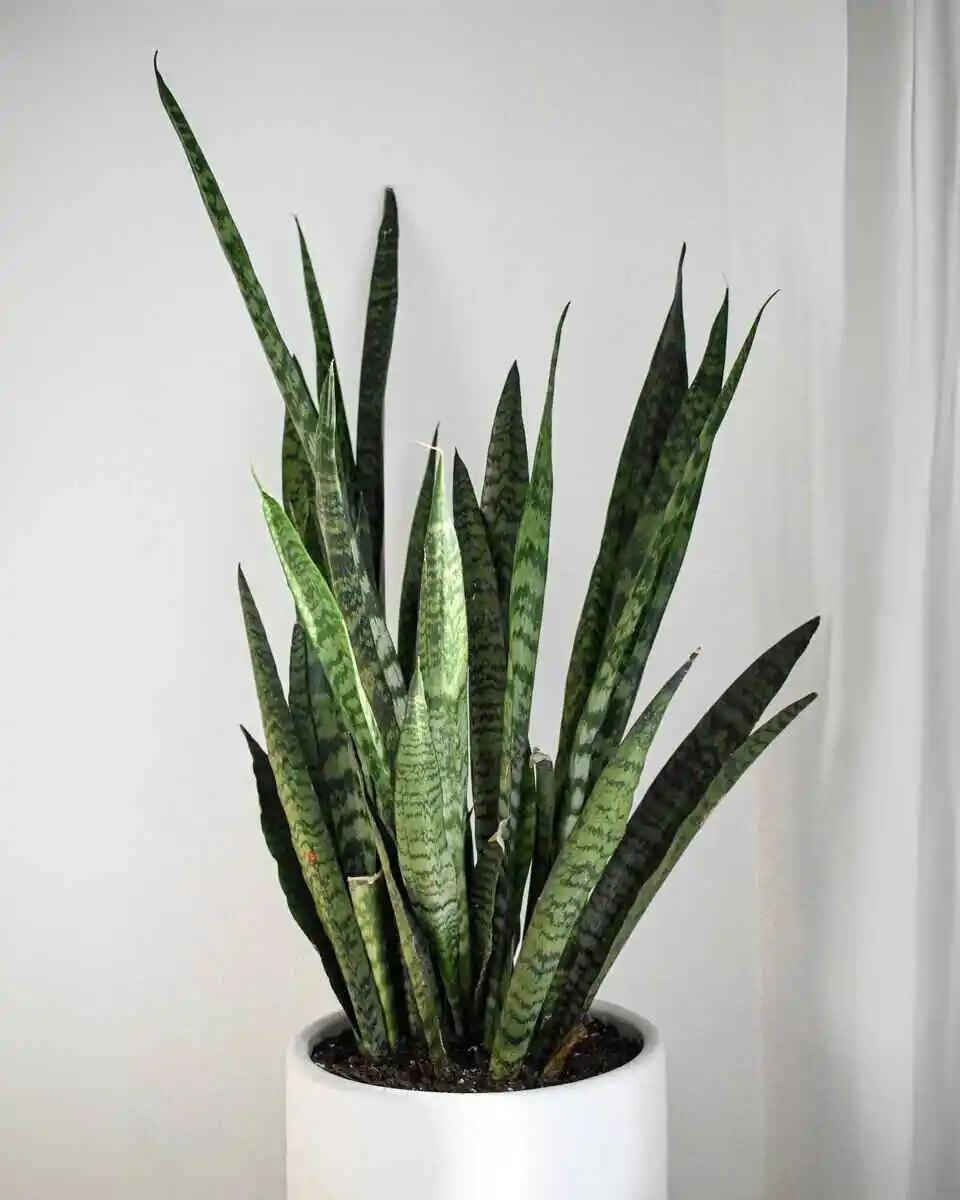
The snake plant, also known as Sansevieria or Dracaena trifasciata, is a tropical plant native to Africa and parts of Asia. It is famous for its upright leaves that look like spears or swords. Some varieties have green leaves with yellow edges, while others may have silver markings, dark green bands, or compact rosette shapes.
Snake plants are loved for their tough nature. They can tolerate low light, irregular watering, and dry indoor air. This makes them ideal for people who travel often, forget to water plants, or want a low-fuss indoor plant with a strong visual impact.
Benefits of Growing a Snake Plant
Snake plants are more than just decorative. They are popular for several reasons:
They are highly adaptable and can grow in different indoor environments.
Also, they need very little watering compared to many other houseplants.
They are known for their air-purifying qualities.
Also, they can grow in bright light, partial shade, or even lower light areas.
They are long-lasting and can live for many years with proper care.
Because of these benefits, snake plants are often considered one of the best plants for beginners.
Light Requirements for Snake Plant Care
Light is one of the most important parts of snake plant care. The plant is flexible, but it still grows best when given the right amount of light.
Snake plants prefer bright, indirect light. Also, a spot near a window with filtered sunlight is ideal. They can also handle medium to low light conditions, although growth may slow in darker areas.
Direct harsh sunlight for long periods can scorch the leaves, especially if the plant is placed near a very hot window. On the other hand, if the plant is kept in deep shade for too long, it may become weak, grow slowly, or lose its vibrant leaf color.
If you want stronger growth and better leaf color, place the plant in a bright room. If you are keeping it in a low-light corner, rotate it occasionally to help it grow evenly.
How Often to Water a Snake Plant
Overwatering is the most common reason snake plants die, as they store water in their thick leaves and roots, which means they do not need frequent watering.
The best rule is to let the soil dry out completely before watering again. In many homes, this may mean watering every 2 to 4 weeks, depending on the season, light, temperature, and pot size. During winter, the plant usually needs even less water.
Before watering, check the top few inches of soil with your finger. If it still feels damp, wait a few more days before watering for the best growth. When you water, water deeply so that the moisture reaches the roots, then let any extra water drain out completely.
Never let a snake plant sit in standing water. A pot without drainage holes can trap water and cause root rot, which is one of the fastest ways to damage the plant.
Signs of too much water include yellow leaves, soft stems, mushy roots, and a bad smell coming from the soil. If you see these signs, reduce watering immediately and inspect the roots.
Signs of underwatering include wrinkled leaves, dry soil pulling away from the pot, and slightly curled leaf edges. Snake plants usually recover better from underwatering than from overwatering, so it is safer to keep the soil on the dry side.
Best Soil for Snake Plants
Snake plants need soil that drains quickly. Heavy soil that holds too much moisture can suffocate the roots and cause rot.
A well-draining cactus or succulent mix is ideal for the best growth. You can also make your own mix by combining regular potting soil with sand, perlite, or pumice to improve drainage. Also, the goal is to create soil that dries faster than standard houseplant soil.
If you are repotting your snake plant, choose a pot with drainage holes. Terra cotta pots are a great choice because they allow moisture to escape more quickly than plastic containers.
Avoid compact, sticky soil that stays wet for many days. Snake plants prefer an airy root environment more than rich, dense soil.
Ideal Temperature and Humidity
Snake plants are comfortable in typical indoor temperatures, as they generally do well between 60°F and 85°F (16°C to 29 °C).
They do not like extreme cold. Keep them away from freezing temperatures, cold drafts, and frosty windows. If the temperature drops too low, the plant may become stressed, and the leaves may turn soft or damaged.
As for humidity, snake plants are not very demanding. Normal indoor humidity is usually enough. They do not need misting, and in fact, too much moisture on the leaves is unnecessary. Since they come from drier climates, they are adapted to average household air.
How to Fertilize a Snake Plant
Snake plants do not need heavy feeding. Too much fertilizer can harm the roots and cause weak, unnatural growth.
A balanced houseplant fertilizer diluted to half strength is enough. Feed the plant once a month during spring and summer, when it is actively growing. In fall and winter, you can stop fertilizing altogether because the plant rests during the colder months.
If your snake plant is already healthy and growing steadily, you may not need much fertilizer at all. These plants are often happy with minimal feeding.
Watch out for overfertilizing. Signs include brown leaf tips, crusty soil, or unusual growth. Less is usually better with snake plants.
How to Repot a Snake Plant
Snake plants like to be slightly root-bound, so they do not need frequent repotting. In many cases, repotting every 2 to 3 years is enough.
You may need to repot sooner if the roots are growing out of the drainage holes, the pot is cracking, or the plant is becoming unstable and top-heavy.
To repot, gently remove the plant from its current pot and inspect the roots; also, trim away any damaged or rotten roots. Choose a pot that is only slightly larger than the old one, since too much extra soil can hold too much water. Fill the new pot with fresh, well-draining soil and place the plant at the same depth it was before.
After repotting, wait a few days before watering so the roots can settle and heal.
Pruning and Cleaning Snake Plant Leaves
Snake plants do not need regular pruning, but occasional care helps them stay neat and healthy.
Remove damaged, yellow, or dead leaves at the base using clean scissors or pruning shears. If a leaf is badly bent or broken, it is usually best to remove it entirely rather than letting it remain on the plant.
The leaves may collect dust over time. Wipe them gently with a soft, damp cloth to keep them clean and shiny for the best growth. Also, this helps the plant absorb light more efficiently.
Do not cut the leaf tips unless they are dry and brown. Even then, only trim the damaged part carefully, because cutting healthy tissue can leave the leaf looking uneven.
How to Propagate Snake Plants
Snake plants are easy to propagate, which makes them a rewarding plant to multiply or share with friends.
There are two common methods:
Leaf cuttings: Cut a healthy leaf into sections and place the pieces in water or soil. Roots and new growth can develop over time, though this method takes patience.
Division: This is the easiest and fastest method. When repotting, separate a mature plant into smaller sections, making sure each section has roots attached. Then plant each section in its own pot for the best growth.
If you want the new plant to look exactly like the original, division is usually the best choice. Leaf cuttings can sometimes produce new plants with slightly different patterns, especially in variegated varieties.
Common Snake Plant Problems and How to Fix Them for Best Growth
Even though snake plants are tough, they can still develop problems. The most common issues are easy to recognize once you know what to look for.
Yellow Leaves
Yellow leaves are often caused by overwatering. Check the soil first. If it is wet or soggy, allow it to dry out and reduce watering in the future. In severe cases, root rot may be the issue, and the plant may need fresh soil and trimmed roots.
Mushy or Soft Base
A soft base usually means the roots or lower stem are rotting. This happens when the plant stays wet for too long. Remove the plant from the pot, cut away rotted parts, and repot it in dry, well-draining soil.
Brown Tips
Brown tips can come from underwatering, fertilizer buildup, dry air, or poor water quality. Make sure you are not letting the plant go bone-dry for long periods. You can also flush the soil occasionally with plain water to remove excess salts.
Curling Leaves
Curled leaves may mean the plant is thirsty, stressed, or exposed to too much sun. Check both the soil and the light conditions.
Slow Growth
Snake plants grow slowly by nature, especially in lower light. If growth seems extremely limited, move the plant to a brighter location and check whether it needs repotting or a small amount of fertilizer during the growing season.
Pests
Snake plants are fairly pest-resistant, but they can occasionally attract mealybugs, spider mites, or scale. Inspect the leaves regularly, especially near the base and along the undersides. If you notice pests, wipe them off and treat the plant with insecticidal soap or neem-based treatment if needed.
Seasonal Snake Plant Care
Snake plant care changes slightly with the seasons for best growth.
In spring and summer, the plant grows more actively. This is the best time for fertilizing, repotting, and propagation. Water a little more often, but always allow the soil to dry first.
In fall and winter, growth slows down. The plant will need less water and no fertilizer. Keep it away from cold windows and drafts, especially at night.
By adjusting care with the seasons, you can keep the plant healthy year-round without overdoing anything.
Snake Plant Care Tips for Beginners
If you are new to plant care, snake plants are a great starting point. Keep these simple tips in mind:
Use a pot with drainage holes.
Do not water on a fixed schedule; check the soil first.
Choose a bright room with indirect light.
Use fast-draining soil.
Avoid overfertilizing.
Watch for yellowing leaves as an early warning sign.
The most important lesson is this: snake plants prefer neglect over constant attention, as a little care goes a long way.
Are Snake Plants Safe for Pets?
Snake plants are mildly toxic if eaten by cats or dogs. They contain compounds that can cause stomach upset, drooling, nausea, or vomiting if pets chew on the leaves. For this reason, it is best to keep the plant out of reach of curious pets and small children.
Final Thoughts
Snake plants are one of the best indoor plants you can grow because they are attractive, resilient, and easy to maintain. With the right balance of light, water, and soil, your snake plant can thrive for years with very little effort. The secret is simple: give it bright indirect light, water only when the soil is dry, and avoid heavy, wet conditions.
If you want a plant that looks modern, grows steadily, and does not demand much attention, the snake plant is an excellent choice. Once you understand its basic needs, caring for it becomes simple and enjoyable.