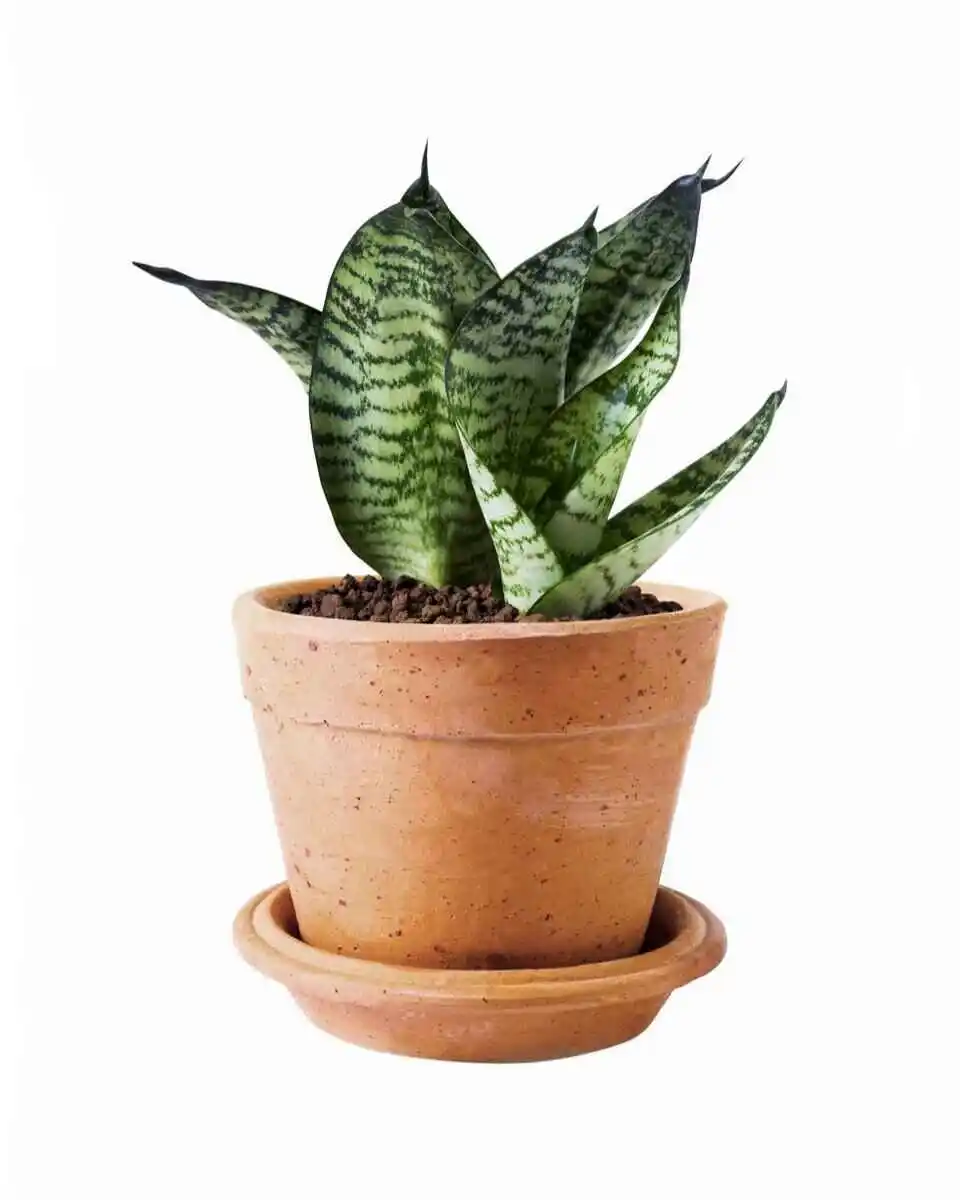
How Often to Water Snake Plant in Summer for Best Growth
How often to water a snake plant in Summer can be pretty interesting, as Snake plants are famous for being tough, low-maintenance. Which is exactly why so many people love them: they can also survive in low light, handle missed waterings, and still look stylish in a home, office, or on a balcony. But even a hardy plant like the snake plant needs the right watering schedule, especially during the hot summer months.
Summer changes everything. Higher temperatures, stronger sunlight, faster soil drying, and increased indoor airflow can all affect how quickly your snake plant uses water. Water too often, and the roots may rot. Water too little, and the plant may become stressed, wrinkled, or stop growing well. The key is not to water on a fixed calendar, but to learn how to read the plant and the soil.
In this article, you will learn how often to water a snake plant in summer, what affects watering frequency, how to tell when your plant needs water, and how to avoid the most common watering mistakes.
Understanding Snake Plant Watering Needs
Snake plants, also known as Sansevieria or Dracaena trifasciata, store water in their thick leaves and strong root systems. That means they are built to survive dry conditions. In their natural environment, they are used to periods of dryness rather than constant moisture.
Because of this, snake plants should always be watered sparingly. They do not like sitting in wet soil. Their roots need air as much as they need moisture, and soggy soil blocks airflow around the roots. This is also why overwatering is one of the leading causes of snake plant death.
In summer, many plant owners assume the heat means the snake plant needs frequent watering. That is not always true. Although the soil may dry faster in summer, the plant still prefers to dry out completely between waterings. The goal is to give enough water to support growth without keeping the roots wet for too long.
How Often to Water Snake Plant in Summer for Best Growth
In most homes, a snake plant in summer needs water about once every 2 to 4 weeks. Also, this is only a general guide, not a strict rule. Some plants may need water a little sooner, while others may go longer without it.
The actual schedule depends on several conditions:
- how much light the plant receives
- how hot the room or outdoor space is
- the size of the pot
- the type of soil used
- whether the plant is indoors or outdoors
- The humidity in your area
A snake plant kept in bright light near a sunny window may dry out faster than one kept in a shaded corner. A plant in a small pot will also dry faster than one in a large pot. If your region has very dry summer air, the soil may dry more quickly than in a humid climate.
Instead of watering every week or every 10 days automatically, check the soil first. Snake plants should only be watered when the soil is completely dry to the touch.
The Best Way to Check if Your Snake Plant Needs Water for Best Growth
The simplest method is the finger test: insert your finger about 2 to 3 inches into the soil. If the soil feels dry all the way down, it is usually time to water. If it still feels cool or slightly moist, wait a few more days.
Another method is to lift the pot. Also, a dry pot feels much lighter than a wet one. Once you become familiar with the weight difference, this can become a useful shortcut.
You can also use a wooden stick or a chopstick. Push it into the soil and pull it out after a few seconds. If it comes out dry with little or no soil sticking to it, the plant is ready for watering.
These simple checks matter more than the calendar. A snake plant does not care what day it is. It cares whether the roots are dry enough to safely accept more water.
Why Summer Changes the Watering Schedule
Summer heat increases evaporation from the soil surface, and bright light can also speed up plant activity. If your snake plant is growing actively in summer, it may use water more quickly than in winter.
Still, the plant’s growth is slow compared to many other houseplants. That means it does not need frequent watering just because the weather is warmer. In fact, snake plants are more likely to suffer from too much attention than too little.
There is also a difference between indoor and outdoor growing conditions. Indoors, a snake plant may experience stable temperatures and slower soil drying. Outdoors, especially on a balcony or patio, heat and wind can dry the soil much faster. A plant outside may need closer monitoring than one inside.
Humidity also matters. In dry summer weather, the soil dries faster. In humid weather, the soil stays moist longer, so watering should be less frequent.
Signs Your Snake Plant Needs Water
A snake plant often gives clear signs when it is thirsty. The leaves may begin to look slightly wrinkled, thin, or less firm than usual. The plant may also appear a bit droopy, though snake plants usually remain upright even when dry.
Other signs include:
- a very light pot when lifted
- Also, the soil pulling away from the sides of the pot is a sign that your snake plant needs water for the best growth
- a very light pot when lifted
- dry, cracked, or dusty soil on top
- slower growth during active summer months
These signs usually mean it is time to water, but they can also happen if the roots are damaged or if the plant has been neglected for a long time. That is why checking the soil is still the best first step.
Signs of Overwatering
Overwatering is far more dangerous than underwatering for snake plants when it comes to optimal growth. A plant that gets too little water may recover, but a plant with root rot can be much harder to save.
Watch for these warning signs:
- yellowing leaves
- soft, mushy leaves
- a bad smell coming from the soil
- black or brown spots near the base
- leaves falling over
- constantly wet soil
If the soil stays wet for many days after watering, that is a problem. In summer, the water should still drain well, and the soil should begin drying relatively quickly. If the pot has no drainage hole, excess water can collect at the bottom and harm the roots.
Best Soil and Pot for Summer Watering
The right soil makes a huge difference in how often you need to water. Snake plants do best in fast-draining soil. A cactus or succulent mix works well because it does not hold too much moisture.
Regular dense potting soil can stay wet for too long, especially in summer. If you are using a standard potting mix, adding perlite or coarse sand can improve drainage.
The pot matters too. Also, a pot with drainage holes is essential. This allows excess water to escape rather than collect around the roots. Terracotta pots are often a good choice because they allow moisture to evaporate more quickly. Plastic pots retain moisture longer, which means you may need to water less often.
A proper pot and soil combination can prevent many watering problems before they start.
How to Water Snake Plant Correctly in Summer
When it is time to water, give the plant a deep but infrequent watering. Pour water slowly into the soil until it runs out of the drainage holes. Also, this ensures the roots get enough moisture. Then let the pot drain completely.
Do not leave standing water in the saucer beneath the pot. Empty it after watering so the roots do not sit in excess moisture.
Avoid sprinkling small amounts of water on the surface every few days. Light watering only wets the top layer of soil and may encourage shallow roots or uneven moisture. Snake plants do better with a full watering followed by a complete drying period.
It is also better to water in the morning or early in the day. This gives the plant time to absorb moisture before cooler evening temperatures slow evaporation.
Indoor vs Outdoor Snake Plant in Summer
Indoor snake plants usually need less frequent watering than outdoor plants. Indoors, there is less wind, less direct heat, and more stable conditions. Depending on the room and light, the plant may only need water every 3 to 4 weeks or even less often.
Outdoor snake plants, especially those in bright sun, may dry faster. In a hot summer climate, they may need watering about every 2 weeks, sometimes a bit more often if the pot is small and the area is dry and windy.
Still, never water just because the plant is outside. Always check the soil first. Outdoor plants can dry out quickly on top while still retaining moisture deeper in the pot, so test below the surface.
Common Watering Mistakes to Avoid
One of the most common mistakes is watering on a fixed schedule without checking the soil. Another is using too much water too often. Also, snake plants are not as thirsty as tropical houseplants.
Other mistakes include:
- using a pot without drainage holes
- keeping the plant in heavy soil
- letting water sit in the saucer
- misting the leaves instead of watering the roots
- watering again before the soil has dried out
Misting is not useful for snake plants. Their leaves are thick and do not need extra humidity from spraying. The focus should always be on the root zone and soil moisture.
What Happens if You Water Too Often in Summer
If you water too frequently, the roots can start to rot. Root rot happens when roots stay wet too long and cannot breathe. Once this starts, the plant may show yellow leaves, mushy stems, or a collapsing base.
The danger is that overwatering damage often appears slowly. A plant may look fine for a while, even though the roots are already unhealthy. By the time the leaves show serious signs, the problem may be advanced.
This is why a snake plant should be treated more like a succulent than a leafy tropical plant. It would be better to be slightly dry than too wet.
What happens if you underwater it
Underwatering is less dangerous than overwatering, but it can still affect the plant. A snake plant that stays dry for too long may develop curled leaves, wrinkling, slow growth, or dry brown edges.
The good news is that underwatered snake plants usually recover well after a proper watering, as long as the roots are healthy. That is one reason this plant is so beginner-friendly.
In summer, a severely dry plant may need a little more consistent checking, especially if it is in strong light. But even then, the answer is not to water frequently. The answer is better observation.
A Simple Summer Watering Routine
A practical approach is to check your snake plant every 1 to 2 weeks during summer. Do not water every time you check. Also, only water when the soil is fully dry.
For many plant owners, that means watering around once every 2 to 4 weeks. In hotter, brighter, or drier places, it may be closer to every 2 weeks. In cooler indoor spaces, it may be closer to 4 weeks or longer.
This routine works because it keeps you aware of the plant’s condition without keeping the soil wet for too long.
Final Thoughts
So, how often should you water a snake plant in summer? In most cases, about once every 2 to 4 weeks is enough, but the real answer depends on the soil, pot, light, heat, and humidity. The best rule is simple: water only when the soil is completely dry.
Snake plants are resilient, low-maintenance, and built to handle dry conditions. If you respect their need for dry soil between waterings, they can stay healthy and attractive throughout the hottest months of the year. A little patience goes a long way with this plant. Also, less water is usually better than too much.
If you learn to check the soil instead of following a fixed schedule, your snake plant will reward you with strong growth, healthy leaves, and long-lasting beauty all summer long.