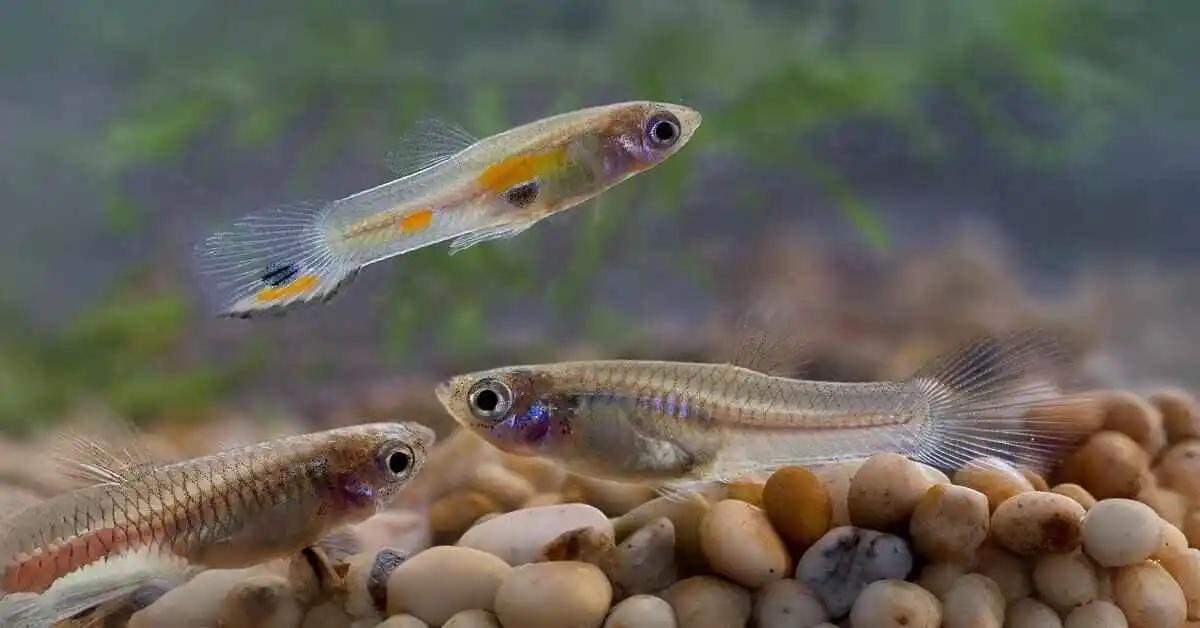
Complete Guide on Guppy Fish Care
Complete guide on Guppy fish care, as it is one of the most popular freshwater aquarium fish in the world, and for good reason. They are colorful, active, easy to breed, and generally hardy enough for beginners. At the same time, “easy to keep” does not mean “no care needed.” Many new fish keepers buy guppies, thinking they can simply place them in a small bowl with water and fish food, but healthy guppy care requires the right tank setup, clean water, proper feeding, and regular observation.
This complete guide on guppy fish care will walk you through everything you need to know, from choosing healthy guppies and setting up the perfect tank to feeding, breeding, disease prevention, and long-term care. Whether you are a beginner or already keep fish and want to improve guppy care, this article will help you create a stable and beautiful home for your guppies.
Complete Guide on Guppy Fish Care – What Are Guppy Fish?
Guppies are small tropical freshwater fish belonging to the Poeciliidae family, also known as Poecilia reticulata. Native to parts of South America and the Caribbean, guppies have been bred for generations in captivity, which is why you can find them in many colors, tail shapes, and patterns.
Male guppies are usually more colorful and smaller, while female guppies are larger and less flashy. Their peaceful nature, fast breeding, and low maintenance make them a favorite in community aquariums.
Guppies are often called “millionfish” because they reproduce so quickly. This is one reason they are fascinating to keep, but it also means aquarium owners must manage breeding carefully to avoid overcrowding.
Complete Guide on Guppy Fish Care – Why Guppies Are Great for Beginners
Guppies are often recommended for beginner aquarists because they adapt well to aquarium life and are not too difficult to care for when basic needs are met. Here are some reasons they are so popular for beginners:
They are colorful and attractive, making any aquarium look lively.
They are small and do not require a huge tank to start.
Also, they are peaceful and can live with many other non-aggressive fish.
They are relatively hardy compared to some delicate aquarium species.
Also, they breed easily, which makes them interesting to observe.
They are active swimmers and bring a lot of movement to the tank.
Even though guppies are beginner-friendly, they still need clean, warm, and stable water conditions. Many health problems happen when fish keepers neglect regular tank maintenance or overfeed.
Complete Guide on Guppy Fish Care – Choosing Healthy Guppy Fish
Before you bring guppies home, it is important to choose healthy fish. A good start makes long-term care much easier.
When selecting guppies, look for fish that are active, alert, and swimming normally. Also, healthy guppies should have bright colors, smooth fins, and clear eyes. A healthy guppy should not have white spots, torn fins, clamped fins, or signs of bloating.
Avoid guppies that stay at the bottom, breathe heavily at the surface, or constantly hide. These may be signs of stress or illness for guppies.
If possible, observe the tank in the store. A clean tank with fish that are swimming well is a much better sign than a dirty tank with inactive fish. It is also wise to buy from a trusted seller who keeps fish in healthy conditions.
Complete Guide on Guppy Fish Care – Ideal Tank Size for Guppies
One of the biggest mistakes beginners make is keeping guppies in a very small container or bowl. Guppies may be small, but they need enough space to swim and enough water volume to maintain a stable environment.
A 10-gallon tank is a much better starting point than a bowl or tiny aquarium. For a small group of guppies, this size allows better water quality and reduces stress. If you plan to keep more guppies or add other peaceful fish, a larger tank is even better.
A good rule is to avoid overcrowding. Too many fish in a small tank leads to poor water quality, oxygen problems, and more disease. Guppies do best when they have enough room to move around comfortably.
Complete Guide on Guppy Fish Care – Setting Up the Perfect Guppy Tank
A properly set-up aquarium makes a huge difference in guppy health. The tank should feel safe, stable, and natural.
Choose the right substrate
You can use gravel or fine aquarium sand as the bottom layer. Both work well. Gravel is easier to clean for many beginners, while sand can look more natural. Choose a substrate that is easy for you to maintain.
Add live or artificial plants
Plants are very helpful in a guppy tank. Live plants such as Java moss, hornwort, water sprite, anubias, and vallisneria can improve water quality and give guppies hiding places. Guppy fry especially benefit from plants because they can hide from adults that may try to eat them.
If you are a beginner, artificial plants can also work, but live plants usually provide better long-term benefits.
Provide hiding spots
Guppies feel safer when they have places to hide, and decorations, driftwood, caves, and plants help reduce stress. A less stressed fish is usually a healthier fish.
Use a lid or cover
Guppies are not known for being extreme jumpers like some fish, but they can still jump out of the tank, especially if startled. A lid helps keep them safe and also reduces water evaporation.
Complete Guide on Guppy Fish Care – Water Conditions for Guppy Fish
Water quality is the most important part of guppy care. A beautiful tank with poor water quality will still make your fish sick. Guppies may tolerate a range of conditions, but they do best when water parameters stay stable.
Temperature
Guppies are tropical fish and need warm water for best growth. The ideal temperature is generally around 24°C to 28°C, or about 75°F to 82°F. Sudden temperature changes can stress them, so a heater is very useful in most homes.
pH level
Guppies prefer slightly alkaline water. A pH around 7.0 to 8.0 is usually suitable. They can adapt to mild variation, but extreme swings should be avoided.
Water hardness
Guppies often do well in moderately hard water. Soft water is not ideal unless it is adjusted carefully. Stable hardness helps with their health, breeding, and overall comfort.
Ammonia, nitrite, and nitrate
These are key water quality indicators. Ammonia and nitrite should always be at zero in a healthy aquarium. Nitrate should be kept as low as possible through regular water changes and good filtration.
Many new aquarists do not realize that fish waste and leftover food create invisible toxins in the tank. Even if the water looks clear, it may still be unsafe. This is why testing water is very important.
Complete Guide on Guppy Fish Care – Filtration and Oxygenation
A good filter is one of the most important tools for guppy care. It helps remove waste, supports beneficial bacteria, and keeps water cleaner for longer.
A gentle filter is usually best for guppies. Strong currents can tire them out because guppies are small and do not enjoy being pushed around by heavy flow. Sponge filters or adjustable hang-on-back filters are often good choices.
Guppies also need oxygen-rich water. A filter that slightly moves the water surface helps with gas exchange. If your tank seems low on oxygen, you can use an air stone or increase surface agitation.
Complete Guide on Guppy Fish Care – Lighting for Guppies
Guppies do not need special lighting, but they do need a regular day-and-night cycle. A consistent light schedule helps them stay active and healthy.
About 8 to 10 hours of light per day is usually enough for a home aquarium. Too much light can encourage algae growth, while too little light can make the tank dull and affect plant health if you keep live plants.
Avoid leaving the tank light on all night. Fish need darkness to rest, just like humans do.
Complete Guide on Guppy Fish Care – Acclimating New Guppies
When you bring new guppies home, do not place them directly into the tank without first adjusting the tank. Sudden changes in temperature and water chemistry can shock them.
The safest method is to float the bag in the aquarium for about 15 to 20 minutes so the temperature slowly equalizes. Then, slowly add small amounts of tank water to the bag, and after that, gently transfer the fish into the aquarium.
Do not pour store water into your tank if possible. It may contain waste or harmful substances.
Complete Guide on Guppy Fish Care – Feeding Guppy Fish Properly
Feeding is one of the most enjoyable parts of fish care, but it is also one of the most commonly mismanaged. Also, guppies have small stomachs and can easily be overfed.
What guppies eat
Guppies are omnivores. They eat a mix of plant-based and protein-rich food. In captivity, they can eat:
High-quality flake food made for tropical fish
Micro pellets
They also eat frozen or live foods such as brine shrimp, daphnia, and bloodworms, which can feed them occasionally
Blanch vegetables in small amounts, such as peas or spinach
Special fry food for baby guppies
A varied diet helps keep guppies colorful, active, and healthy.
How often to feed
It is better to feed small amounts once or twice a day than to overfeed. Give only what they can finish in a short time. If food keeps sinking uneaten, you are likely giving too much.
Overfeeding causes water pollution, bloating, constipation, and poor tank conditions. If you are unsure, feed less rather than more.
Signs of overfeeding
Cloudy water
Leftover food on the bottom
Fish with bloated stomachs
Increased waste in the tank
Algae growth due to excess nutrients
Healthy feeding habits are a huge part of guppy success.
Complete Guide on Guppy Fish Care – Guppy Behavior and What It Means
Understanding guppy behavior helps you notice problems early.
Healthy guppies are usually active, curious, and social. They swim around the tank, explore decorations, and respond when food is given.
If guppies are hiding all the time, staying at the surface, rubbing against objects, or clamping their fins close to the body, something may be wrong. These behaviors often indicate stress, poor water quality, parasites, or illness.
Male guppies often display to females and may chase them. This is natural, but if there are too many males in one tank, the females may become overly stressed.
Complete Guide on Guppy Fish Care – Male and Female Guppies
It is helpful to know the difference between male and female guppies, especially if you want to breed them or avoid uncontrolled reproduction.
Male guppies are usually smaller, brighter, and have larger, more decorative tails. Also, they have a modified anal fin called a gonopodium, which is used for reproduction.
Female guppies are usually larger, rounder, and less colorful. Their body shape often becomes even fuller when they are pregnant.
If you keep both males and females together, breeding will happen quickly. In fact, one female can give birth multiple times after a single mating because she can store sperm. This is one reason guppy populations grow so fast.
Complete Guide on Guppy Fish Care – Breeding Guppies
Breeding guppies is easy, making them appealing to beginners. However, it also requires planning to avoid ending up with too many fish.
Signs of a pregnant female
A pregnant female guppy becomes rounder and may develop a darker gravid spot near the rear of her body. As the pregnancy progresses, her belly becomes more swollen and box-shaped.
Before birth
A pregnant guppy should be kept in a calm, clean environment. Also, stress can harm both the mother and the fry. Provide plenty of hiding spaces or use a breeding setup if needed.
Guppy fry
Baby guppies, called fry, are very small and vulnerable. Adult guppies may eat them if they are not protected. Dense plants or a separate breeding tank can help.
Fry needs tiny food many times a day. They can eat crushed flakes, fry powder, baby brine shrimp, and other finely prepared foods.
Should you use a breeding box?
Breeding boxes can be useful in some cases, but they can also stress the mother if left in place for too long. In many situations, a separate breeding tank or heavily planted tank is safer and more natural.
Tank Mates for Guppies
Guppies are peaceful fish and can live with many other calm species. Good tank mates are fish that are not aggressive, not too large, and not likely to nip fins.
Good tank mates may include:
Other guppies
Platies
Mollies
Corydoras catfish
Small peaceful tetras
Otocinclus catfish
Snails and some shrimp, depending on tank conditions
Avoid aggressive fish that may attack guppies or nip their fins. Large fish may also see guppies as food. Fin-nippers and very territorial species are generally poor choices.
Common Guppy Diseases
Even hardy fish can get sick if water quality is poor, stress is high, or they are exposed to infected fish. Knowing common guppy diseases helps you act quickly.
Ich
Ich is a common parasite that looks like tiny white dots on the body and fins, which is a common guppy disease. Fish may scratch against objects or become sluggish. It often appears when fish are stressed or when water conditions are poor.
Fin rot
Fin rot causes fins to become frayed, torn, or discolored. It is often linked to poor water quality or bacterial infection.
Swim bladder issues
If a guppy has trouble swimming properly, floats strangely, or sinks awkwardly, it may have a swim bladder problem. Overfeeding and constipation are common causes.
Fungal infections
Fungus may appear as cotton-like patches on the body or fins. It often develops when the fish is already weakened or injured.
Dropsy
Dropsy is serious and usually shows as a swollen body with scales sticking out. It often indicates internal problems and should be taken seriously immediately.
Preventing Disease
Prevention is always easier than treatment. The best way to keep guppies healthy is to create a stable environment.
Keep the tank clean
Do regular water changes
Avoid overcrowding
Do not overfeed
Quarantine new fish before adding them to the main tank
Do not mix sick fish with healthy fish
Maintain good water temperature and filtration
Even simple habits can dramatically improve fish health.
Water Changes and Tank Cleaning
Regular maintenance is essential. Guppy tanks should not be neglected just because the fish are small.
Partial water changes are better than full tank changes. Replacing some of the water each week helps remove waste while maintaining environmental stability. A common routine is to change about 20% to 30% of the water weekly, depending on stocking and filtration.
When cleaning, use an aquarium-safe siphon or gravel vacuum to remove debris from the bottom. Clean the filter media carefully in tank water, not tap water, to prevent beneficial bacteria from being destroyed.
Never use soap or harsh chemicals inside the aquarium.
How to Make Guppies Live Longer
Guppies may not live forever, but proper care can greatly improve their lifespan and quality of life. Many short lifespans result from poor breeding, poor water conditions, or stress.
To help guppies live longer:
Keep them in a properly sized tank
Maintain stable warm water
Feed a balanced diet
Avoid overcrowding
Choose healthy fish from the start
Keep the tank clean
Watch for illness early
Reduce stress from aggressive tank mates
A healthy guppy is an active, colorful, and responsive fish.
Seasonal and Home Environment Care
Since guppies are tropical fish, room temperature matters. In cold weather, an aquarium heater becomes especially important. Sudden drops in temperature can weaken the immune system and make guppies more vulnerable to disease.
Place the tank away from direct sunlight, air conditioners, and drafty windows. Sudden changes in temperature or excessive sunlight can cause algal growth and stress.
A stable home environment helps keep the aquarium balanced.
Common Mistakes to Avoid
Many guppy problems come from a few repeated mistakes. Here are some of the most common mistakes to avoid for guppies:
Keeping guppies in bowls or very tiny tanks
Not using a filter
Not cycling the tank before adding fish
Adding too many fish too quickly
Overfeeding
Ignoring water changes
Keeping aggressive tank mates
Not quarantining new fish
Buying unhealthy or weak fish from poor sources
Avoiding these mistakes will save time, money, and fish lives.
Guppy Care for Beginners: Simple Routine
If you are just starting out, here is a simple care routine to follow.
Every day, check that the fish are swimming normally, eating properly, and not showing signs of stress. Also feed small amounts once or twice daily.
Every few days, observe water clarity and make sure the filter is running properly.
Also, every week, do a partial water change and clean up debris from the substrate.
Every month, inspect equipment, trim plants if needed, and test water parameters if you have testing kits.
This routine is simple, but it creates a strong foundation for long-term guppy health.
Why Guppies Are Worth Keeping
Guppies are not just pretty fish. They teach beginners how to care for living creatures, understand water quality, and build a healthy aquarium environment. Watching guppies interact, breed, and grow is rewarding and relaxing.
They also bring color and movement to a room, making them among the most enjoyable freshwater fish for home aquariums. Once you learn the basics, guppy keeping becomes a fun and satisfying hobby.
Final Thoughts
Caring for guppy fish is not difficult, but it does require attention, patience, and consistency. Guppies thrive when kept in a clean tank with stable, warm water, proper filtration, balanced feeding, and peaceful tank mates. They are hardy, colorful, and lively, but they still depend entirely on the care you provide.
If you set up the right aquarium from the beginning and maintain it regularly, your guppies can remain healthy and beautiful for a long time. Whether you are keeping guppies for their bright colors, their active behavior, or their fascinating breeding habits, good care will always reward you with a thriving aquarium.
A well-cared-for guppy tank is one of the most beautiful and beginner-friendly additions to any home.