Money Plant Care Complete Guide
Money plant care complete guide, as money plant is one of the most popular indoor plants for homes, offices, balconies, and gardens. People love it because it looks beautiful, grows quickly, and is considered very easy to care for. Whether you are a beginner or already keep indoor plants, the money plant can be a great choice because it adapts well to various environments and requires little attention.
This complete guide will help you understand how to grow, care for, water, prune, propagate, and protect a money plant from common problems. If you want a healthy, lush, green money plant that keeps growing beautifully year-round, this article will walk you through everything step by step.
Money Plant Care Complete Guide – What Is a Money Plant?
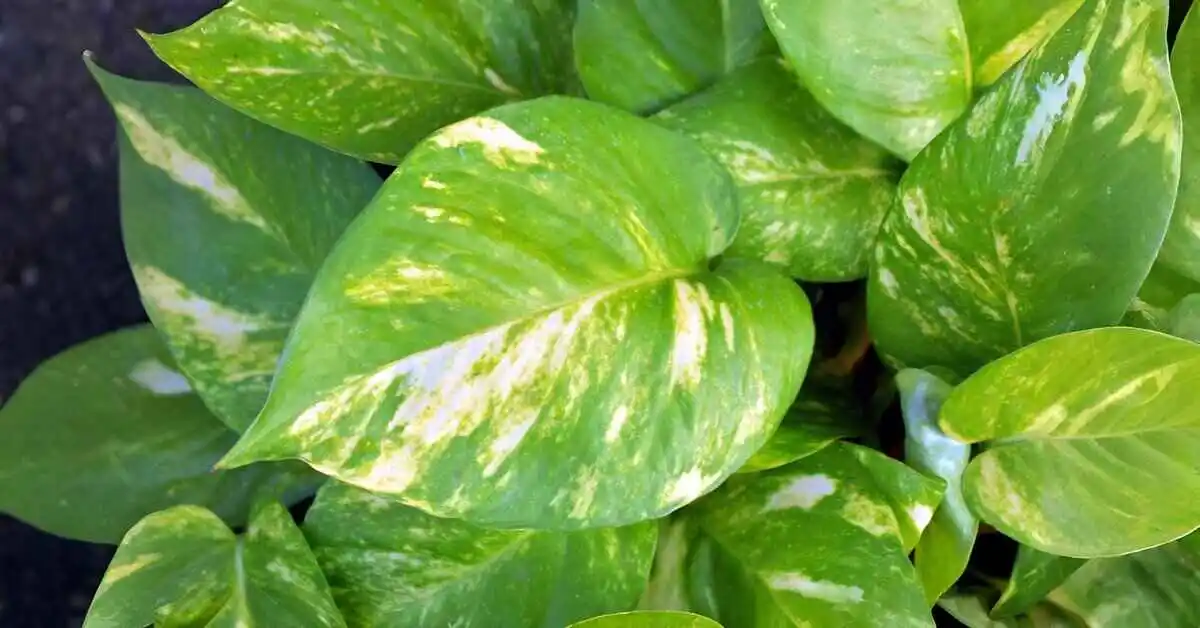
Money plant is a common name for several plants, but in home gardening, it usually refers to Epipremnum aureum, also known as pothos, devil’s ivy, or hunter’s robe. It is a trailing vine with heart-shaped leaves that can be grown in hanging baskets, pots, glass jars, or trained to climb on a support.
The plant is famous for growing easily in both water and soil. It can survive in low light, needs only moderate watering, and can grow indoors without much trouble. Because of this, many people keep it in bedrooms, living rooms, kitchens, offices, and on balconies.
Money Plant Care Complete Guide – Why People Love Money Plant
The money plant is loved for many reasons. First, it is a low-maintenance plant that is ideal for beginners. Second, its leaves and vines add a fresh, decorative look to any space. Third, many people believe it brings good luck, prosperity, and positive energy into the home. Even if you do not believe in those traditional beliefs, there is no doubt that it improves the beauty and freshness of a room.
It also helps create a calming atmosphere. Green plants can make a room feel alive and peaceful. A money plant growing in a pot, hanging basket, or water container can instantly improve your home’s appearance.
Money Plant Care Complete Guide – Ideal Growing Conditions for Money Plant
The money plant is highly adaptable, but it grows best when you provide the right basic conditions.
It prefers bright, indirect light rather than harsh direct sun. It grows well in room temperatures, usually between 18°C and 30°C. Also, it likes moderate humidity but can still survive in normal indoor air. It can grow in both soil and water, though soil usually yields stronger growth over the long term.
If you want a money plant to thrive, the main thing is balance. Also, too much sun can burn the leaves. Too little light can make the plant weak and leggy. Also, too much water can rot the roots. Also, too little water can dry out the plant. Once you understand this balance, caring for a money plant becomes very easy.
Money Plant Care Complete Guide – Best Light for Money Plant
Light is one of the most important factors in money plant care, as many people mistakenly place the plant in full sun. Also, they think more sunlight means faster growth. In reality, too much direct sunlight can damage the leaves, causing them to turn yellow, dry out, or pale.
The best place for a money plant is near a bright window where it gets indirect sunlight. A little morning sun is usually fine, but harsh afternoon sun should be avoided. If the plant is kept indoors, a spot near an east-facing or north-facing window works well. Also, if you keep it on a balcony, place it in partial shade.
If the light is too low, the plant may survive, but growth slows. The leaves may become smaller, and the vines may stretch out with long gaps between leaves. This is a sign that the plant needs more light.
A good rule is this: if you can read a book comfortably in that spot without direct sun hitting the plant, it is often a good location for a money plant.
Money Plant Care Complete Guide – Watering Money Plant the Right Way
Watering is where many people go wrong. Also, the money plant does not need constant watering. In fact, overwatering is one of the biggest reasons money plants die.
If the plant is in soil, water only when the top inch or two of the soil feels dry. Insert your finger into the soil to check. If it feels moist, wait. If it feels dry, water thoroughly until excess water drains out from the bottom.
Also, if the plant is in water, change the water regularly so it does not become dirty or smelly. Clean water helps prevent root rot and supports healthy growth.
In hot weather, the plant may need slightly more frequent watering. In cooler weather, it needs less. The size of the pot, the type of soil, the amount of sunlight, and the climate in your area all affect watering needs.
A money plant that is overwatered often shows yellow leaves, soft stems, and drooping growth. An underwatered money plant may show dry leaves, curled edges, and slow growth. Observing the plant carefully is more useful than following a strict schedule.
Money Plant Care Complete Guide – Choosing the Right Pot
The pot you choose matters a lot. A money plant should be planted in a container with drainage holes if it is growing in soil. Drainage is very important because it prevents water from collecting at the bottom and damaging the roots.
For a young plant, a medium-sized pot is enough. As the plant grows, you can repot it into a larger container. Also, if the pot is too large, the soil may stay wet for too long. If the pot is too small, the roots may become crowded.
Plastic pots, ceramic pots, clay pots, and hanging baskets can all work well. Clay pots dry out faster, which can be useful if you tend to overwater. Plastic pots retain moisture longer, which may be helpful in very hot weather. Hanging baskets are excellent if you want the vines to trail down beautifully.
Money Plant Care Complete Guide – Best Soil for Money Plant
Money plant grows best in light, well-draining soil. The soil should hold some moisture, but should not stay soggy. A heavy soil that retains too much water can lead to root rot.
A good potting mix can include garden soil, compost, coco peat, and a small amount of sand or perlite for drainage. The exact mix can vary, but the goal is to create soil that is airy, loose, and rich in organic matter.
If you are growing a money plant in a pot, avoid using plain, clay-heavy soil on its own. It can become compact and hold too much water. Good soil structure helps the roots breathe and grow properly.
If the plant is grown in water, soil is not needed, but the water must be clean and changed regularly.
Growing Money Plant in Water
One reason the money plant is so popular is that it can grow in water for a long time. Many people keep cuttings in glass bottles, jars, or decorative containers. This looks attractive and is easy to manage.
To grow a money plant in water, take a healthy cutting with at least one node. Place the node in water, keeping the leaves above the surface. The roots will begin to form after some time. Once the roots are established, the plant can continue living in water.
However, water-grown plants may not grow as strongly as soil-grown plants over the long term. They can survive well, but they may need regular water changes and occasional nutrient supplementation. If you want a decorative indoor display, water culture is a good choice. If you want faster and stronger growth, soil is often better.
How to Plant a Money Plant in Soil for Best Growth
Planting a money plant in soil is very simple.
First, choose a healthy cutting or a young rooted plant. Prepare a pot with drainage holes. Fill it with well-draining potting mix. Make a small hole in the center, place the cutting or plant into it, and gently press the soil around the base. Water lightly after planting.
Do not bury the stem too deeply. The nodes should be placed correctly in the soil, but the plant should not be crushed or packed too tightly.
After planting, place the pot in bright indirect light and allow it to adjust. Avoid heavy watering for the first few days. Also, keep the soil slightly moist but never soggy.
Fertilizing Money Plant
Money plant does not require heavy feeding, but occasional fertilizer can help it grow better, especially if it is kept in a pot.
You can feed it with a balanced liquid fertilizer diluted to a mild strength once every few weeks during the growing season. Organic compost, vermicompost, or liquid seaweed can also be helpful. If you prefer natural care, a small amount of compost added to the topsoil from time to time can improve growth.
Do not over-fertilize, as too much fertilizer can burn the roots and damage the plant. If the leaves start turning brown at the edges after feeding, you may have used too much.
In winter or during slow growth periods, fertilizer is usually not needed.
Pruning and Trimming Money Plant
Pruning helps the money plant grow fuller and healthier. If you let it grow without trimming, it may become long and thin with fewer leaves. Pruning encourages branching and makes the plant look more lush.
Use clean scissors or pruning shears to cut long vines just above a node, as this encourages new growth from that point. You can trim the plant whenever it becomes too long, untidy, or weak.
Pruning also gives you cuttings for propagation. This means one plant can help you grow many more.
Remove yellow, dead, or damaged leaves regularly. This keeps the plant neat and helps it focus energy on healthy growth.
How to Propagate Money Plant
Money plant is very easy to propagate, which is one of the reasons it is so loved. Propagation is the process of making a new plant from an existing one.
The easiest way is through stem cuttings. Take a healthy vine and cut a section containing at least one node. A node is the small bump on the stem where roots and new leaves can grow. Remove the lower leaves so the node can be placed in water or soil.
If placing in water, put the cutting in a glass jar with clean water. Also, keep it in a bright place with indirect light. Roots will begin to develop after some time. Once the roots are long enough, you can transplant it into soil or keep it in water.
If planting directly in soil, insert the cutting into moist potting mix and keep it in indirect light for best growth. Make sure the soil stays lightly moist until roots establish.
Propagation is best done in warm weather when the plant is actively growing.
How to Make Money Plant Bushy
Many people want a money plant that looks full and bushy instead of long and bare. The secret is pruning and multiple cuttings.
When you trim the long vines, new side shoots often grow. You can also plant several cuttings together in the same pot. This makes the plant appear thicker and fuller.
Giving the plant enough light also helps. Low light makes it stretch and grow leggy. Moderate bright light encourages healthier leaf growth. Regular feeding during the growing season can also support a fuller appearance.
If you keep only one vine in a pot, the plant may look sparse. If you plant several rooted cuttings together, the result is usually much more attractive.
Support for Climbing Money Plant
A money plant can trail beautifully, but it can also climb if you give it support. You can place a moss stick, a coir pole, a bamboo stick, or a small trellis in the pot. The plant’s aerial roots will attach to the support and climb upward.
Climbing money plant often develops larger and more mature leaves. If you want a vertical green feature in your home, this is a great option.
Tie the vines gently if needed, but do not force them. The plant will naturally grow toward the support over time.
Indoor Money Plant Care
Indoor money plant care is very easy when you get the basics right. Place the plant near a bright window but away from harsh direct sunlight. Water only when needed. Also, dust the leaves occasionally so they can absorb light properly. Keep the plant away from very cold drafts or direct airflow from an air conditioner.
Indoor plants often grow more slowly than outdoor plants, but they are easier to manage. If the room is low-light, rotate the pot periodically to help the plant grow evenly. Keep an eye on pests, especially if the air is dry.
An indoor money plant can survive for years with simple care and regular attention.
Outdoor Money Plant Care
A money plant can also grow outdoors, but it should not be left in full, harsh sunlight all day. A shaded balcony, patio, or garden corner with filtered light is ideal.
Outdoor plants may grow faster because they get more air and natural light, but they may also dry out faster. That means watering needs to be checked more often.
If you live in a place with very hot summers, protect the plant from direct afternoon sun. If winters are cold in your area, bring the plant indoors or protect it from frost. Money plant is not frost-tolerant.
Seasonal Care for Money Plant
Money plant care varies slightly with the seasons.
In summer, the plant may need more frequent watering because the soil dries faster. However, avoid overwatering. In very hot weather, protect the plant from direct sun.
In the rainy season, be extra careful about waterlogging. High humidity and excess moisture can increase the risk of root rot and fungal problems.
In winter, growth slows down. Watering should be reduced. The plant may need less fertilizer. Keep it away from cold winds and frost.
In spring and early monsoon, the money plant usually grows fastest. This is often the best time to prune, repot, and propagate.
Common Problems in Money Plant Care
Even though the money plant is easy to grow, it can still face some problems. The good news is that most of them are simple to fix once you identify the cause.
Yellow leaves are often caused by overwatering, poor drainage, or too much direct sun. Brown leaf tips can come from dry air, irregular watering, or salt buildup from excess fertilizer. Small leaves and long gaps between them usually mean the plant is not getting enough light. Wilting can result from both underwatering and root damage. Soft stems often indicate rot caused by excess water.
By looking at the whole plant and checking the soil, you can usually understand what is wrong.
Root Rot in Money Plant
Root rot is one of the most serious problems for money plants. It happens when roots stay too wet for too long and begin to decay. This is often caused by overwatering or poor drainage.
Symptoms include yellowing leaves, drooping stems, black or mushy roots, and a bad smell from the soil. If caught early, the plant can sometimes be saved.
Remove the plant from the pot, trim away rotten roots, and repot it in fresh, well-draining soil. Reduce watering and make sure the container has proper drainage holes. Prevention is always better than a cure, so avoid heavy watering in the first place.
Pests That Affect Money Plant
Money plant can sometimes be affected by pests such as mealybugs, spider mites, aphids, and scale insects. These pests may hide on stems, the undersides of leaves, or new growth.
Signs of pest infestation include sticky leaves, white cotton-like patches, tiny webs, curled leaves, or slow growth. If you notice pests, isolate the plant from others and clean it carefully.
You can wipe the leaves with a soft cloth and mild soap and water, then rinse gently. Neem oil spray is also commonly used in home gardening. Regular observation helps you catch problems early before they spread.
Why Money Plant Leaves Turn Yellow
Yellowing leaves are very common and usually do not mean the plant is dying. Often, the reason is too much water. Also, if the soil is always wet, the roots cannot breathe properly. Yellow leaves can also result from excessive direct sunlight, leaf age, or nutrient deficiency.
Check the soil first. If it is wet, reduce watering. If it is dry and the plant is getting harsh sun, move it to a better spot. Remove old yellow leaves so the plant can focus on healthy growth.
Why Money Plant Leaves Turn Brown
Brown leaf tips or edges can happen for several reasons. The plant may be underwatered, exposed to very dry air, or receiving too much fertilizer. Sometimes tap water with too many salts can also cause browning over time.
If the browning is minor, trim the damaged area. Then improve watering habits, use cleaner water, and reduce fertilizer. Stable care usually solves the issue.
How Fast Does Money Plant Grow?
The money plant is considered a fast-growing plant, especially under good conditions. Growth speed depends on light, water, soil, temperature, and fertilizer. In warm weather with bright indirect light and healthy roots, it can produce long vines fairly quickly.
Indoor plants may grow more slowly than outdoor plants, but even then, the growth can be impressive over time. If the plant is healthy, you will notice new leaves, longer vines, and stronger roots during active seasons.
Best Place to Keep a Money Plant at Home
Many people place a money plant in the living room, on the balcony, in the kitchen, or near a window. It can also be kept in the bedroom if you like indoor greenery. The main thing is to choose a place with enough indirect light.
If you are keeping it for decorative purposes, a hanging basket or shelf can create a beautiful trailing effect. If you want a fresh, positive feel in the room, place it where it is visible and healthy.
Avoid dark corners with no light. Also, avoid direct heat sources, such as near ovens, stoves, or heaters.
Can Money Plant Grow in Low Light?
Yes, the money plant can survive in low light better than many other plants. However, survival and healthy growth are not the same thing. In low light, the plant usually survives but grows slowly and may become leggy.
If you do keep it in low light, move it to brighter indirect light occasionally or rotate it to balance growth. The plant will stay healthier when it receives enough filtered light.
Benefits of Growing Money Plant
Money plant adds natural beauty to the home and creates a calming atmosphere. It is also one of the easiest indoor plants for beginners. Because it grows well in pots and water, it suits many different homes and styles.
Many people also enjoy the emotional comfort of caring for a living plant. Watching new leaves appear and vines grow can be very satisfying. The plant helps make a space feel fresh, green, and lively.
Money Plant Care Tips for Beginners
If you are new to plants, the money plant is one of the easiest plants to start with, as the most important care tips are simple: do not overwater, provide indirect light, use well-draining soil, and prune as needed.
Check the soil before watering. Keep the plant in a bright but protected spot. Remove damaged leaves. Clean the leaves sometimes. Repot only when necessary. These small habits make a big difference in driving growth.
Start with one healthy plant and learn its pattern. Once you understand how it behaves in your home, caring for it becomes very easy.
Repotting Money Plant
As the plant grows, the roots may fill the pot. When that happens, it may need to be repotted into a slightly larger container. Signs include roots emerging from the drainage holes, water draining too quickly, or slowed growth despite the plant looking healthy.
Choose a pot only slightly larger than the current one for best growth. Carefully remove the plant, loosen the roots if needed, place it in fresh soil, and water lightly. Avoid repotting too often unless necessary, because the money plant generally likes to settle in its space.
How to Keep Leaves Shiny and Clean
Dust can collect on money plant leaves, especially indoors. Dirty leaves block light and make the plant look dull. Wipe the leaves gently with a soft, damp cloth every few weeks for best growth.
Avoid using strong leaf shine products. Simple cleaning is enough. Healthy leaves naturally look glossy when the plant is happy and well cared for.
Money Plant Care in Water vs Soil
Both water and soil can work well, but each has its own advantages.
Water-grown money plant is easy to care for, decorative, and clean-looking, making it great for desks, shelves, and indoor displays. However, it may need more attention to keep the water fresh.
Soil-grown money plant usually grows stronger and more vigorously over time. It may need slightly more care, but it often develops better long-term health.
Your choice depends on your goal. If you want beauty and simplicity, water culture is lovely. If you want robust growth, soil is usually better.
Final Thoughts
The money plant is one of the most rewarding plants to grow because it is beautiful, flexible, and easy to care for. You do not need to be an expert gardener to keep it healthy. With the right light, proper watering, good soil, and occasional pruning, a money plant can thrive for a long time.
The secret to money plant care is not complicated. Give it bright indirect light, avoid overwatering, use a well-draining pot, and trim it when needed. Watch the plant regularly and respond to its needs. Once you get the basics right, the plant will do the rest.
Whether you grow it in water or soil, in a hanging basket or a climbing pot, the money plant can become a lovely green companion in your home. It is easy to manage, attractive, and perfect for beginners who want to enjoy indoor gardening.