Complete Guide on How to Care for White Astilbe Plant
The white astilbe plant is one of the most beautiful shade-loving perennials you can grow in a garden. Known for its soft, feathery plumes of white flowers and elegant fern-like foliage, it brings brightness and texture to places where many other flowering plants struggle. Whether planted beside a shady walkway, under trees, around a pond, or in a mixed perennial border, white astilbe adds a graceful and refreshing look to the landscape.
This plant is often chosen by gardeners who want colour in low-light areas without relying on full-sun flowers. Its blooms appear delicate, but the plant itself is sturdy when grown in the right conditions. White astilbe is also valued for being relatively low-maintenance once established, which makes it a favourite for beginner gardeners and experienced plant lovers alike.
Caring for white astilbe is not difficult, but it does require understanding its preferences. It likes moisture, rich soil, partial shade, and a consistent environment. When those needs are met, white astilbe can thrive for many years and return every season with fuller growth and more impressive flowers.
In this complete guide, you will learn everything you need to know about white astilbe plant care, including planting, watering, soil needs, sunlight, fertilising, pruning, propagation, seasonal care, pest control, and troubleshooting common problems. By the end, you will have a clear understanding of how to keep this elegant perennial healthy and beautiful.
White Astilbe Plant – What Is White Astilbe?
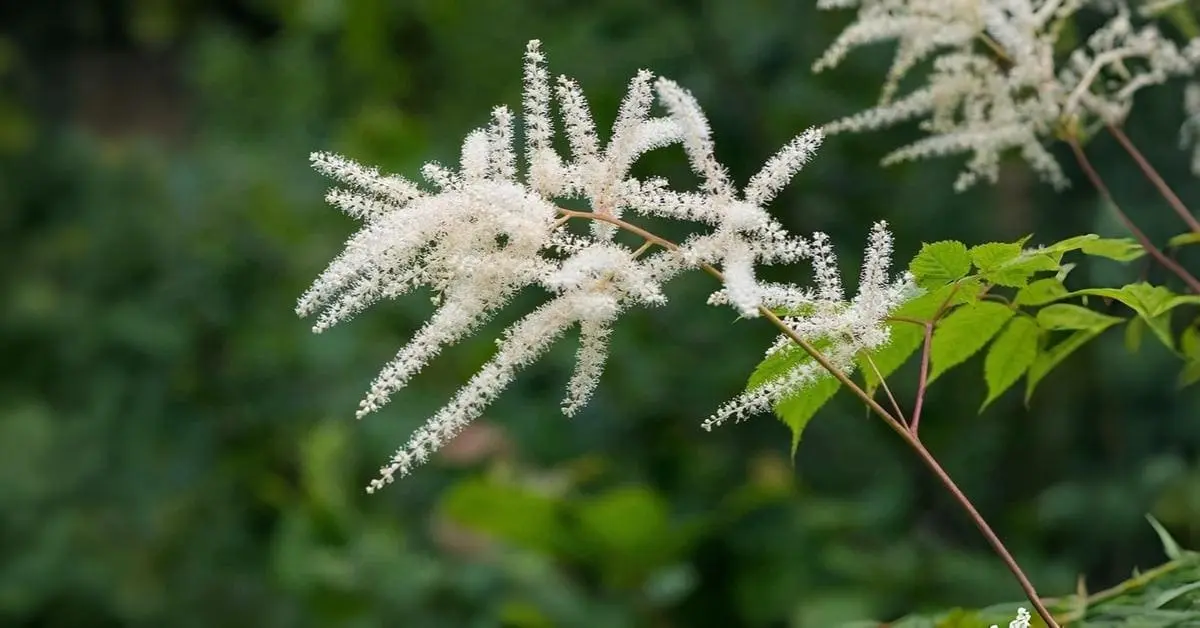
White astilbe is a flowering perennial plant in the Astilbe genus. It is often called false spirea, though it is not a true spirea plant. It is admired for its plume-like blooms that rise above mounded, deeply divided foliage. The flowers can range from pure white to creamy white, and they often appear in dense, airy clusters that create a soft, cloud-like effect in the garden.
Astilbe varieties differ in size, bloom time, and shade of flower colour, but white astilbe is especially prized for the brightness it brings to shady spaces. The flowers usually bloom in early to midsummer, depending on the variety and climate. Even after flowering, the foliage remains attractive and adds interest to the garden.
White astilbe is a perennial, meaning it comes back year after year. It is hardy in many temperate climates and is commonly used in woodland gardens, shaded borders, cottage gardens, and moist landscape areas. Because it prefers cooler roots and consistent soil moisture, it is often planted where other sun-loving flowers would not perform well.
White Astilbe Plant – Why Grow White Astilbe?
There are many reasons gardeners love white astilbe. First, its flowers are visually striking. White blooms can make shady corners look brighter and more refined. Second, it offers texture. The foliage is finely cut and looks almost fern-like, while the bloom spikes add height and movement.
White astilbe is also a good companion plant for hostas, ferns, heucheras, hydrangeas, and other shade-friendly perennials. It can help create layered planting designs with varied foliage shapes and bloom forms. In addition, it attracts pollinators such as bees and butterflies, making it a useful plant for a wildlife-friendly garden.
Another advantage is its long lifespan. Once established in the right spot, white astilbe can keep returning for many seasons. It is not usually considered high-maintenance, but it rewards consistent care with better blooms and healthier growth.
Best Growing Conditions for White Astilbe
White astilbe grows best when its basic needs are met from the start. Also, the most important factors are shade, moisture, rich soil, and protection from harsh afternoon sun. These conditions help the plant stay strong and avoid stress.
Light Requirements
White astilbe prefers partial shade to full shade, depending on the climate. In cooler climates, it may tolerate more morning sun, but in hot regions, too much direct sunlight can scorch the foliage and dry out the soil too quickly.
The ideal location is one that receives filtered light or morning sun with afternoon shade. Under deciduous trees is often a perfect spot because the plant enjoys spring sunlight before the trees fully leaf out, then appreciates shade later in the season. If planted in deep shade, astilbe will still survive, but flowering may be reduced. A little sunlight is usually needed for the best bloom production.
Too much sun can cause the leaves to brown along the edges, and the plant may wilt even if watered regularly. On the other hand, too little light can lead to weak flowering and leggy growth. Also, finding the right balance is one of the keys to success.
Soil Requirements
White astilbe prefers rich, humus-rich, well-draining soil that stays evenly moist. It grows best in soil that contains plenty of organic matter, such as compost or well-rotted leaf mould. This helps the roots access nutrients while also holding moisture without becoming waterlogged.
Also, the soil should be slightly acidic to neutral for the best growth. Astilbe generally adapts to a range of garden soils, but it performs best when the pH is not too extreme. Heavy clay soil can work if it is improved with organic matter and drains well enough to prevent soggy roots. Sandy soil may need compost or mulch added to help retain moisture.
Also, good soil structure is important because astilbe does not like to dry out completely. At the same time, it also dislikes standing water around the roots. Also, the goal is moist but airy soil.
Water Requirements
Also, White astilbe needs consistent moisture, especially during active growth and flowering. It is not a drought-tolerant plant. If the soil dries out too much, the plant can wilt quickly, and its blooms may become smaller or fade sooner.
Also, newly planted astilbe should be watered regularly to help the roots establish. Mature plants still need deep, steady watering, especially during hot weather or dry periods. A good rule is to keep the soil evenly moist but not saturated.
Also, the best method is deep watering at the base of the plant. Avoid shallow, frequent sprinkles because they encourage roots to remain near the surface, making the plant more vulnerable to heat and drought. Also, mulching around the base is very helpful because it slows moisture loss and keeps the root zone cooler.
How to Plant White Astilbe
Planting astilbe correctly gives it the best chance to flourish for years. The right timing, soil preparation, and planting depth all matter.
When to Plant
The best time to plant white astilbe is in spring or early fall. Spring planting gives the roots a full growing season to settle in before winter. Fall planting can also work well in mild climates because the soil is still warm, allowing the plant to establish roots before dormancy.
Avoid planting during intense summer heat unless you can provide excellent watering and shade. Transplant stress is harder on astilbe during hot, dry weather.
Choosing the Right Location
Select a spot with partial shade, rich soil, and good moisture retention. A location near a stream, pond, or shady border is often ideal. Under light tree cover can work too, as long as the tree roots are not competing too aggressively for water and nutrients.
Make sure the area has enough room for the plant’s mature size. Some astilbe varieties stay compact, while others can grow fairly large and produce tall flower plumes.
How to Plant
Before planting, loosen the soil and mix in compost or other organic matter. Dig a hole wide enough to spread the roots comfortably and deep enough so that the crown of the plant sits at the same level as in the container.
Place the plant in the hole, backfill with soil, and press gently to remove air pockets. Water thoroughly after planting. Add a layer of mulch around the base, but keep the mulch a little away from the crown to prevent rot.
Also, the first few weeks after planting are important. Keep the soil consistently moist so the roots can settle in. Once the plant is established, it will become more resilient, but it will still need regular moisture.
White Astilbe Care Through the Seasons
White astilbe has different care needs throughout the year. Understanding its seasonal rhythm makes maintenance easier.
Spring Care
Spring is when astilbe begins its active growth. New shoots emerge from the crown, and the plant quickly fills out with fresh foliage. This is a great time to clean away old mulch, remove dead stems left from winter, and apply compost around the base.
Spring is also a good time to divide overcrowded clumps if needed. You can inspect the plant for winter damage and make sure the soil is staying evenly moist as temperatures rise.
A light application of balanced fertiliser or compost in spring can support strong growth and help prepare the plant for flowering.
Summer Care
Summer is the peak season for astilbe, especially when the flowers are blooming. This is also when watering matters most. Hot weather can stress the plant, so check the soil frequently.
If the leaves start to droop during the day, it may mean the plant needs more water or a cooler location. Astilbe in full bloom will look best when the soil remains consistently moist.
Deadheading is optional. Many gardeners leave the dried flower plumes on the plant because they add texture and interest even after the plant has bloomed. However, if you prefer a tidier look, you can trim off spent flowers.
Fall Care
In the fall, white astilbe begins to slow down. The flowers fade, and the plant starts storing energy in the roots for the next season. This is an excellent time to refresh mulch and remove damaged or spent foliage if it looks untidy.
Some gardeners leave the foliage in place until late fall or early winter to allow the plant to continue photosynthesising. Others prefer to trim it back after frost. Either approach can work, depending on your garden style and climate.
If you are in a region with cold winters, a protective layer of mulch can help shield the roots from temperature extremes.
Winter Care
White astilbe is generally hardy, but winter care is still important, especially in colder regions or in places with repeated freeze-thaw cycles. After the ground cools, a layer of mulch around the plant can protect the root zone.
Do not let the soil become completely dry before winter. A well-watered plant going into winter is more likely to survive stress-free. In late winter or very early spring, remove any excessive mulch so the new shoots can emerge easily.
Fertilising White Astilbe
Astilbe does not need heavy feeding, but it does benefit from nutrient-rich soil. The best approach is moderate and steady rather than excessive.
A spring application of compost or a balanced slow-release fertiliser is usually enough. Organic matter helps improve both soil fertility and structure, which is especially useful for moisture-loving plants like astilbe.
Too much fertiliser can lead to lush leaf growth with fewer flowers. It can also make the plant more prone to stress if the soil becomes overly rich or salty. A gentle feeding routine works better than frequent, strong fertilising.
If the plant seems weak, has pale leaves, or flowers poorly despite proper light and watering, a soil test can help identify nutrient deficiencies. In most home gardens, however, compost and proper mulching will be sufficient.
Mulching Around White Astilbe
Mulch is one of the best care tools for white astilbe. A layer of organic mulch helps conserve moisture, suppress weeds, keep the roots cool, and slowly improve the soil as it breaks down.
Use materials such as shredded bark, leaf mulch, compost, or pine needles. Apply about two to three inches around the base, but do not pile it directly against the crown. Keeping the centre slightly open prevents rot and pest problems.
Mulching is especially helpful in hot summers or dry areas where moisture loss happens quickly. It also reduces competition from weeds, which can steal water and nutrients from the plant.
Pruning and Deadheading White Astilbe
White astilbe does not require heavy pruning. Most of its care involves light cleanup and seasonal maintenance.
You can remove faded flower spikes to encourage a neater appearance. This is not required for plant health, but it can keep the garden looking fresh. Some gardeners prefer to keep the spent plumes because they add visual interest as they dry.
In late fall or early spring, cut back dead foliage if needed. If the leaves have turned brown or mushy after frost, removing them helps prevent disease and gives new growth room to emerge.
Avoid cutting the plant back too early in the season while it is still actively growing. The foliage helps feed the roots and supports next year’s blooms.
Dividing White Astilbe
Astilbe plants benefit from division every few years, especially when clumps become crowded or when flowering starts to decline. Division rejuvenates the plant, gives you more specimens, and helps maintain vigour.
The best time to divide astilbe is in early spring or early fall when temperatures are cooler, and the plant is not under bloom stress. Dig up the clump carefully and separate it into smaller sections, making sure each division has healthy roots and at least one growth point.
Replant the divisions in prepared soil and water them well. Keep them moist while they settle in. Dividing is a useful way to maintain strong flowering and prevent the centre of the clump from becoming woody or tired.
Propagating White Astilbe
Also, the most common way to propagate astilbe is by division. Also, seed propagation is possible but slower and less predictable. Division gives more reliable results because the new plants will be clones of the parent plant.
When dividing, use a clean spade or knife to separate the roots. Each section should be large enough to survive on its own. Replant immediately, and do not let the roots dry out during the process.
You can also grow astilbe from nursery transplants, which is the simplest method for most gardeners. Also, starting with healthy potted plants saves time and gives faster results.
Common Problems With White Astilbe
Although astilbe is fairly easy to grow, it can face a few common issues. Most problems are related to water, light, or soil conditions.
Wilting
Also, wilting is one of the most common issues. White astilbe wilts quickly when it becomes too dry or too hot. This does not always mean the plant is dying, but it does mean it needs immediate attention.
Check the soil first. If it is dry, water deeply and add mulch to help retain moisture. If the plant is in too much sun, consider moving it or providing afternoon shade. In very hot weather, some temporary wilting may occur even if the plant is otherwise healthy.
Brown Leaf Edges
Brown edges on the leaves usually mean the plant is stressed by heat, dry soil, or too much direct sun. It may also be a sign of fertiliser burn if too much feed was applied.
To fix this, improve watering, increase mulch, and make sure the plant is not exposed to harsh sunlight. Avoid over-fertilising, and use compost instead of strong chemical feeding if possible.
Poor Blooming
If white astilbe grows foliage but does not bloom well, several factors may be involved. Too much shade, not enough moisture, poor soil fertility, or overcrowding can all reduce flowering.
Try moving the plant to a brighter spot with filtered sun if possible. Improve the soil with compost and keep it evenly moist. If the plant is crowded, division may restore vigour and improve bloom production.
Crown Rot
Crown rot can occur if the crown is buried too deeply or if the plant sits in soggy soil. Also, Astilbe likes moisture, but not stagnant water around the crown.
Ensure good drainage and avoid piling mulch directly on the crown. If the area stays wet for long periods, consider raising the bed or improving soil structure with organic matter.
Pests
Astilbe is not heavily troubled by pests, but occasional issues may appear. Slugs and snails can nibble on young foliage, especially in damp conditions. Aphids may also appear occasionally, though they are usually not severe.
Hand-picking slugs, using barriers, and maintaining clean garden conditions can help. Aphids can often be washed off with a gentle spray of water or managed with insecticidal soap if necessary.
Best Companion Plants for White Astilbe
White astilbe looks beautiful when paired with other shade-loving plants. Good companions include hostas, ferns, heucheras, brunnera, pulmonaria, hydrangeas, hellebores, and Japanese forest grass.
These plants share similar moisture and shade needs, which makes maintenance easier. They also offer contrast in leaf shape, colour, and height. For example, hostas provide broad leaves that contrast nicely with astilbe’s feathery texture. Ferns create a woodland feel, while heucheras add colourful foliage near the front of the bed.
Because white astilbe flowers are light in colour, they work especially well alongside plants with darker green, silver, or burgundy leaves. The contrast helps the white blooms stand out even more.
Growing White Astilbe in Containers
White astilbe can be grown in containers, provided the pot is large enough, and the soil stays moist. Container growing is useful for patios, balconies, and small shaded spaces.
Choose a pot with drainage holes and a high-quality potting mix that holds moisture well. Adding compost can improve fertility. Container plants dry out faster than those in the ground, so watering may need to be more frequent, especially during warm weather.
Place the container in partial shade and avoid letting it sit in full afternoon sun. Use mulch on the surface to help conserve moisture. Feed lightly during the growing season and divide the plant when it becomes overcrowded.
White Astilbe in Landscape Design
White astilbe is not only a plant to care for and maintain; it is also a valuable design element. Its soft flowers and graceful form make it useful in many landscape settings.
It works well near water features, along shaded borders, in woodland gardens, and in places where you want a calming, elegant look. The white flowers can brighten darker spaces without becoming overwhelming. They also create a sense of movement because the plumes catch light and sway gently in the breeze.
White astilbe can be planted in groups for a stronger visual impact. Mass plantings create a beautiful cloud-like effect when in bloom. Mixed plantings with different astilbe colours can also be attractive, though white varieties are often the most versatile for design.
How Long Does White Astilbe Bloom?
White astilbe typically blooms in early to midsummer, although the exact timing depends on the variety and climate. Some plants bloom earlier, while others flower later in the season.
The blooms usually last for several weeks. Once the flowers fade, the seed heads may remain attractive for some time. Proper watering, good light, and healthy soil can help extend bloom quality.
Different varieties bloom for different lengths of time, and planting several types together can create a longer overall flowering season. This allows you to enjoy astilbe’s beauty for a larger part of the year.
Tips for Getting the Best Blooms
If you want white astilbe to flower as beautifully as possible, focus on its basic needs. Keep it in partial shade, feed it lightly, and keep the soil moist. Rich soil and regular watering are especially important during bud formation and blooming.
Avoid transplanting or dividing the plant right before flowering unless necessary, because that can reduce bloom strength for the season. Also, do not let the plant compete too heavily with nearby tree roots or drought-prone plants.
Healthy, undisturbed astilbe in the right site often becomes more impressive year after year. Once established, it can produce larger clumps and more blooms with relatively little effort.
Is White Astilbe Hard to Grow?
White astilbe is not hard to grow, but it has specific preferences. Gardeners sometimes struggle with it because they treat it like a dry-soil perennial or place it in full sun. When planted in the right conditions, however, it is quite manageable.
Its main requirements are steady moisture, good soil, and light shade. If you can provide these three things, the plant usually does very well. That is why it is often considered a rewarding shade perennial rather than a difficult one.
Why White Astilbe Is Worth Growing
White astilbe brings elegance, texture, and brightness to the garden. It softens shady areas and pairs beautifully with a wide range of companion plants. It is also a plant that improves with age when properly cared for.
Because it returns each year, you can build a lasting garden feature around it. Its flowers are delicate but showy, and its foliage adds beauty even when the plant is not in bloom. For gardeners who want a reliable perennial with a graceful look, white astilbe is an excellent choice.
Final Thoughts
Caring for white astilbe is about creating the right environment and maintaining consistency. Give it partial shade, rich soil, regular moisture, and a layer of mulch, and it will reward you with beautiful feathery white blooms and lush foliage. Divide it when needed, protect it from drought, and avoid harsh sun, and it can become one of the most dependable and attractive plants in your garden.
White astilbe is a reminder that some of the most charming garden plants are also among the most graceful. With a little attention and the right growing conditions, this perennial can brighten shady spots for many years and become a true highlight in your landscape.