The Ultimate Guide on How to Care for a Banana Plant
The ultimate guide on how to care for a banana plant, as banana plants are among the most dramatic and rewarding plants you can grow. With their large, tropical-looking leaves, fast growth, and potential to produce edible fruit, they bring a bold presence to gardens, patios, balconies, and even indoor spaces. Many people think banana plants are difficult to care for, but the truth is that they are fairly straightforward once you understand what they need. Their main requirements are warmth, plenty of water, rich soil, strong light, and regular feeding. Give them those basics, and they often grow at an impressive pace.
This complete guide covers everything you need to know about banana plant care, from choosing the right variety and planting it correctly to watering, fertilising, pruning, pest control, winter protection, and fruit production. Whether you are growing a banana plant indoors in a container or outdoors in the ground, the principles are similar. Banana plants are heavy feeders, fast growers, and moisture lovers, and their care revolves around supporting that vigorous growth.
The Ultimate Guide on How to Care for a Banana Plant – Understanding the Banana Plant
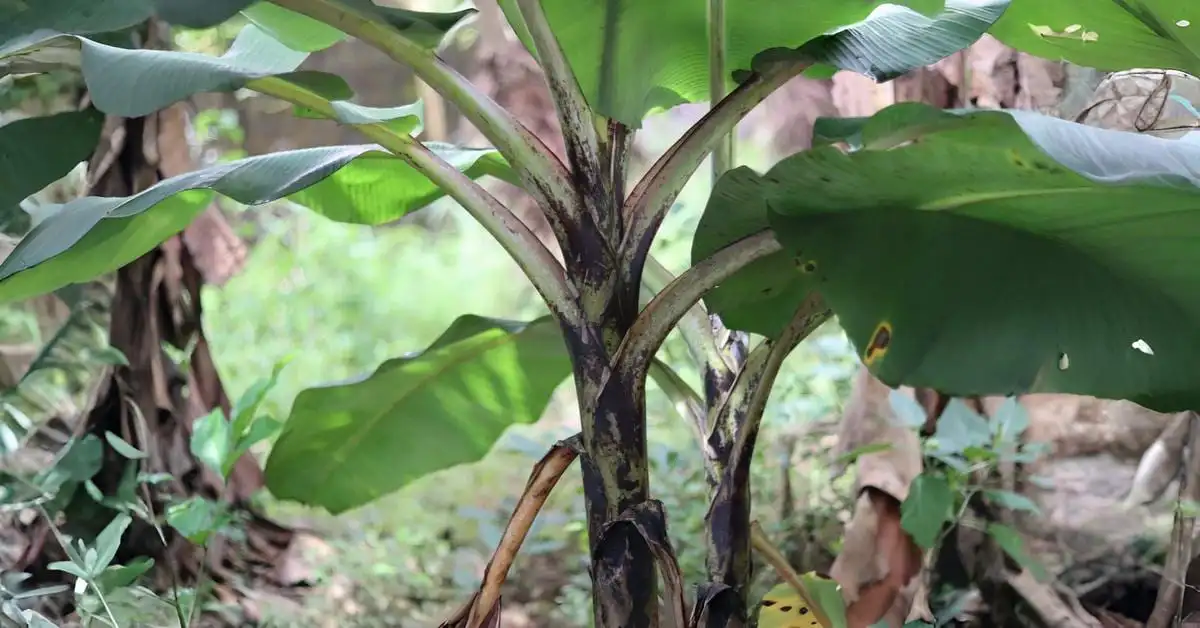
Before learning how to care for a banana plant, it helps to understand what a banana plant actually is. Despite being called a tree, a banana plant is technically a giant herbaceous perennial, not a true tree. The “trunk” you see is not wood. It is a pseudostem made from tightly wrapped leaf bases. New growth rises from an underground rhizome or corm, which produces pups, also called suckers, around the main plant.
This growth habit explains many of the plant’s care needs. Because banana plants are soft-stemmed and fast-growing, they require:
- Consistent moisture
- Rich soil with organic matter
- Protection from wind
- Warm temperatures
- Strong light
- Regular feeding
Banana plants can be grown for ornamental foliage or for edible fruit, depending on the species or cultivar. Some common types include:
- Musa acuminata – a major parent of many edible bananas
- Musa balbisiana – often used in hybrid banana breeding
- Musa basjoo – a hardy ornamental banana often grown for foliage
- Dwarf Cavendish – a common compact edible banana for containers and warm climates
- Red banana varieties – grown for their colourful fruit and ornamental appeal
The exact care can vary slightly depending on whether the plant is a fruiting banana or an ornamental type, but the basics remain the same.
The Ultimate Guide on How to Care for a Banana Plant – Choosing the Right Banana Plant
The first step in banana plant care is choosing a variety suited to your space and climate. Some banana plants can grow very tall, while others stay manageable in pots. Some are grown for fruit, while others are grown mainly for their dramatic leaves.
The Ultimate Guide on How to Care for a Banana Plant – For Outdoor Gardens
If you live in a warm, tropical, or subtropical climate, you can grow many banana varieties in the ground. These plants can become very large and may produce fruit if conditions are right.
The Ultimate Guide on How to Care for a Banana Plant – For Containers
If you want to grow a banana plant on a balcony, terrace, patio, or indoors near a bright window, choose a dwarf variety. Dwarf banana plants are easier to manage and more suitable for pots.
The Ultimate Guide on How to Care for a Banana Plant – For Cold Climates
If winters are cold, look for hardy ornamental bananas such as Musa basjoo. While the top growth may die back in frost, the underground rhizome can survive in milder cold conditions with proper protection.
When selecting a plant, inspect it for signs of health. Look for:
- Firm pseudostem
- Bright green leaves
- No major yellowing or spotting
- No visible pests on the underside of leaves
- Healthy roots if repotted or bare-root
Starting with a healthy plant makes care much easier later.
The Ultimate Guide on How to Care for a Banana Plant – Ideal Climate and Temperature
Banana plants are tropical by nature. They grow best in warm weather and suffer when temperatures drop too low.
The Ultimate Guide on How to Care for a Banana Plant – Best Temperature Range
Banana plants generally prefer temperatures between 75°F and 95°F (about 24°C to 35°C) during active growth. They can tolerate slightly cooler conditions, but growth slows down.
The Ultimate Guide on How to Care for a Banana Plant – Cold Sensitivity
Most banana plants are very sensitive to frost. Temperatures near freezing can damage the leaves, pseudostem, and growing point. Some hardy varieties tolerate cold better than edible banana varieties, but even they may die back above ground in winter.
The Ultimate Guide on How to Care for a Banana Plant – Humidity
Banana plants love humidity. Higher humidity helps their large leaves stay lush and reduces edge browning. In dry climates or heated indoor rooms, the leaves may dry out more quickly.
The Ultimate Guide on How to Care for a Banana Plant – Wind Protection
Banana leaves are large and tear easily in strong winds. While some leaf splitting is natural, persistent wind can stress the plant, slow growth, and make it look ragged. A sheltered position is best.
In short, banana plants do best in a warm, humid, sheltered environment with stable conditions.
The Ultimate Guide on How to Care for a Banana Plant – Light Requirements
Light is one of the most important parts of banana plant care. Banana plants grow best in full sun to very bright light. Also, the exact amount depends on whether the plant is outdoors or indoors.
Outdoor Banana Plants
Also, most outdoor banana plants need at least 6 to 8 hours of direct sunlight each day. In very hot climates, a little afternoon shade can help prevent scorching, but too much shade reduces growth and fruiting.
Indoor Banana Plants
Indoors, banana plants need the brightest location available. A south-facing or west-facing window is often best. Also, if natural light is limited, grow lights can help.
Signs of Insufficient Light
A banana plant that is not getting enough light may show:
- Slow growth
- Long, weak stems
- Small leaves
- Pale color
- Poor overall vigour
Light is especially important for fruiting varieties. Without enough light, a banana plant may survive but not thrive.
The Ultimate Guide on How to Care for a Banana Plant – Soil Requirements
Also, banana plants grow quickly and need rich, moisture-retentive, well-draining soil. Also, their roots do not like sitting in water, but they do not like drying out for too long either.
Best Soil Type
The ideal soil is:
- Loose and fertile
- Rich in organic matter
- Slightly acidic to neutral
- Well-draining but moisture-holding
Also, a good potting mix for banana plants might include:
- Quality potting soil
- Compost
- Coco peat or peat moss
- Perlite or coarse sand for drainage
For in-ground planting, mix compost or well-rotted manure into the soil before planting. This improves fertility and structure.
Soil pH
Banana plants generally prefer a pH around 5.5 to 7.0. Slightly acidic soil is often ideal.
Drainage Matters
While banana plants need plenty of water, stagnant water can rot the roots. This is especially important in containers. Always use pots with drainage holes and avoid heavy, compacted soil.
The Ultimate Guide on How to Care for a Banana Plant – How to Plant a Banana Plant
Also, proper planting gives your banana plant a strong start.
Planting Outdoors
Also, choose a sunny, sheltered spot with rich soil. Also, dig a hole that is wider than the root ball and about as deep as the root mass. Mix compost into the backfill soil. Also, place the plant so the top of the root ball sits at ground level, then fill in and water thoroughly.
Planting in a Pot
Choose a large container with drainage holes. Banana plants grow quickly and need room for root expansion. Also, a pot that is too small can limit growth and make watering difficult.
Use a fertile potting mix and plant the banana at the same depth it was previously growing. Also, water the soil well after planting to settle it.
Spacing
Banana plants need space. If planting more than one in the ground, leave enough room for each plant to spread. Also, crowded plants compete for nutrients and light.
The Ultimate Guide on How to Care for a Banana Plant – Watering Banana Plants
Watering is one of the most important parts of banana plant care. Also, banana plants are moisture-loving and drink heavily, especially during hot weather.
How Much Water Do They Need?
Banana plants like consistently moist soil, but not waterlogged soil. Water deeply whenever the top inch or two of soil begins to dry out.
Outdoor Plants
Also, outdoor plants may need frequent watering in summer, especially in sandy or fast-draining soil, for the best growth. During hot, dry weather, daily watering may be necessary for young or container-grown plants.
Container Plants
Potted banana plants dry out faster than plants in the ground. Check the soil regularly. Water until excess drains from the bottom, but do not let the pot sit in standing water.
Indoor Plants
Indoor banana plants often need less frequent but still consistent watering. Because indoor air is usually drier, you may need to monitor moisture closely.
Signs of Too Little Water
- Drooping leaves
- Crispy brown edges
- Slow growth
- Curling leaves
Signs of Too Much Water
- Yellowing leaves
- Mushy soil
- Root rot
- Foul smell from the pot
- Wilting even when the soil is wet
A good rule is to keep the soil evenly moist, not soggy and not completely dry.
The Ultimate Guide on How to Care for a Banana Plant – Fertilising Banana Plants
Banana plants are heavy feeders. Also, fast growth and large leaves require lots of nutrients, especially nitrogen, potassium, and magnesium.
Why Feeding Matters
Without enough fertiliser, banana plants often produce small leaves, pale foliage, and weak growth. Fruit-bearing plants may also fail to flower or form good bunches.
Best Fertilizer
Use a balanced fertiliser with a slight emphasis on nitrogen and potassium. A formula such as 10-10-10 or similar can work well, though many growers prefer a fertiliser with somewhat higher potassium for fruiting.
Organic options include:
- Compost
- Well-rotted manure
- Worm castings
- Banana-specific or fruit-tree fertilisers
- Seaweed and fish emulsion, used carefully
Feeding Schedule
During the active growing season, fertilise regularly, often every 2 to 4 weeks for container plants or every 4 to 6 weeks for plants in the ground. Always follow product directions and avoid overfertilizing, which can damage roots.
Nutrient Deficiencies
Common deficiencies include:
- Nitrogen deficiency – pale, weak growth
- Potassium deficiency – yellow or brown leaf edges, poor fruit development
- Magnesium deficiency – yellowing between leaf veins
- Iron deficiency – That is, the yellowing of new leaves with green veins
A complete feeding routine usually prevents most of these issues.
The Ultimate Guide on How to Care for a Banana Plant – Mulching Banana Plants
Mulch is highly beneficial for banana plants grown outdoors. A thick layer of organic mulch helps retain moisture, suppresses weeds, and improves soil quality as it breaks down.
Good Mulch Options
- Shredded leaves
- Straw
- Compost
- Wood chips
- Grass clippings, used lightly and dried first
Keep mulch a little away from the pseudostem to prevent rot. A 2 to 4-inch layer can make a big difference in plant health.
The Ultimate Guide on How to Care for a Banana Plant – Pruning and Maintenance
Banana plants do not require heavy pruning, but they do need regular maintenance to stay healthy and attractive.
Removing Old Leaves
Banana leaves age naturally and dry out. Remove dead or badly damaged leaves with clean pruners. This improves airflow and keeps the plant tidy.
Cutting Back After Fruiting
A banana pseudostem usually flowers and fruits only once. After the fruit bunch is harvested, the stem will slowly die back. Cut it down near ground level so new pups can take over.
Managing Suckers or Pups
Banana plants often produce multiple suckers around the main stem. These are useful for propagation, but too many pups can overcrowd the plant and reduce fruit quality.
You can:
- Leave a few strong pups to replace the mother plant
- Remove weaker pups to direct energy into the main plant
- Transplant healthy suckers to new locations
A common approach is to keep the mother plant, one “follower,” and one small pup, depending on your goals.
The Ultimate Guide on How to Care for a Banana Plant – Supporting the Plant
Banana plants can grow tall and heavy, especially when fruiting. They may need support in windy areas or when carrying a large bunch.
Staking
Use a sturdy stake or support system if the pseudostem seems unstable. This can help prevent the plant from toppling in the wind or under the weight of fruit.
Windbreaks
Plant banana plants near walls, fences, or other sheltered areas to reduce wind damage. This is especially helpful for ornamental banana plants with large leaves.
The Ultimate Guide on How to Care for a Banana Plant – Growing Banana Plants in Pots
Container growing is popular because it allows gardeners in cooler climates to enjoy banana plants without planting them in the ground.
Container Size
Banana plants need large pots. Start with a pot that is roomy enough for root growth and repot as needed. Small pots restrict growth and dry out too quickly.
Best Potting Mix
Use a rich, airy potting mix that drains well but retains moisture. A mix with compost and perlite is often effective.
Water and Feeding in Pots
Because container plants lose moisture and nutrients faster, they need closer attention. You may need to water and fertilise more frequently than you would for in-ground plants.
Repotting
Repot when roots fill the container or when growth slows due to crowding. Banana plants respond well to fresh soil and more space.
Indoor Pot Care
For indoor banana plants, place them in the brightest possible location. Also, rotate the pot occasionally so the plant grows evenly. Keep the leaves dust-free by gently wiping them with a damp cloth.
The Ultimate Guide on How to Care for a Banana Plant – Growing Banana Plants Indoors
Banana plants can be grown indoors, but they do best in very bright conditions. Indoor care is possible, though achieving fruit indoors is uncommon unless conditions are excellent.
Indoor Light
Place the plant near a bright window. Supplemental grow lights can help during darker months.
Indoor Humidity
Indoor air can be dry, especially when heating or air conditioning is running. Higher humidity helps prevent leaf edges from browning. You can raise humidity by:
- Using a humidity tray
- Grouping plants together
- Running a humidifier
- Misting lightly, though this is not a complete solution
Indoor Temperature
Also, keep the plant away from cold drafts and heating vents. Stable warmth is best.
Indoor Challenges
The main challenges are:
- Insufficient light
- Dry air
- Overwatering
- Limited root space
With good care, a banana plant can still be a striking indoor specimen.
The Ultimate Guide on How to Care for a Banana Plant – Propagating Banana Plants
Banana plants are commonly propagated by dividing suckers or pups. This is one of the easiest and most reliable ways to create new plants.
What Are Pups?
Pups are young offshoots that grow from the base of the main plant or from the rhizome. Also, some pups are better for propagation than others.
Best Pup Size
Choose a pup that has some roots and is at least several inches tall with its own leaves. Very tiny offshoots often struggle to survive on their own.
How to Separate a Pup
- Water the plant well beforehand.
- Carefully expose the base of the pup.
- Use a sharp, clean knife or spade to separate it from the mother plant, making sure it has roots attached.
- Replant the pup in rich, moist soil.
- Keep it warm and lightly shaded for a few days while it establishes.
Propagation is a great way to replace an old mother plant or expand your collection.
The Ultimate Guide on How to Care for a Banana Plant – Flowering and Fruiting
One of the most exciting parts of banana plant care is watching the plant flower and develop fruit. Also, this stage requires patience and the right growing conditions.
When Do Banana Plants Flower?
Banana plants usually flower only after they have matured and stored enough energy. Also, the time varies by variety, climate, and growing conditions. Some may flower within a year or two in ideal conditions, while others take longer.
What Happens During Flowering?
A large flower stalk emerges from the centre of the pseudostem. This eventually produces a hanging inflorescence and then banana hands and fingers.
Fruit Development
Also, once fruit begins to form, the plant needs good sunlight, moisture, and nutrients to support the developing bunch. Water stress or nutrient shortages can affect fruit quality.
Harvesting Bananas
Bananas are often harvested when the fruit is full-sized but still green. They continue to ripen after harvest; the exact timing depends on the variety and your climate.
After Fruiting
The main stem that produced the fruit will decline. Cut it back after harvest and allow a strong pup to continue the cycle.
The Ultimate Guide on How to Care for a Banana Plant – Overwintering Banana Plants
In colder regions, winter protection is essential.
For Potted Plants
Bring container banana plants indoors before frost. Also, for optimal growth, reduce watering slightly during winter, as growth slows.
For Outdoor Plants
Cold-hardy bananas may survive outdoors with protection. Methods include:
- Heavy mulch around the base
- Wrapping the pseudostem
- Covering the plant with frost cloth
- Cutting back and protecting the rhizome in severe climates
What to Expect
Some banana plants may die back to the ground in winter but return from the rhizome in spring. This is normal for many ornamental types in colder zones.
The Ultimate Guide on How to Care for a Banana Plant – Common Banana Plant Problems and Solutions
Banana plants are resilient, but they can face a range of problems. Most issues are linked to water, light, nutrition, or pests.
1. Yellow Leaves
Yellowing can result from:
- Overwatering
- Poor drainage
- Nutrient deficiency
- Natural ageing of older leaves
Check the soil first. If it is too wet, improve drainage and reduce watering.
2. Brown Leaf Edges
This often comes from:
- Low humidity
- Underwatering
- Excess fertilizer salts
- Wind damage
Increase moisture consistency and review feeding practices.
3. Slow Growth
Slow growth may be caused by:
- Insufficient light
- Cool temperatures
- Root crowding
- Lack of nutrients
Banana plants are fast growers, so slow growth usually signals a problem.
4. Split Leaves
Banana leaves tear commonly in the wind, and this is not always a sign of poor health. However, severe splitting may indicate exposure to harsh conditions.
5. Drooping
Also, drooping can happen when the plant is thirsty, rootbound, or stressed by heat. It can also occur after transplanting.
6. Root Rot
Root rot is a serious issue caused by excess water and poor drainage. Prevent it by using free-draining soil and avoiding standing water.
The Ultimate Guide on How to Care for a Banana Plant – Common Pests
Banana plants can attract several pests, especially when grown indoors or in stressed conditions.
Aphids
These small insects suck sap and can weaken new growth. They may also leave sticky residue.
Spider Mites
Spider mites are more common in dry indoor conditions. Also, spider mites cause speckled leaves and fine webbing.
Mealybugs
Mealybugs appear as white, cottony insects and often hide in leaf joints or along stems.
Scale Insects
Scale looks like small bumps on stems or leaves, and can be difficult to remove.
Caterpillars and Beetles
Outdoors, larger pests may chew on leaves.
Pest Control Methods
- Inspect plants regularly
- Wash leaves with water
- Remove visible pests manually
- Use insecticidal soap or neem oil carefully
- Keep the plant healthy, since stressed plants are more vulnerable
Also, a clean, vigorous banana plant is less likely to suffer serious pest damage.
The Ultimate Guide on How to Care for a Banana Plant – Common Diseases
Banana plants are susceptible to several diseases, especially in humid environments or where soil and sanitation are poor.
Fungal Leaf Spot
This causes dark spots or patches on leaves. Good airflow and avoiding wet foliage for long periods can help.
Fusarium Wilt
A serious soilborne disease affecting some banana varieties. Also, it can be difficult to control once present.
Bacterial Soft Rot
This may happen in overly wet, poorly drained conditions.
Prevention
- Use clean tools
- Avoid overwatering
- Remove diseased leaves
- Buy healthy plants from reliable sources
- Rotate planting areas if disease has been a problem
Prevention is much easier than treatment.
The Ultimate Guide on How to Care for a Banana Plant – Seasonal Care Tips
Banana plant care changes throughout the year.
Spring
Spring is the time for rapid growth. Increase watering and feeding as temperatures rise. Repot container plants if needed.
Summer
Summer is the peak growing period. Water generously, feed regularly, and watch for wind or heat stress.
Autumn
As temperatures cool, growth may slow. Gradually reduce feeding and prepare outdoor plants for winter protection.
Winter
Indoor plants may need less water and no fertiliser. Also, outdoor plants in cold regions should be protected or cut back, depending on the variety and climate.
The Ultimate Guide on How to Care for a Banana Plant – Caring for Banana Plants in Hot Weather
Hot weather can be excellent for banana growth, but extreme heat can also stress the plant.
What Helps
- More frequent watering
- Mulch to retain moisture
- Afternoon shade in extreme heat
- Wind protection
- Regular nutrient support
Signs of Heat Stress
- Leaf curling
- Wilting even with moist soil
- Sunscald or bleaching on leaves
- Faster drying of potting mix
During heat waves, check the plant daily.
The Ultimate Guide on How to Care for a Banana Plant – Caring for Banana Plants in Cooler Weather
Cool temperatures slow banana growth. They may survive, but they will not thrive if kept too cold for long periods.
What Helps
- Move containers to warmer spots
- Protect outdoor plants from frost
- Reduce watering as growth slows
- Avoid fertilising heavily during dormancy or near-dormancy
Banana plants dislike sudden temperature swings, so stable conditions are best.
The Ultimate Guide on How to Care for a Banana Plant – Banana Plant Care Mistakes to Avoid
Many banana plant problems come from simple care mistakes. Avoid these common errors:
1. Overwatering in Poor Soil
Bananas love moisture, but soggy soil suffocates roots.
2. Using a Tiny Pot
A crowded root system slows growth and makes water management harder.
3. Not Feeding Enough
Banana plants are hungry and need regular fertiliser.
4. Growing in Too Little Light
Low light results in weak, stretched growth.
5. Ignoring Wind
Strong winds damage leaves and can topple tall plants.
6. Forgetting Winter Protection
Cold can quickly damage or kill banana plants.
7. Leaving Too Many Pups
Too much crowding reduces vigour and can limit fruit production.
Avoiding these mistakes makes banana care much easier.
The Ultimate Guide on How to Care for a Banana Plant – Ornamental vs Edible Banana Plant Care
As ornamental and edible bananas share many care needs, there are a few differences.
Ornamental Bananas
These are often grown for their foliage, size, and tropical appearance. Some are more cold-tolerant than edible types. Fruit production may not be the main goal.
Edible Bananas
These require stronger growing conditions, more sunlight, more feeding, and patience. If you want fruit, the plant should be given enough warmth, time, and space.
Similar Care Basics
Both types generally need:
- Rich soil
- Good drainage
- Plenty of water
- Fertilizer
- Strong light
- Wind protection
The Ultimate Guide on How to Care for a Banana Plant – Banana Plant Care Calendar
A simple care calendar can help keep things organised.
Weekly
- Check soil moisture
- Inspect for pests
- Remove obviously dead or damaged leaves
Monthly
- Feed during active growth
- Look for root crowding in containers
- Review overall plant health
Seasonally
- Repot if needed in spring
- Increase watering in summer
- Prepare for the cold in autumn
- Protect from frost in winter
Routine care prevents most problems before they become serious.
The Ultimate Guide on How to Care for a Banana Plant – Frequently Asked Questions
How often should I water a banana plant?
Water whenever the top layer of soil starts to dry out. The exact frequency depends on temperature, pot size, soil type, and season.
Can banana plants grow indoors?
Yes, they can grow indoors if they receive very bright light, enough humidity, and proper watering. Also, a grow light helps if natural light is limited.
Do banana plants need fertiliser?
Yes. They are heavy feeders and usually need regular fertiliser during active growth.
Why are my banana plant leaves turning brown?
Common reasons include underwatering, low humidity, wind stress, excess fertiliser, or natural ageing.
Will a banana plant produce fruit in a pot?
Some dwarf varieties can fruit in large containers if given strong light, warmth, feeding, and enough time.
Do banana plants die after fruiting?
The main stem that fruits will eventually die back, but the plant usually produces new pups that continue the cycle.
The Ultimate Guide on How to Care for a Banana Plant – Final Thoughts
Caring for a banana plant is a rewarding experience because the plant responds quickly when its needs are met. It grows fast, looks impressive, and can transform a plain corner into a lush tropical setting. The secret to success is not complicated: give it warmth, bright light, rich soil, plenty of water, regular feeding, and protection from wind and cold. Keep an eye on pests, remove old leaves, manage pups, maintain good drainage, and your banana plant will reward you with vigorous growth and possibly even fruit.
Banana plants are not only beautiful, but also fascinating. Their rapid growth and dramatic foliage make them among the most satisfying tropical plants to grow. Whether you are planting one in your garden, keeping one on a terrace, or growing one indoors, the right care can keep it healthy for a long time. With patience and consistent attention, you can enjoy the bold, lush look of a banana plant and the excitement of watching it thrive.
The ultimate guide on how to care for a banana plant, as banana plants are among the most dramatic and rewarding plants you can grow.