The Charming Red Bee Balm Plant: A Garden Must-Have
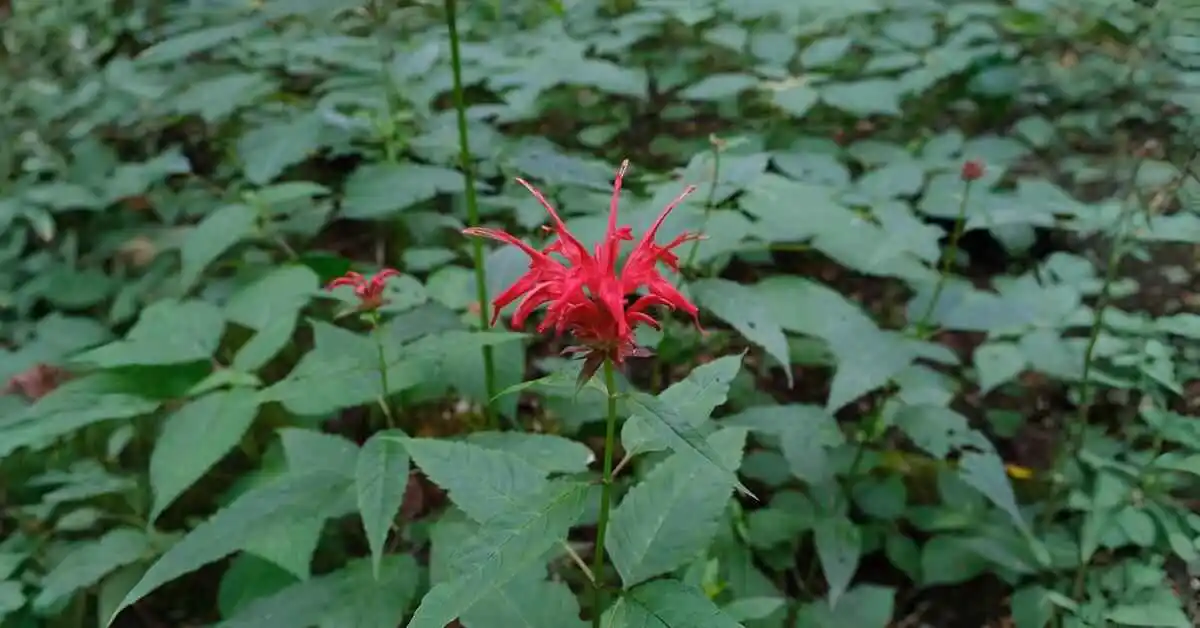
The scientific name of the Red bee balm plant is Monarda didyma. The common names are Bee balm, Oswego tea, and Bergamot. It brings vivid red blooms, fragrant foliage, and steady visits from bees, butterflies, and hummingbirds. It is also a plant that performs best when you give it the right balance. Also, it can be of sun, moisture, airflow, and occasional renewal. In the right spot, red bee balm becomes a strong, colourful perennial. In the wrong spot, it can thin out, mildew, or spread more than expected.
What Red Bee Balm Is
Red bee balm belongs to the mint family, which helps explain its aromatic foliage and spreading habit. The species is native to eastern North America and is hardy in USDA zones 4 to 9. In the garden, it usually grows around 2 to 4 feet tall. Also with bright tubular flowers that appear in midsummer and can continue into late summer depending on climate and care. Those flower heads are especially attractive to pollinators. Their shape and nectar make them a strong food source for long-tongued insects and hummingbirds.
A major reason gardeners love red bee balm is that it adds colour without being fussy about styling. It fits cottage gardens, pollinator beds, border plantings, and informal wildflower-style spaces. It is not a plant that needs constant shaping, but it does need thoughtful maintenance to stay healthy and full. That maintenance is mostly about sun, moisture, spacing, and renewal.
Red Bee Balm Plant – Best Growing Conditions
Red bee balm grows best in full sun with moist, well-drained soil. Extension sources recommend at least six hours of direct sun daily, and several horticultural references note that the plant tolerates partial shade, though flowering is usually reduced and the risk of mildew increases when light is too low. A fertile, moisture-retentive soil that still drains well is ideal.
Also, the soil should stay evenly moist, but never soggy. Also, bee balm can handle a range of well-drained soils, and the USDA plant guide says red bee balm grows best in moist, rich loam with plenty of organic matter and a pH around 6.0 to 7.0. The same guide notes that it can tolerate some drought but performs better with adequate moisture. That means the plant is flexible, but not carefree.
Air circulation matters just as much as soil. Overcrowded plants and shaded sites are much more prone to powdery mildew, one of the most common problems on bee balm. Good spacing and open planting locations help the foliage dry faster after rain or watering, which makes the plant healthier over the long term.
Red Bee Balm Plant – How to Plant Red Bee Balm
The best planting time is usually spring or early fall, with spring being especially useful in colder regions because the plant can settle in before summer heat arrives. Choose a site with morning to full sun and enough room for the clump to expand. Since bee balm spreads by rhizomes, it is smart to think ahead about where the plant will be in two or three years, not just where it is on planting day.
Prepare the planting hole so the root ball sits at the same depth it was growing in the nursery pot. Work in compost only if the soil needs improvement; the main goal is to create a loose, moisture-holding but draining bed. Also, after planting, water deeply so the root zone is settled and hydrated. A mulch layer can help hold moisture, suppress weeds, and reduce watering frequency.
Spacing should not be tight. Iowa State recommends spacing bee balm plants about 2 feet apart to reduce mildew pressure. That may look generous at planting time, but the extra room pays off later because mature plants fill in quickly and can become crowded if jammed together. Crowding is one of the fastest ways to turn a promising bee balm bed into a mildew problem.
Watering Red Bee Balm Properly
Red bee balm likes regular moisture during the growing season. In dry periods, deep watering every 7 to 10 days is often enough for established plants, and the soil should be soaked to a useful depth rather than just lightly sprinkled. The goal is to encourage roots to grow down, not just hover near the surface.
It is better to water thoroughly and less often than to give frequent shallow drinks. This approach supports healthier roots and helps the plant tolerate hot spells more reliably. Dry stress can weaken the plant and worsen powdery mildew, while overly wet soil can cause root problems, especially if drainage is poor.
Mulch helps here, too. A layer of organic mulch around, but not piled against, the crown helps conserve moisture and reduces the need for constant watering. It also keeps the soil cooler during the heat and makes the bed look tidier. Just be careful not to bury the crown too deeply, because bee balm needs air movement at the base as well as moisture in the soil.
Fertilising Without Overdoing It
Bee balm does not need heavy feeding. In fact, too much fertiliser can create lush, soft growth that is more likely to suffer from powdery mildew. Iowa State specifically warns against over-fertilisation and says a light application of an all-purpose fertiliser in early spring is usually enough.
The simplest approach is often the best one: enrich the soil with compost when establishing the bed, then use only modest fertiliser if the plant seems to need it. If your garden soil is already reasonably fertile, you may not need much or any additional feeding at all. The plant’s health is usually improved more by sunlight, spacing, and moisture management than by pushing growth with extra nitrogen.
Pruning and Deadheading
Deadheading is one of the easiest ways to make red bee balm look better and bloom longer. Removing spent flower heads can extend the flowering period and improve the plant’s appearance. Also, NC State notes that deadheading helps minimise self-seeding, which is useful because bee balm can spread both by seed and by underground rhizomes.
You can also pinch or prune stems in late spring or early summer to encourage a bushier shape and slightly delay bloom. That is helpful if the plant starts growing tall and open too quickly. In informal plantings, this can produce a denser, more floriferous clump.
At the end of the season, the best cleanup strategy depends partly on disease history and partly on your garden style. If powdery mildew is a problem, removing infected foliage and debris in the fall helps reduce the source of next year’s infection. Also, if the plants are healthy, many gardeners prefer to wait until spring to cut them back, since some overwintering wildlife uses stems and plant debris. Both approaches can be valid; the deciding factor is disease pressure and how naturalistic you want the bed to remain through winter.
Dividing Red Bee Balm
Division is one of the most important parts of long-term bee balm care. The plants spread quickly through underground stems, and the centres of old clumps often die out after a few years. Iowa State recommends dividing bee balm every 2 to 3 years to control spread and rejuvenate the plant. Illinois Extension similarly notes that dividing every 3 to 4 years helps maintain vigour.
Also, early spring is the best time to divide. Dig the clump just as new growth emerges, split it into sections with a sharp knife or spade, and make sure each section has at least a few shoots and a healthy root system. Also, replant the divisions immediately and water them well. This keeps the bed vigorous and prevents the centre from turning hollow and weak.
If a plant is getting too large, flowering less, or becoming bare in the middle, division is not just a way to multiply it. It is also a reset button. A refreshed clump will often bloom more cleanly and stand more upright than one that has been left untouched for many years.
Common Problems and How to Prevent Them
Also, the biggest disease issue for red bee balm is powdery mildew. It appears as a gray-white coating on the leaves and is more severe on crowded plants, plants in partial shade, and plants under drought stress. This is why bee balm care is really a systems approach: give it sun, spacing, and consistent water, and you reduce disease pressure before it starts.
The best prevention strategy is cultural, not chemical. Space plants properly, avoid excess nitrogen, keep moisture even, and thin or divide plants that become too dense. University of Minnesota Extension also recommends thinning foliage and allowing enough air movement through the canopy to reduce humidity around the plant. Those steps sound simple, but they are the foundation of healthy bee balm.
Also, some cultivars are bred for better mildew resistance. Illinois Extension lists cultivars such as ‘Violet Queen’ and ‘Gardenview Scarlet’ as mildew-resistant options, and the RHS notes that several modern selections show greater resistance than older forms. Choosing one of these can make care easier in humid or rainy climates.
Slugs can also be an issue on some monardas, especially young plants and tender spring growth. Also, they are not usually the biggest threat, but they can damage foliage in damp gardens. Healthy spacing, cleanup of decaying debris, and avoiding constantly wet surface conditions all help reduce slug pressure.
Wildlife Value and Pollinator Benefits
Red bee balm is a standout plant for pollinator gardens. The USDA plant guide notes that it is important for hummingbirds, butterflies, bees, and other pollinating insects, and that its flower structure is especially suited to visitors with long tongues or bills. In practical terms, it is one of the easiest ways to bring movement and life into a flower bed.
Also, the plant makes sense in a broader habitat garden. Flowering perennials help support pollinators by providing nectar and pollen through the season, and native or naturalised flowering plants are a core part of that support system. Bee balm fits naturally into that role because it blooms when many pollinators are active and visible in the landscape.
One important detail in wildlife-friendly gardening is how and when you cut back plants. Some stems and dead plant material can provide overwintering habitat for insects, so leaving a portion of the bed standing until spring may be beneficial in low-disease gardens. Where mildew has been severe, though, sanitation becomes more important. The right choice is the one that fits your pest history and your local gardening goals.
Choosing the Right Spot in the Garden
Red bee balm can spread and get tall. It works best where its size is an advantage rather than a problem. It can be placed in the middle or back of a border, in a pollinator bed, or in a cottage-style planting where its slightly wild form looks intentional. NC State notes that it can be used at the front or back of the border, depending on the cultivar size, and that it is especially useful in sunny native pollinator gardens.
Avoid placing it in a cramped, damp, shaded corner and expecting it to behave like a neat bedding annual. The plant wants room, light, and a bit of freedom to expand. If the bed is likely to be crowded by taller shrubs or aggressive neighbours, bee balm will usually be less attractive and more disease-prone.
It also pairs well with other sun-loving perennials that appreciate similar moisture levels and airflow. That makes garden planning easier because you can group compatible plants together instead of forcing one plant to adapt to conditions it dislikes. A bee balm bed works best when the whole design supports airflow and balanced moisture, not just the bee balm itself.
Growing Red Bee Balm in Different Climates
In cooler regions, red bee balm is often very dependable as long as the soil drains well. Also, if the plant gets enough sun. The USDA hardiness range of 4 to 9 indicates it can handle a fairly wide range of climates. In colder areas, it usually dies back to the ground in winter and returns from the crown and roots in spring.
In hot, humid regions, the plant can still be grown, but mildew pressure may increase. That makes variety choice, spacing, and air movement even more important. Some monarda types and cultivars handle heat and humidity better than others, so local recommendations matter. In these climates, red bee balm should be given the best possible site rather than a marginal one.
In wetter or heavier soils, drainage becomes the deciding factor. Bee balm dislikes waterlogged ground, especially in winter, and can rot if roots sit in saturated soil. If your native soil is dense clay, raised beds or soil improvement may be the difference between a struggling clump and a thriving one.
Propagation and Replanting
Division is the easiest way to propagate red bee balm. And it is usually the most reliable method for maintaining true-to-type plants. Since the plant spreads by rhizomes, a mature clump often gives you several new sections that can be replanted elsewhere or shared with another gardener. The spring division is the simplest because the plant is just starting its growth cycle.
Seed propagation is possible for some Monarda species. But many garden selections are better treated as named cultivars or divisions if you want the same flower colour and habit. For the home gardener, division is usually faster, easier, and more predictable. It also solves the common problem of clump decline while creating new plants.
If you are expanding a planting, replant the divisions promptly and water them well until they are established. New divisions may look small at first, but they typically recover quickly when moved into a sunny, evenly moist location.
Seasonal Care Calendar
In spring, remove winter-damaged stems if needed, divide old clumps, and add a light dose of fertiliser only if the soil is poor or the plant needs a boost. This is also the best time to correct overcrowding and improve spacing. Spring is the period when good care has the biggest effect on the rest of the season.
In summer, keep the soil evenly moist, and deadhead spent flowers. And watch for mildew when the weather turns hot and dry. If the plant starts leaning or opening up too much, a little selective pruning can help it stay fuller. Summer is also when bee balm is at its most visible and useful to pollinators.
In the fall, decide whether to clean up or leave stems standing. If disease is present, remove infected plant debris. If the plant is healthy and you want to support overwintering wildlife, you can leave some stems until spring and cut back later. Either way, do not let the bed become a soggy mess around the crown.
Best Red Bee Balm Care Tips at a Glance
The core formula is simple: sun, moisture, airflow, and renewal. Full sun, rich and well-drained soil, regular watering, light feeding, deadheading, and division every few years will keep the plant attractive and productive. Ignore any one of those pieces for too long, and the plant usually tells you by blooming less. Also getting crowded, or developing mildew.
The healthiest red bee balm plants are not the ones that get pampered the most. They are the ones planted in the right place and then maintained with a steady, practical routine. Once established, bee balm becomes one of the most rewarding perennials you can grow. It gives back with colour, fragrance, and pollinator activity for months at a time.
Conclusion
Red bee balm is easy to enjoy and very manageable when you understand what it wants. Give it at least six hours of sun, moist but well-drained soil, and enough room to breathe. Water it deeply during dry spells, deadhead for longer bloom. Also, divide clumps every few years, and keep an eye out for powdery mildew. Follow those basics, and the plant will reward you with vivid flowers and a steady stream of pollinators.
A well-grown red bee balm patch is one of the easiest ways to make a garden feel alive. It is colourful, fragrant, useful to wildlife, and forgiving enough for most home gardeners once the planting site is right. With a little routine care, it can become one of the most dependable highlights in the perennial border.