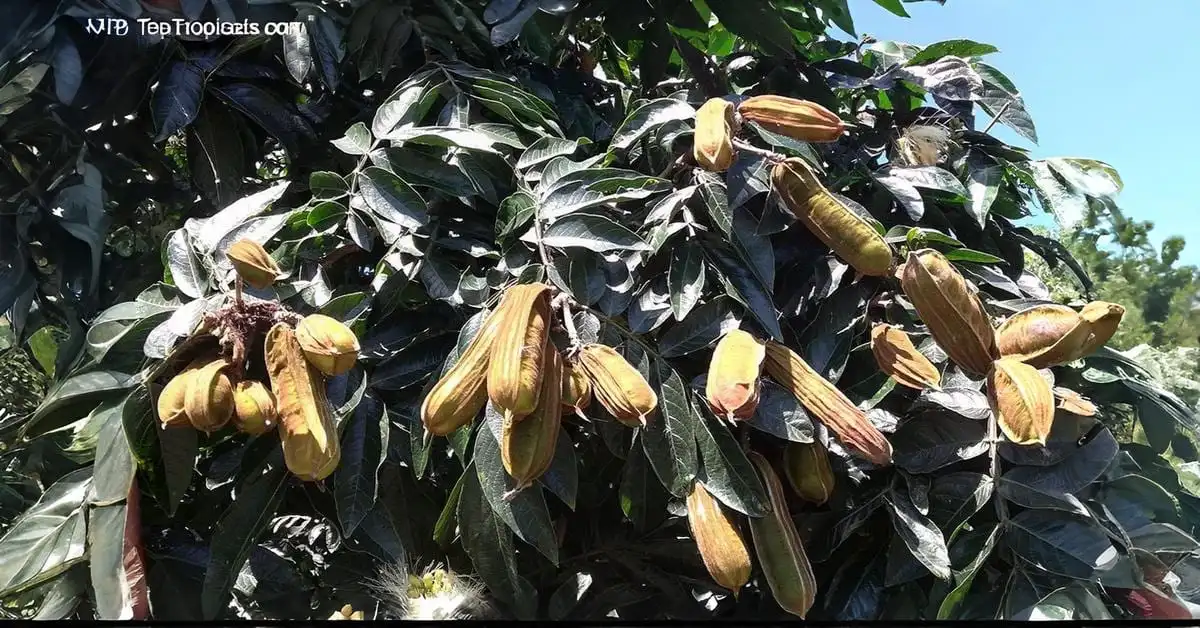
Ice cream bean plant Introduction
The Ice cream bean plant, scientifically known as Inga edulis, is a fast-growing tropical tree loved for its sweet, creamy pulp. It tastes surprisingly like vanilla ice cream. Native to South America, especially the Amazon basin, this plant is now grown in many tropical and subtropical regions worldwide for its edible pods, soil improvement, shade, and ornamental value.
For home gardeners, plant enthusiasts, and agroforestry lovers, the Ice cream bean plant is a rewarding species. It grows quickly, enriches the soil with nitrogen, provides dense shade, and produces unique pods that children and adults alike enjoy. However, because it is a tropical tree, proper care is essential, especially if you are growing it outside its native range or in a pot.
This in-depth guide will walk you through everything you need to know about caring for an Ice cream bean plant, from seed selection and planting to watering, pest control, pruning and harvesting. Whether you are a beginner or an experienced gardener this guide will help you grow a healthy and productive Ice cream bean plant.
Ice cream bean plant – Understanding the Ice cream bean Plant
In a Botanical view, it has the common names Ice cream bean and Ice cream tree, and the scientific name Inga edulis. It is a prominent member of the Fabaceae (Legume) family. This plant has two types: evergreen and semi-evergreen trees, with heights ranging from 10 to 30 meters (height can be controlled with pruning). And about lifespan, it is a long-lived perennial tree.
The ice cream bean belongs to the legume family, which means it can fix nitrogen in the soil through symbiotic bacteria in its roots. This makes it an excellent companion plant in gardens and farms.
There are several reasons why gardeners love this tree:-
- Delicious edible pods with sweet, cottony pulp
- Rapid growth, making it ideal for shade
- Low maintenance once established
- Great for agroforestry and premaculture systems
- Improves soil fertility naturally
Ice cream bean plant – Climate and growing conditions
The ideal climate for ice cream bean plants is warm, humid, and tropical to subtropical. Temperatures range for this plant is from 20-35°C, where the minimum temperature should not go below 5–7°C. Frost tolerance is very low ( young plants are especially sensitive)
If you live in a cooler region, you can still grow the plant in a large container and move it indoors or to a greenhouse during winter.
Sunlight requirements
Ice cream bean plants prefer full sun (6-8 hours daily). It can tolerate partial shade, especially when young, but too much shade can reduce flowering and pod production. Young saplings benefit from light shade during extremely hot afternoons.
Soil requirements
Ice cream plants are adaptable. The best soil type for their growth is slightly acidic to neutral pH (5.5-7.5), rich in organic matter, and well-drained loamy soil. Avoid clay soils that retain water for long, as this can cause root rot. Avoid heavy clay soils that retain water for long periods, as this can cause root rot.
Before planting, loosen the soil to a depth of at least 30-45 cm. Mix in compost, well-rotted manure, or vermicompost, and ensure drainage by adding sand or coco peat if needed. As this plant fixes nitrogen, it does not require heavy fertilisation.
Propagation methods
Growing Ice cream bean from seeds is the most common and reliable method. For seed selection, use only fresh seeds. Seeds lose viability quickly if dried. Extract seeds from fully ripe pods. For germination, remove the pulp and gently wash the seeds. Sow seeds immediately in moist soil. Plant seeds 2-3 cm deep, and keep the soil consistently moist. Germination occurs within 7-21 days.
Propagation from cuttings is less common; semi-hardwood cuttings can be used. Take cuttings from healthy branches and use rooting hormone for better success. Keep in humid conditions until roots develop.
Planting the Ice cream bean
For planting in the ground, dig a hole twice the size of the root ball, then carefully place the sapling. Fill with a soil and compost mixture, then water deeply after planting and mulch around the base to retain moisture.
For planting in pots when space is limited, choose a large pot (minimum 20-30 litres) and ensure it has drainage holes. Use a lightweight, well-draining potting mix. Repot every 1-2 years. Container-grown plants require more frequent watering and pruning.
Watering requirements
For watering young plants, water 2-3 times per week, and keep the soil evenly moist. Also, avoid waterlogging.
For mature trees, water deeply once a week. More frequent watering during dry seasons. Also, reduce watering in cooler months.
Signs of improper watering include yellowing leaves (overwatering) or leaf drop (underwatering).
Fertilisation and Nutrient care
As it is a nitrogen-fixing plant, the Ice cream bean tree does not need heavy fertilisation. It is recommended to feed compost or organic manure 1-2 times per year, and also use potassium-rich organic fertiliser during flowering. Avoid excess nitrogen fertilisers.
Mulching with leaves, straw, or wood chips also helps maintain soil health.
Pruning
It controls tree size and encourages branching. Also, it improves airflow and sunlight penetration. Makes harvesting easier.
The best time to prune is after the fruiting season. Avoid heavy pruning during cold months.
Remove dead or diseased branches. Cut back excessive vertical growth. Also, maintain a manageable height for home gardens. Regular pruning is especially important for potted plants.
Pest and Disease Management
Common pests are aphids, scale insects, caterpillars, and mealybugs. To prevent this, use neem oil, insecticidal soap, and encourage beneficial insects to help control pests.
Common diseases are Root rot (from overwatering) and fungal leaf spots. To prevent this, use proper drainage and avoid overhead watering. Also, maintain good airflow.
Ice cream bean plants are generally hardy and pest-resistant.
Flowering and Pollination
The tree produces beautiful white or cream-coloured powder-puff flowers. Flowers attract bees and pollinators. Flowering usually begins in 2-4 years. Cross-pollination improves fruit yield.
Healthy trees with adequate sunlight and water produce more flowers.
Fruit Development and Harvesting
Pod characteristics are long green pods (30-100cm). White cottony pulp inside and large black seeds.
You should harvest when the pods turn slightly soft and green. Harvest when fully mature. Do no wait too long, as pulp may dry.
To eat Ice cream beans, split the pod open, and eat the sweet pulp fresh. Seeds are not usually eaten.
The flavour is mild, sweet and refreshing.
Growing Ice Cream Bean Indoors or in Small Spaces
While it is a tree, the ice cream bean can be grown in limited spaces with care. To grow indoors or if space is limited, do regular pruning and use large containers. Also, use bright sunlight and have adequate airflow.
Indoor fruiting is rare, but the plant still makes an attractive ornamental.
Benefits of Ice cream bean in Permaculture
There are several benefits of Ice cream in permaculture, including nitrogen fixation, which improves soil and acts as a nurse tree. Provides mulch through leaf drop also supports biodiversity.
It pairs well with fruit trees, vegetables, and shade-loving plants.
Common mistakes to avoid
Avoid using old or dried seeds and over watering. Also avoid poor drainage and ignoring pruning. Other common mistake is growing in cold climates without protection.
Avoiding these mistakes ensures a healthy plant.
Conclusion
The Ice Cream Bean plant is a unique and rewarding addition to any tropical or subtropical garden. With its fast growth, soil-enriching properties, and delicious edible pods, it offers both beauty and function. While it requires warmth, sunlight, and proper watering, it is relatively low-maintenance once established.
By following the care tips outlined in this comprehensive guide, you can successfully grow and enjoy your own Ice Cream Bean plant—whether in a backyard, farm, or large container. With patience and consistent care, this tropical treasure will thrive and reward you for years to come.