Complete Guide on How to Plant Okra (Abelmoschus esculentus)
How to plant Okra, also called lady’s finger, bhindi, or gumbo, is a warm-season, heat-loving vegetable that’s easy to grow. Whether you’re a backyard gardener with a small patch, a balcony gardener with a container, or planning a larger kitchen-garden bed, this guide will walk you through everything: choosing varieties, preparing soil, sowing, care during growth, pest and disease control, harvesting, storing, and even a few cooking ideas. This is a complete, step-by-step resource to help you grow healthy, high-yielding okra plants.
How to Plant Okra – Introduction: Why grow okra?
Okra is nutritious, prolific, and relatively low-maintenance. Its pods are high in fibre, vitamins (A, C, K), and minerals like calcium and magnesium. The plants produce heavily in warm weather, often giving you a steady stream of harvests through the season. Okra also adapts well to containers, raised beds, and open-ground rows — making it ideal for beginners and experienced gardeners alike
How to Plant Okra – Okra basics: plant type, growth habit, and timeline
- Botanical name: Abelmoschus esculentus
- Type: warm-season annual (in most climates)
- Growth habit: upright, branching; can reach 60–90 cm (2–3 ft) for dwarf varieties and 1.5–2.5 m (5–8 ft) for tall varieties
- Time to first harvest: 50–70 days from sowing (varies by variety and climate)
- Fruit: edible pods (1.5–12 cm depending on variety); harvest when tender and 2–5 inches long for best texture.
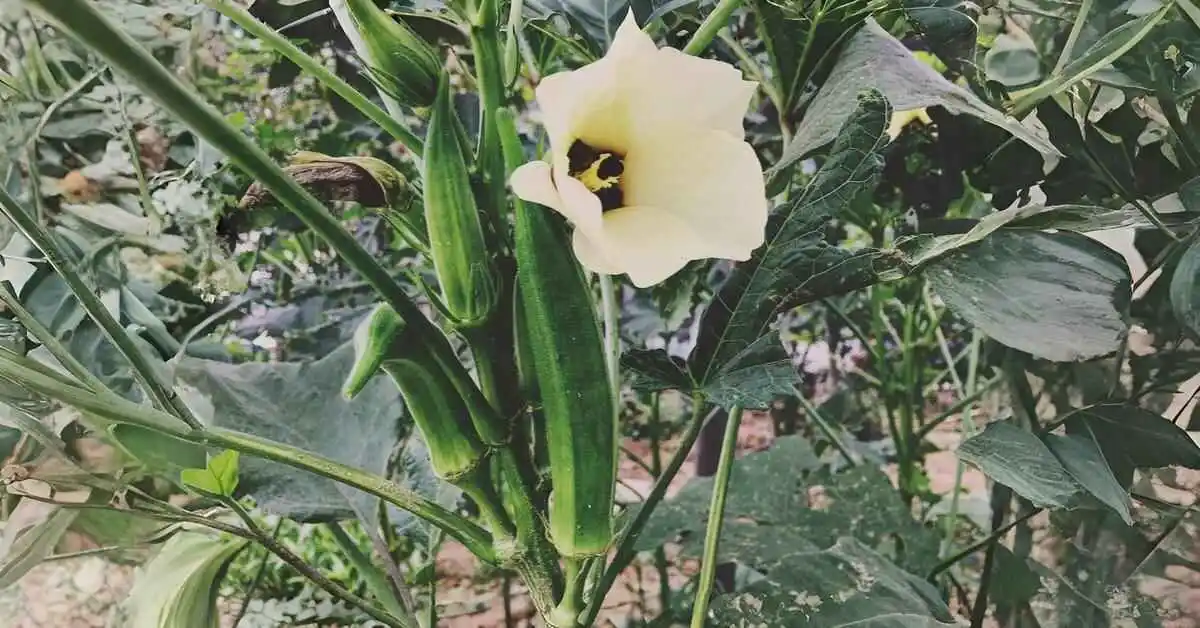
Okra flowers are usually pale yellow with a dark center; they open in the morning and may drop by afternoon, often followed by pod set.
How to Plant Okra – Choosing the right okra variety
Choose a variety that matches your climate, desired pod size, plant height, taste, and disease resistance. Common categories:
- Dwarf/bush types: good for containers and small gardens. Example traits: compact, 60–90 cm tall.
- Tall/pole types: higher yields per plant; good for large plots. Can reach >1.5 m.
- Spineless/tender pods: easier to harvest and more tender for eating.
- Resistant varieties: some are bred for tolerance to pests or diseases (e.g., wilt).
Popular varieties (for reference): Clemson Spineless (widely grown), Long Pod, Arka Anamika (for Indian climates), and hybrid types offering high yields. If you’re unsure, pick a variety labeled “spineless” for easy harvest and good eating quality.
How to Plant Okra – Site selection: sun, wind, and microclimate
- Sunlight: Full sun is essential — at least 6–8 hours of direct sun per day. More sun = more pods.
- Protection from wind: Although sturdy, okra can be top-heavy in fruit; a wind-sheltered spot or windbreak helps.
- Warm microclimate: Because okra is heat-loving, choose a spot with good heat retention (south or west exposure, near a wall that radiates warmth).
- Space: Plan for spacing between plants and rows to allow airflow and harvesting access.
How to Plant Okra – Soil requirements and preparation
Okra prefers well-draining, fertile soil with good organic matter.
- Soil type: Loamy, slightly sandy soils are ideal. Heavy clay can be improved, but ensure drainage.
- pH: For pH, it should be slightly acidic to neutral — pH 6.0–7.0 is best. Test your soil if possible.
- Soil preparation:
- Clear weeds and crop residues.
- Add well-rotted compost (3–5 cm layer incorporated into the top 20–30 cm of soil).
- If the soil is heavy, incorporate coarse sand or organic matter to improve structure.
- Consider a light pre-plant fertilizer if the soil test indicates a nutrient deficiency. A balanced fertilizer, e.g., 5-10-10 or 10-10-10, can work as a starter.
- Drainage: Raised beds are excellent if drainage is slow or the soil is compacted.
How to Plant Okra – When to plant: timing for different climates
Okra is frost-sensitive. Plant when daytime temps are consistently warm, and night-time temps are above ~15°C (60°F).
- Tropical climates: Year-round cropping is possible; avoid the very wettest months if drainage is poor.
- Subtropical climates: Plant in spring after the last frost; in warm regions, you can plant multiple successive crops for continuous harvest.
- Temperate climates: Wait until soil temp is at least 18–20°C (65–70°F) — typically late spring to early summer. Some gardeners start 3–4 weeks indoors before transplanting.
- Staggered plantings: Sow every 2–3 weeks to maintain a continuous harvest throughout the season.
How to Plant Okra – Seed treatment and germination tips
Okra seeds have a hard coat — pre-treatment speeds germination.
- Scarification: Rub seeds lightly with sandpaper or nick the seed coat to help water penetrate.
- Soaking: Soak seeds in warm water for 12–24 hours before sowing (don’t soak more than 24 hours or seeds may rot).
- Seed depth and germination: Also, sow 1–2 cm deep (½-¾ inch). Also, germination typically takes 7–14 days in warm soil. Cooler soils will slow or prevent germination.
Use fresh seeds for best germination; viability drops after a couple of years.
How to Plant Okra – Methods of planting: direct sowing vs. transplanting
Direct sowing (recommended for most gardeners)
- Pros: Simpler, less root disturbance. Okra likes being sown where it will grow because it doesn’t always transplant well if the root system is disturbed.
- Method: Sow 2–3 seeds per hole; after seedlings are 2–3 inches tall, thin to the strongest plant, leaving one per spot.
Transplanting
- Pros: Faster start in short seasons, better early pest control, and earlier harvest.
- Method: Start seeds indoors in biodegradable pots (peat or coir) 3–4 weeks before transplanting. Transplant when the seedlings are 4–6 weeks old, and the soil is warm. Avoid disturbing roots; transplant with the entire plug.
How to Plant Okra – Planting depth, spacing, and layout plans
- Planting depth: 1–2 cm (¼–¾ inch).
- In-row spacing for most varieties: 30–45 cm (12–18 inches) between plants. Tall varieties: 45–60 cm (18–24 inches).
- Row spacing: 60–90 cm (24–36 inches) to provide airflow and room for cultivation.
- Block planting: For better pollination and yields, plant okra in blocks rather than single long rows. Example: 3–4 rows of 3–5 m length with 75 cm between rows.
Example layouts:
- Small garden (6 plants): 3×2 grid with 45 cm spacing.
- Larger bed: staggered/triangular spacing allows efficient use of space and air movement.
How to Plant Okra – Watering and irrigation best practices
Okra tolerates short dry spells, but consistent moisture improves pod size and yield.
- Watering frequency: Deep watering once or twice a week is better than daily shallow irrigation. Water to wet the root zone (to a depth of ~20–25 cm).
- Amount: Aim for 2.5–4 cm (1–1.5 inches) of water per week during active growth — more in hot, dry weather.
- Mulch: Mulching reduces evaporation and keeps soil temperature stable.
- Avoid waterlogging: Excessive water, especially in poorly drained soils, can damage roots and promote disease.
Drip irrigation or soaker hoses are excellent for delivering water to the root zone while keeping foliage dry (reduces disease risk).
How to Plant Okra – Fertilization and soil amendments (schedule and amounts) for Okra
Okra benefits from fertile soil. Here’s a practical fertilization plan for a home garden.
Before planting (soil build-up)
- Incorporate compost: 3–5 cm (1–2 inches) over the bed — about 4–6 kg per square meter.
- Optional basal fertilizer: If the soil test shows low fertility, use a balanced granular fertilizer (e.g., 10-10-10) at planting at the recommended label rates.
Side-dressing during the season
- First side-dress (4–6 weeks after planting): Apply a balanced fertilizer or one slightly higher in nitrogen to encourage growth. Example: 50 g of 10-10-10 per plant (adjust by package directions and bed spacing).
- Second side-dress (when plants begin to set pods heavily): Apply another light dose or use compost tea/organic liquid feed to maintain vigor.
- Avoid over-fertilizing with nitrogen late in the season, as excessive foliage can reduce pod production and attract pests.
Organic alternatives
- Well-rotted manure or compost worked into the soil prior to planting.
- Fish emulsion or compost tea for foliar/soil feed mid-season.
- Bone meal and rock phosphate for phosphorus if the soil is low; greensand or kelp for trace minerals.
Note: Adjust amounts based on soil test results and your soil’s fertility. Over-application leads to lush foliage and fewer pods.
Mulching, weed control, and soil health
- Mulch benefits: Conserves moisture, keeps soil temperature even, suppresses weeds, protects roots. Use straw, dried leaves, wood chips (small), or plastic mulch in warm climates.
- Weeding: Okra has a deep taproot; shallow cultivation is safe in early stages. Hand-weed around plants and avoid disturbing roots. Mulch reduces weeding needs.
- Soil health: Rotate crops yearly (avoid planting okra where other malvaceous crops grew the previous season). Incorporate green manures (cover crops) in the off-season.
Pruning, staking, and plant support
- Pruning: Not usually necessary. Light pruning can improve airflow in very dense plantings. Remove any damaged or diseased branches.
- Staking/support: Tall varieties can get top-heavy. Use stakes or a single central support for windy areas. For smaller varieties, staking is rarely needed.
- Tip pruning: In some climates, tip pruning after plants reach a desired height can encourage lateral branching and pod set lower on the plant, but avoid excessive pruning.
Pest management (common pests and organic controls)
Okra faces a few common pests; early detection is key.
Common pests
- Aphids: They are small, soft-bodied insects clustering on new growth. They suck sap and can spread viruses.
- Shoot borers/caterpillars: bore into stems or feed on leaves/pods (varies by region).
- Stink bugs/pod borers: can pierce pods.
- Whiteflies: They are a common pest that feeds on the underside of leaves and excretes honeydew.
- Spider mites: in hot, dry conditions — produce fine webbing.
Organic control methods
- Handpicking: for larger caterpillars and beetles.
- Neem oil: effective against many sap-sucking insects and small caterpillars — rotate use and follow label instructions.
- Insecticidal soaps: effective against aphids and whiteflies when applied as a contact spray.
- Biological controls: Encourage beneficial insects (ladybugs, lacewings, parasitic wasps) by planting companion flowers and avoiding broad-spectrum insecticides.
- Row covers: Use light row covers early on to protect seedlings from pests, but remove them during flowering to allow pollination.
- BT (Bacillus thuringiensis): effective against caterpillars; apply when larvae are young.
- Trap crops: In some systems, trap crops can draw pests away from okra.
Always identify the pest correctly before treatment; many beneficial insects look similar to pests.
Disease management (common diseases and prevention)
Common diseases
- Powdery mildew: white powdery fungus on leaves (favored by high humidity and poor air circulation).
- Damping-off: affects seedlings in cold, wet conditions (caused by various soil fungi).
- Verticillium or Fusarium wilt: soil-borne fungal diseases that cause wilting and yellowing — may be variety-specific.
- Leaf spots: various fungal or bacterial infections that can cause defoliation in severe cases.
Prevention and cultural controls
- Crop rotation: Avoid planting okra where other malvaceous crops have grown the previous season.
- Well-drained soil: Prevent waterlogging.
- Spacing: Maintain good airflow to reduce humidity around foliage.
- Resistant varieties: Choose disease-resistant cultivars when available.
- Sanitation: Remove and destroy diseased plant debris. Don’t compost heavily diseased material unless your composter heats enough to kill pathogens.
- Fungicides: If necessary, use appropriate fungicides following label directions; organic options include sulfur or copper for specific diseases (use judiciously and only as needed).
Prompt removal of infected plants reduces the spread.
Harvesting okra: when and how for best quality
- Harvest window: Pick pods when they are tender — usually 2–5 inches (5–12 cm) long depending on variety. Overgrown pods become tough and woody.
- Frequency: Harvest every 1–3 days during peak production; regular picking encourages more pod set.
- Method: Use pruning shears, scissors, or a twist-and-pull motion. Wear gloves or long sleeves if plants have spines (some varieties). Cut stems cleanly about a quarter-inch above the pod attachment point.
- Morning harvest: Pods picked in the morning are often crisper and cooler.
- Yield: A healthy plant can produce many pods across the season; multiple harvests over several weeks are typical.
Discard very large pods, as they are fibrous, but leave the rest to dry for seed saving.
Post-harvest handling, storage, and preserving
- Short-term storage: Fresh okra stores best at cool temperatures. Refrigerate unwashed pods in perforated plastic bags; use within 3–5 days for best texture.
- Freezing: Blanch pods 3–4 minutes, cool in ice water, drain, and freeze for long-term storage.
- Drying/salt curing: Large pods can be left to dry for seed saving or dried for other uses.
- Pickling: Okra pickles well and stores for months in jars after standard canning/pickling processes.
- Seed saving: Allow pods to fully dry on the plant and harvest seeds from completely dry pods also store seeds in a cool, dry place.
Growing okra in containers and small spaces
Okra adapts to containers if you choose compact varieties and provide good soil and drainage.
- Container size: Use at least 30–40 cm (12–16 inches) in diameter and 30–45 cm (12–18 inches) deep for one plant. Larger containers give better yields.
- Soil mix: High-quality potting mix with added compost; good drainage is essential.
- Watering: Containers dry out faster; watch moisture and water deeply when the top 2–3 cm (1 inch) feels dry.
- Fertilizing: Regular liquid feeding or slow-release fertilizer per package recommendations.
- Varieties: Choose dwarf/bush varieties for containers.
Containers are perfect for balconies or patios where full sun is available.
Companion planting and crop rotation tips
Companion plants that help the okra
- Basil and herbs: May help deter pests and improve flavor.
- Cowpeas/beans: Nitrogen-fixing legumes planted nearby can enrich the soil.
- Marigolds and flowering plants: Attract beneficial insects and pollinators.
- Peppers and eggplants (Solanaceae): Often rotated in similar beds but avoid monoculture.
Crops to avoid following okra
- Rotating with unrelated families reduces disease build-up. Avoid planting other Malvaceae family crops (if any) in the same spot year after year.
Rotation schedule: Do not plant okra in the same bed for at least 2–3 seasons; follow with leafy greens, root crops, or legumes.
Troubleshooting: common problems and fixes
- Low germination: Check seed viability and soil temperature; pre-soak/scarify seeds and ensure warm soil.
- Leggy seedlings: Sow a little shallower and provide more light if starting indoors. Harden off gradually.
- Yellowing leaves: Could be due to nutrient deficiency, overwatering, or disease — test the soil and inspect the roots.
- Few flowers/pods: Could be cool temperatures, excessive nitrogen (too much leaf growth), or poor pollination. Reduce nitrogen and ensure pollinator presence.
- Pods becoming tough: Harvest earlier and more often; choose tender varieties.
- Plant wilting: Could be due to water stress, root rot, or a wilt disease — check moisture levels and root health.
When in doubt, examine the plant closely (the underside of leaves, stems, and soil) and act promptly.
Frequently asked questions (FAQ)
Q: How long does okra take to germinate?
A: Usually 7–14 days in warm soil; up to 3 weeks if soil is cool.
Q: Can okra tolerate slight shade?
A: It tolerates light afternoon shade, but yields will be reduced. Full sun is best.
Q: How many plants do I need for a family of four?
A: 6–10 plants, staggered planting for continuous harvest, will provide a steady supply.
Q: Does okra need pollinators?
A: Yes — bees and other insects pollinate flowers. Plant pollinator-friendly flowers nearby.
Q: Can I grow okra in winter?
A: Only in frost-free tropical/subtropical climates. In temperate zones, grow in warm months.
Q: Are okra leaves edible?
A: Young leaves are edible and can be cooked like other greens, but they’re less commonly eaten than pods.
Final tips and a simple okra care calendar
Quick tips
- Start seeds in warm soil or use heat mats if starting indoors.
- Stagger plantings every 2–3 weeks to maintain a continuous harvest.
- Harvest frequently; leaving pods reduces overall production.
- Keep plants well-fed but avoid excess nitrogen late in the season.
- Use mulch and drip irrigation to conserve water and reduce disease.
Simple seasonal calendar (example for temperate/subtropical regions)
- Spring (4–6 weeks before the last frost): Start seeds indoors in warm trays if short-season. Prepare beds, incorporate compost.
- After last frost/soil>18°C: Direct sow or transplant. Mulch and set up irrigation.
- 4–6 weeks after planting: Side-dress with balanced fertilizer; check for pests.
- Beginning of pod set: Increase water slightly and harvest frequently.
- Throughout season: Harvest every 1–3 days; manage pests; add compost tea every 3–4 weeks if desired.
- End of season: Allow a few pods to mature for seeds if saving; clear the bed and add organic matter for next season.
Bonus: Simple okra recipes and uses
If you grow it, you’ll want ways to enjoy it. A few simple ideas:
- Bhindi masala (Indian-style stir-fry): Slice okra into small pieces; sauté with onion, turmeric, coriander powder, cumin, and tomatoes. Serve with roti or rice.
- Breaded fried okra: Slice, coat in seasoned cornmeal or flour, and shallow fry until crisp.
- Stewed gumbo: A classic Southern dish using okra as a thickener, stock, smoked meat/seafood, and vegetables.
- Pickled okra: Blanch pods lightly, pack into sterilized jars with brine and spices, and process per canning instructions.
- Blanched and frozen: Blanch 3–4 minutes, cool, and freeze for later use.
For seed-saving enthusiasts
- Let 3–5 pods mature fully and dry on the plant. Pods will turn brown and papery.
- Collect dry pods, remove seeds, and store in labeled, airtight containers in a cool, dry place.
- Note: If you’re growing hybrids, saved seeds may not breed true — open-pollinated varieties are best for seed saving.
Closing thoughts
Okra is one of the most satisfying vegetables to grow: tolerant of heat, productive, and simple to care for once you understand its needs. The keys to success are warm soil, full sun, good soil fertility, and frequent harvesting. With the tips in this guide — from seed treatment to pest management, container growing to preserving your harvest — you should be well-equipped to grow vigorous plants and enjoy fresh okra all season long.