Complete Guide on How to Care for a Snake Plant Indoors (Sansevieria / Dracaena trifasciata)
Complete Guide on Snake Plant Care Indoors, aka Sansevieria (now usually classified as Dracaena trifasciata)—is the houseplant superstar: tough as nails, stylish, and impossibly forgiving. If you want a low-maintenance, high-style plant that improves indoor air and survives neglect, this is your plant. This guide walks you through everything: light, water, soil, potting, propagation, pest and disease troubleshooting, styling ideas, and an easy care calendar — plus practical “what to do if…” steps. Read on for an exhaustive, beginner-friendly, actionable manual.
How to Care for a Snake Plant Indoors – Quick overview (TL;DR)
- Light: Bright, indirect to moderate-low light. Tolerates low light, but grows more slowly. Avoid prolonged direct hot sun on young leaves.
- Water: Very drought-tolerant. Water thoroughly, then let the soil dry out completely between waterings for optimal growth. Overwatering = most common problem.
- Soil: Fast-draining, gritty potting mix (cactus/succulent mix + perlite/sand).
- Temperature: Comfortable at typical indoor temps (60–85°F / 15–29°C). Protect from cold drafts and temps below ~50°F (10°C).
- Humidity: Average household humidity is fine.
- Fertilizer: Light feeding spring–summer (every 6–8 weeks with dilute balanced fertilizer).
- Repotting: Every 2–4 years or when root-bound. Snake plants prefer to be slightly pot-bound for optimal growth.
- Propagation: By division or leaf cuttings (division is fastest/most reliable).
- Problems: Root rot from overwatering; mealybugs, spider mites, scale; brown leaf tips from salt buildup or underwatering.
How to Care for a Snake Plant Indoors – What is a snake plant?
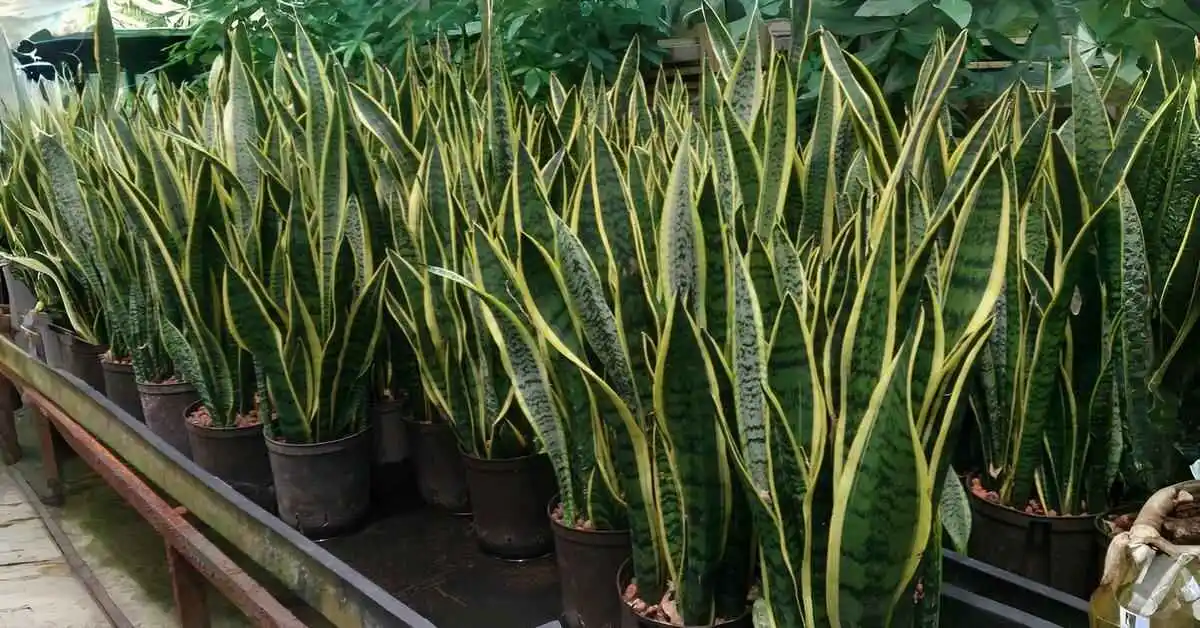
Common names: Snake plant, mother-in-law’s tongue, viper’s bowstring hemp. Scientific: historically Sansevieria; now reclassified as Dracaena trifasciata and related species. They come in many forms, from the classic tall vertical grey-green leaves with yellow margins (e.g., ‘Laurentii’) to compact varieties with wavy leaves or variegated patterns (e.g., ‘Moonshine’, ‘Silver Queen’, ‘Bantel’s Sensation’). Most are prized for upright, architectural leaves and their tolerance of low light and low water.
Why people love them:
- Nearly indestructible — great for beginners or busy people.
- Great for offices, bedrooms, and living rooms.
- Good air-purifying reputation (removes some VOCs).
- Attractive sculptural look that fits modern decor.
How to Care for a Snake Plant Indoors – Choosing the right snake plant variety
There are wide varieties; pick one based on space, light, and aesthetic:
- Tall/architectural (e.g., ‘Laurentii’, ‘Black Gold’): Great floor specimens or statement plants.
- Compact / rosette (e.g., Sansevieria trifasciata ‘Hahnii’): Perfect for desks, shelves, windowsills.
- Variegated (e.g., ‘Silver Queen’, ‘Moonshine’): Eye-catching but slightly less tolerant of very low light; variegation needs more bright light to keep colors.
- Cylindrical/pencil (e.g., Sansevieria cylindrica): Sculptural, good in modern planters.
- Striped or mottled forms (e.g., ‘Futura Superba’): Visual interest and texture.
Tip: If low-light is unavoidable (bathroom, basement), choose darker green, non-variegated forms — they handle low light better.
How to Care for a Snake Plant Indoors – Light requirements — how much, and where to place it
Snake plants are adaptable, but light determines growth rate and leaf color.
- Bright indirect light (best): Near an east-facing window or a few feet from a south/west window with filtered light. Plants are happiest here and will grow faster.
- Moderate light: Most indoor locations — will do well and remain healthy.
- Low light: Tolerates dim rooms, hallways, and bathrooms (if some indirect light exists). Growth slows, and variegated varieties may fade.
- Direct sun: A little morning sun is okay. Avoid prolonged exposure to the hot afternoon sun on young plants — it can scorch leaves. Mature, hardened plants may tolerate some direct sun.
Placement tips:
- Avoid placement directly in front of AC vents or heaters.
- Rotate the pot occasionally for even growth if light comes from one side.
- If leaves lean or sprawl, it’s a sign they’re reaching for light — move to a slightly brighter spot.
How to Care for a Snake Plant Indoors – Watering — the most important lesson
Snake plants are succulents: they store water in their thick leaves and prefer to dry out between waterings.
Watering rhythm (general)
- Spring–Summer (growing season): Water thoroughly when the top 2–3 inches (5–8 cm) of soil are dry. This usually means every 2–6 weeks, depending on pot size, soil, and indoor climate.
- Autumn–Winter (dormant/slow growth): Water much less — maybe once every 6–10 weeks. Always check the soil before watering.
- Rule of thumb: When in doubt, wait. Underwatering causes slow growth and wrinkling; overwatering causes root rot and mushy bases.
How to water properly
- Let water drain slowly until it runs out of the drainage holes.
- Let excess water drain; do not leave the plant sitting in a saucer full of water.
- Let the soil fully dry before the next watering for optimal growth.
Signs of overwatering
- Soft, mushy leaves at the base.
- Yellowing leaves are starting near the bottom.
- Foul smell in the soil.
- Rotting rhizomes or roots.
If you suspect root rot: remove the plant from its pot, trim rotten roots/rhizomes to healthy white tissue, let dry for a day, repot into dry, fresh, fast-draining mix, and water sparingly.
How to Care for a Snake Plant Indoors – Soil and pot what to use
Snake plants need soil that drains fast; soggy soil = root rot.
Good mixes:
- Commercial cactus/succulent mix (works well).
- Homemade: 2 parts potting soil + 1 part coarse perlite or pumice + 1 part coarse sand or orchid bark for optimal growth.
- You can also add a small amount of compost or slow-release fertilizer to the mix if desired.
Pot choice:
- Drainage holes are essential. Never use a pot without drainage unless you are an expert at watering or using a semi-hydroponic system.
- Terracotta pots help wick moisture away and also reduce the risk of overwatering (they dry faster).
- Plastic pots retain moisture longer — fine if you water less and have a fast-draining mix.
- Pot size: Choose a pot only slightly larger than the root ball for optimal growth. Snake plants like to be slightly root-bound; very large pots hold too much moisture, increasing the risk of rot.
How to Care for a Snake Plant Indoors – Temperature and humidity
- Ideal temperature: 65–85°F (18–29°C). They will tolerate a wider range but avoid extremes.
- Cold sensitivity: Keep above 50°F (10°C). Exposure to temps below ~50°F can cause leaf damage and root problems.
- Humidity: Average home humidity is fine. They don’t require extra humidity; high humidity won’t hurt, but poor air circulation + high moisture can increase the risk of fungal problems.
Fertilizer — when and how much
Snake plants don’t need much fertilizer.
- Growing season (spring–summer): Feed lightly every 6–8 weeks with a balanced liquid fertilizer diluted to half strength, or use a slow-release pellet at the beginning of the season.
- Autumn–Winter: Stop or feed minimally; plant growth slows and doesn’t need extra nutrients.
- Over-fertilization signs: Brown leaf tips, salt buildup on soil surface, burned roots — flush soil with water to remove salts if buildup appears.
Repotting — when and how
Snake plants dislike frequent repotting, but benefit when root-bound or when the soil is exhausted.
When to repot:
- Every 2–4 years for active growers.
- If the roots are circling heavily or coming out of the drainage holes for optimal growth.
- If the plant is top-heavy and the pot is unstable.
How to repot:
- Choose a pot 1–2 inches (2.5–5 cm) larger in diameter for small plants, up to 2-4 inches larger for big specimens — avoid very large jumps.
- Use a fresh, fast-draining mix.
- Remove gently. If the rootball is very compacted, you can divide it into sections (the ideal time to propagate).
- Place the plant at the same depth it was before. For top-heavy plants, add gravel at the bottom or use heavier potting material to stabilize.
- Wait 3–7 days before watering if roots were exposed or trimmed; this helps reduce the risk of rot.
How to Care for a Snake Plant Indoors – Propagation — division, leaf cuttings, and pups
Propagating snake plants is easy. The fastest and most reliable method is division.
1. Division (best & fastest)
- When repotting, separate clumps at the rhizome level using a clean knife or your hands.
- Each division should have several healthy leaves and some roots.
- Divide plants into pots with fresh soil, then water lightly.
2. Pups (offsets)
- Many snake plants produce small pups at the base.
- Carefully detach pups when they’re about a third the size of the parent and have roots.
- Pot them in a small pot with a fast-draining mix.
3. Leaf cuttings (slower)
- Cut a healthy leaf near the base into 2–3-inch segments.
- Then let the cut ends callus over for a day or two.
- Stick segments upright into a moist cactus/succulent mix, or place them in water until roots form (the water method takes longer).
- Expect months for new plantlets; leaf-cutting propagation can cause variegation loss in some varieties (since variegation is sometimes unstable via leaf cuttings).
Common pests and how to handle them
Snake plants are relatively pest-resistant, but occasionally you’ll see:
- Mealybugs: White fluffy colonies in leaf curves or root crown. Treat by dabbing with isopropyl alcohol on a cotton swab; repeat weekly. For severe infestations, spray with insecticidal soap or neem oil for optimal growth.
- Scale: Brown or tan bumps on leaves. Remove manually with a cotton swab and alcohol, then treat with a systemic insecticide or repeat topical treatments.
- Spider mites: Fine webbing and stippling on leaves, more common in very dry indoor air. Increase humidity slightly, spray leaves with water, and use miticide or insecticidal soap.
- Fungus gnats: Small flying flies from over-wet soil. Reduce watering, let the soil dry out, use sticky traps, or apply a biological control such as Bacillus thuringiensis israelensis (BTI).
General pest protocol:
- Isolate the affected plant.
- Physically remove pests when possible.
- Wipe leaves with alcohol or soapy water.
- Use insecticidal soap or neem oil for persistent problems and for optimal growth.
- In heavy cases, consider repotting with fresh soil after root inspection.
Diseases and disorders — signs and fixes
- Root rot: Dark, mushy roots; base collapse. Caused by overwatering/poor drainage. Solution: trim rot, repot into dry fresh soil, reduce watering, and use a terracotta pot.
- Leaf tip browning: Could be due to underwatering, salt buildup, fluoride in the water, or low humidity. Flush soil occasionally, trim brown tips, and use filtered water if salts/chemicals are suspected.
- Leaf spots / fungal diseases: Brown or black spots; often from excessive humidity or wet foliage. Improve airflow, avoid overhead watering, and remove affected leaves for optimal growth.
- Soft/mushy leaves: Often overwatered or frozen. Remove affected tissue and correct watering; if frozen, remove and avoid cold drafts.
Styling and placement ideas (decor + function)
- Minimalist tall corner plant: Tall variegated snake plants in a tapered pot for living rooms or office corners.
- Grouped pots: Combine small ‘Hahnii’ types in a tray for shelf displays.
- Bathroom greenery: If there’s natural light, a snake plant will thrive in bathrooms and handle humidity.
- Bedroom plant: Great option for low-maintenance; some studies suggest plants can slightly improve air quality.
- Desk-sized compact varieties: ‘Hahnii’ or small cylindrical forms for desks, bookcases, or kitchen counters for beautiful decoration.
Design tips:
- Use clean, modern pots for the plant’s architectural shape.
- Pair with softer foliage plants (e.g., pothos, philodendron) for contrast.
- Use pebble top dressings only if they don’t trap water at the soil surface.
Step-by-step care checklist
Daily:
- Quick visual check — any pests, droop, or spills? (No daily watering.)
Weekly:
- Rotate the plant 1/4 turn for even growth if light comes from a single direction.
- Wipe dust from leaves to keep them photosynthesizing efficiently.
Monthly (during growing months):
- Check the top 2–3 inches of soil for dryness; water only if dry.
- Inspect for pests and tip browning.
- Clean or remove dead leaves.
Spring & summer:
- Light feeding every 6–8 weeks with half-strength fertilizer.
- Consider repotting root-bound plants.
Autumn & winter:
- Cut back watering frequency.
- Place away from cold drafts and heaters.
Troubleshooting: common problems & fixes
Leaves turning yellow
Cause: Overwatering (most common).
Fix: Stop watering, remove from the pot, inspect the roots for rot, trim any rotten parts, repot in a dry, fast-draining mix, and reduce watering frequency.
Brown tips and edges
Causes: Low humidity (rare), salt buildup from fertilizer, underwatering, or chemical sensitivity (fluoride/chlorine).
Fix: Flush the soil with water to leach salts, reduce fertilizer use, use filtered water, and trim brown tips.
Leaves are soft at the base (mushy)
Cause: Rot from overwatering or cold damage.
Fix: Trim mushy areas to healthy tissue, improve drainage, repot, and keep warm/dry.
Leaf curling or wrinkling
Cause: Underwatering or root stress.
Fix: Water deeply and allow to drain; monitor for improvement.
Slow/no growth
Cause: Low light, winter dormancy, or root-bound.
Fix: Move to a brighter spot, wait for the growing season, consider repotting/dividing.
Propagation tutorials (detailed)
Division (detailed)
- Prepare pots with a fresh mix and have clean tools ready.
- Carefully remove the plant from the pot; gently tease the soil away from the roots.
- Locate natural separations in rhizomes—you’ll see little connected segments.
- Using a clean knife, separate clumps, ensuring each has roots and at least 2–3 leaves.
- Let any cut rhizome surfaces dry for a day if you trimmed a lot.
- Pot divisions into prepared pots, backfill with soil, and firm gently.
- Water lightly, place in bright, indirect light, and resume normal, sparse watering after a week.
Leaf cuttings in soil (detailed)
- Cut a healthy leaf near the base. Cut into 2–3-inch pieces; remember the top/bottom orientation.
- Then allow cut ends to callus for 1–2 days.
- Insert the bottom end about 1 inch into a moist succulent mix.
- Also, keep the soil just slightly moist, not wet. Roots form slowly; be patient (weeks to months).
- Expect the plant to produce a new rosette over time.
Care calendar — sample schedule (temperate indoor home)
Spring (Mar–May)
- Move to a slightly brighter spot if possible.
- Check soil moisture; water every 2–4 weeks as needed.
- Feed once with half-strength balanced fertilizer in early spring, and again mid-spring if the plant is growing vigorously.
- Inspect for pests.
Summer (Jun–Aug)
- Water when the top 2–3 inches are dry (every 2–4 weeks, depending on heat & pot size) for optimal growth.
- Consider repotting/division if crowded.
- Keep out of harsh afternoon sun, which can scorch leaves.
Autumn (Sep–Nov)
- Reduce watering frequency as growth slows.
- Stop or reduce fertilizing by late autumn.
- Move away from drafty windows if nights are chilly.
Winter (Dec–Feb)
- Minimal watering — possibly once every 6–10 weeks, depending on indoor heat and pot size.
- Keep the plant in a warm, bright (but not sunny) spot.
- Avoid placing near radiators or cold window panes.
Snake Plant Care Indoors – FAQs
Q: How often should I water my snake plants?
A: Let the top 2–3 inches of soil dry; then water thoroughly. Frequency varies by season and indoor climate — typically every 2–6 weeks in the growing season and much less in winter.
Q: Can snake plants survive in a bedroom?
A: Yes. They are ideal bedroom plants due to their low maintenance. The common myth that they produce CO₂ at night is overstated; their air-purifying effects are modest but positive.
Q: Why are my snake plant leaves floppy?
A: Floppy leaves indicate overwatering, root rot, or sudden cold exposure. Check roots and soil moisture.
Q: Should I mist my snake plant?
A: Not necessary. They prefer drier conditions, and wet foliage increases the risk of fungal infections. Wipe leaves with a damp cloth to clean dust from the snake plant.
Q: Can I keep a snake plant outdoors?
A: In mild climates (USDA zones ~10–11), they can be outdoors year-round in partial shade. In cooler climates, keep them indoors, or move them indoors when temperatures drop by ~50°F (10°C).
Q: My snake plant is leaning to one side — help!
A: Rotate the pot periodically and ensure it’s getting even light. If top-heavy or root-bound, repot into a slightly larger pot and divide if needed.
Final checklist: best practices
- Use a fast-draining soil and a pot with drainage holes.
- Also, water sparingly; let the soil dry completely between waterings.
- Give bright, indirect light for best growth; tolerates low light.
- Fertilize lightly only in spring/summer.
- Repot rarely — every 2–4 years as needed.
- Propagate by division for the fastest results.
- Watch for signs of overwatering and pests; act quickly if problems arise.
Snake Plant Care Indoors – Closing notes — caring for longevity and design
Snake plants reward the patient and the lazy gardener alike. They look great with very little fuss, and a little care goes a long way. For long-term health, prioritize good drainage, controlled watering, and appropriate light. Combine with other low-maintenance plants to create a resilient indoor jungle that requires minimal babysitting.