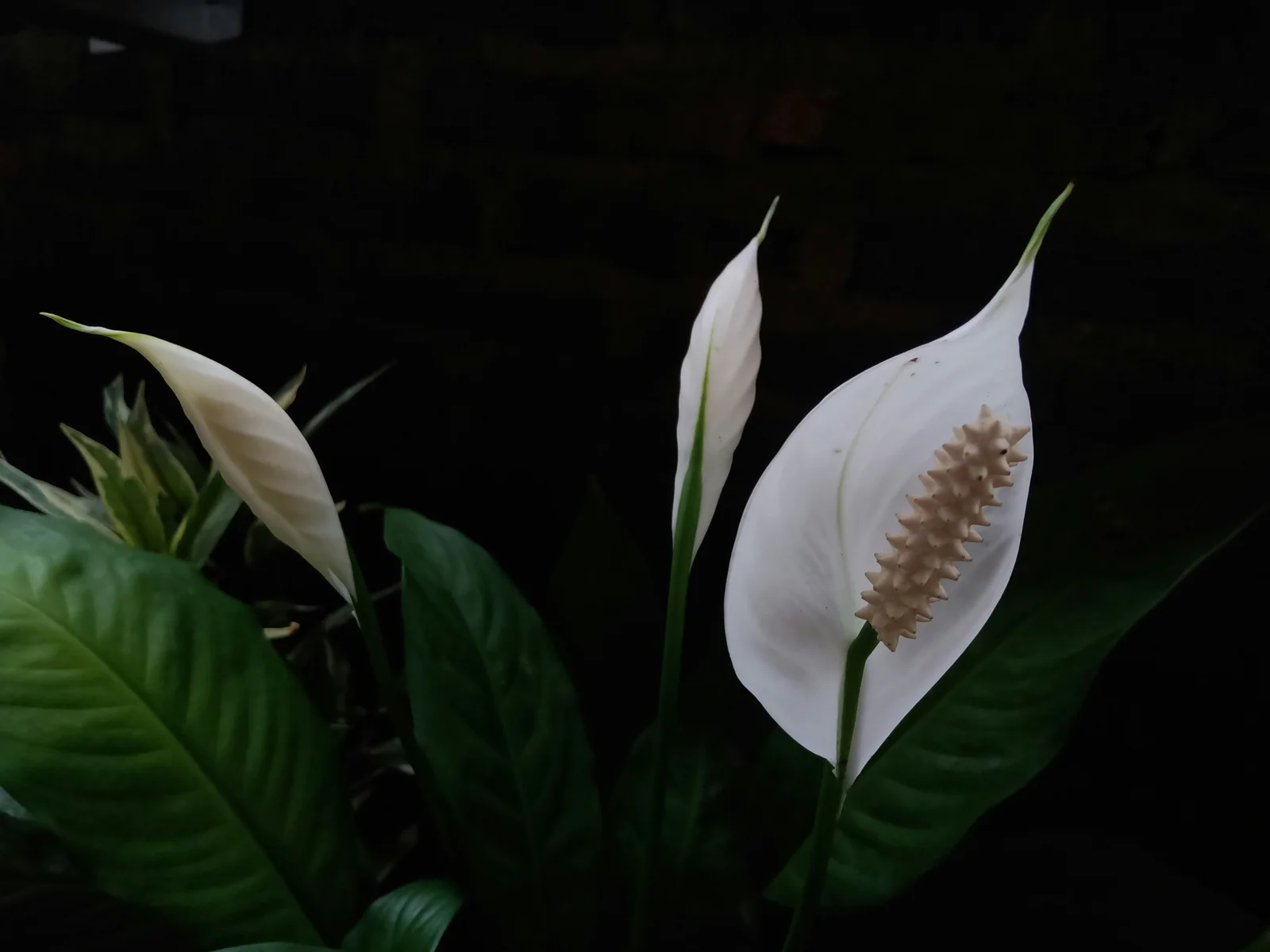
How to care for a peace lily plant
How to care for a peace lily plant can be pretty interesting, as Peace lilies (genus Spathiphyllum) are among the most popular houseplants. They are forgiving, elegant, and great for both beginners and experienced plant parents. With their glossy green leaves and striking white spathes (the “flowers”), peace lilies brighten rooms while quietly improving indoor air quality. This guide covers everything: choosing the right plant, potting and soil, light, water, humidity, fertilizing, pruning, repotting, propagation, pests and diseases, troubleshooting common problems, and a practical care schedule you can follow. By the end, you’ll have all you need to keep a healthy, thriving peace lily.
How to care for a peace lily plant – What is a peace lily? A short introduction
“Peace lily” is the common name for plants in the genus Spathiphyllum, which are also native to tropical regions of the Americas and Southeast Asia. They are not true lilies (Lilium), but aroids — relatives of philodendrons and anthuriums. Peace lilies are appreciated for their ability to tolerate lower light conditions than many houseplants. Their ease of care and forgiving nature. They have air-cleaning qualities (they were part of NASA’s clean-air plant studies). Also, they have sleek, glossy foliage that suits modern interiors and dramatic white spathes (the leaf-like bracts that enclose the flower cluster).
There are many cultivars and species, varying in size from compact tabletop varieties (20–30 cm / 8–12 in) to large floor specimens (up to 1–1.5 m / 3–5 ft). Choose the Peace lily size that best fits your space.
How to care for a peace lily plant – Choosing a peace lily (what to look for at the nursery or online)
When selecting a plant, inspect it carefully. Check for leaves, and look for deep green, glossy leaves. Pale, yellowing, or brown-tinged leaves may indicate neglect or disease. Also, check for new growth. A healthy plant will have new shoots or at least tightly furled leaves. Avoid plants that look dormant or stunned unless they’re just newly potted. Checking for roots is also essential. If buying from a physical store, gently lift the plant from the pot (if possible) to inspect the roots. Healthy roots are white or light tan and firm; brown, mushy roots indicate root rot. Pest checking is also essential. Check for the undersides of leaves for tiny insects, webbing, or sticky residue (honeydew). Avoid infested plants. Also, check for flowering. A plant with one or two visible spathes is fine, but don’t judge vigor only by flowers. Plants can bloom irregularly under suboptimal conditions.
If buying online, get photos of the whole plant and a close-up of the leaves and soil.
How to care for a peace lily plant – Best soil and potting mix
Peace lilies like rich, well-draining potting soil that retains moisture but doesn’t stay soggy. A good mix for base potting mix uses a high-quality all-purpose indoor potting mix. For amendments, add perlite or pumice (10-20%) for drainage and aeration, and add peat moss or coir (10–20%) to improve moisture retention. Compost or worm castings (in small amounts) add nutrients. It’s optional; you can add a small amount of orchid bark to improve the structure of larger plants.
Avoid garden soil, as it compacts and can hold too much water.
How to care for a peace lily plant – Pot and drainage — crucial details
Check for a drainage hole. Always use a pot with drainage holes. Peace lilies hate “wet feet.” For pot material, use terracotta that breathes and helps soil dry faster (good if you tend to overwater). Plastic retains moisture longer (good if you sometimes forget to water). Choose based on your watering habits. For size when repotting, increase the pot diameter by 2-5 cm (1-2 in) at a time. Also, overpotting a Peace lily in a very large pot can keep the soil too wet for too long, leading to root problems. Also, for cachepot use, if using a decorative cachepot (no drainage), keep the plant in a nursery pot and remove it to water; never leave the plant sitting in water inside the cachepot.
How to care for a peace lily plant – Light requirements — where to place your peace lily
Peace lilies are adaptable. The ideal requirement is bright, indirect light from an east-facing window or a few meters back from a south- or west-facing window, filtered by curtains. A medium light is tolerable (e.g., a north-facing window or interior rooms with bright ambient light). Avoid direct, hot afternoon sun; it scorches leaves and bleaches spathes. If there is too little light, plants may survive, but growth slows, and flowering becomes rare. Leaves may turn darker but smaller, and the plant will be laggy. And if there is too much light, leaves will become yellow or develop brown, crispy edges from sunburn.
If your plant is not blooming, try gradually moving it to slightly brighter, indirect light for a month; often this triggers spathe production.
How to care for a peace lily plant – Watering — how much, how often, and techniques
Watering is the number one cause of problems with peace lilies: they need consistent moisture but are sensitive to waterlogged soil.
How to tell when to water
Do the finger test: Stick your finger 2-3 cm (¾–1¼ in) into the soil. If the top layer feels dry, water. Also, do a weight test; dry soil feels noticeably lighter than moist soil. Over time, you’ll learn the weight difference. You will see leaf cues as peace lilies will droop dramatically when thirsty, but don’t use drooping as your only cue because it’s stress. Also, the leaves usually perk up within a few hours of watering.
Watering method
Water thoroughly until it runs out the drainage hole; allow excess to drain away. Discard standing water. Never let the plant sit in a saucer full of water for long. Empty saucer after 10–20 minutes. Check water quality. Tepid room temperature water is best. Peace lilies are mildly sensitive to salts and chemicals in water. If your tap water is hard or heavily chlorinated, let it sit for 24 hours to dissipate chlorine, or use filtered/rainwater when possible.
How often?
Frequency depends on pot size, plant size, season, indoor humidity, and light. Typical ranges if you have small pots (10–15 cm / 4–6 in), water every 7-10 days. Medium pots (15–25 cm / 6–10 in) water every 7-14 days. Having a large pot and mature plants, water every 10-21 days.
In winter, growth slows; water less frequently. Always use the finger/weight test rather than a calendar.
How to care for a peace lily plant – Humidity and temperature
The ideal temperature range is from 18–26°C (65–79°F). Avoid prolonged exposure below 15°C (59°F) as it is the minimum tolerance. Avoid cold drafts, sudden temperature swings, and chilly windows in winter.
For humidity, Peace lilies like higher humidity than many homes provide. Target 50–70% relative humidity if possible.
Practical tips to increase humidity: Place a pot on a tray with pebbles and water (bottom of pot above water line). Group plants together to create a microclimate. Use a humidifier in dry months. Mist leaves occasionally misting is a quick boost, but not a substitute for consistent humidity.
Watch out for overly stale conditions; good air circulation (but not drafts) helps prevent fungal issues.
How to care for a peace lily plant – Fertilizing — what, when, and how much
Peace lilies are moderate feeders. Use balanced houseplant fertilizer (e.g., 10-10-10, 20-20-20) or one higher in nitrogen for leaf growth. Slow-release pellets or liquid fertilizers both work. For frequency during the growing season (spring–summer), feed every 6–8 weeks with a diluted liquid fertilizer (½ strength of label recommendations).
Alternatively, apply slow-release granules at the beginning of the growing season per package amounts. In the fall or winter, reduce or stop feeding; plant growth slows, and too much fertilizer can cause salt buildup. Signs of over-fertilization in Peace lilies include brown leaf tips, browned leaf margins, or a white crust on the soil surface. If you overfertilize, flush the potting mix thoroughly with water until the runoff is clear.
Pruning and grooming
Remove spent spathes, cut flower stalks at the base when they yellow or brown for a neat appearance and to redirect energy to foliage. Trim damaged leaves. Use clean, sharp scissors to cut browned or yellowed leaves at the base. If you see dust, wipe leaves with a damp cloth occasionally to remove dust. Cleaner leaves photosynthesize better. For shaping, there’s no heavy pruning needed; remove only what’s necessary for appearance and plant health.
Repotting — when and how
You should repot every 1-3 years, typically. Indications of repotting include roots growing out of drainage holes. The plant becomes top-heavy, or the pot looks crowded with roots. Also, you should repot if the soil has compacted or no longer drains well, and growth slows despite good light and care.
How to repot
Choose a pot 2–5 cm (1–2 in) larger in diameter than the current one. Then gently remove the plant from the pot and tease the roots lightly. If rootbound, loosen the root ball and trim a few circling roots. Remove 1–2 cm (½–1 in) of old soil from the bottom of the new pot, set the plant, and fill around it with fresh, well-draining mix. Then water thoroughly and let drain. Also, avoid fertilizing for 4–6 weeks after repotting to reduce stress.
Propagation — easiest methods
The easiest and most reliable method for peace lilies is division. For division, remove the plant from its pot and gently shake off excess soil to expose root clumps. Look for natural clumps with stems and roots. Use a clean knife or your hands to separate the clumps. Each division should have at least 3–4 healthy leaves and a portion of roots. Pot each division into a small pot with fresh potting mix. Water well and keep in bright, indirect light until established.
You can propagate when repotting (spring is best) or whenever the plant is large enough to divide.
Common pests and how to handle them
Peace lilies are relatively pest-resistant, but can attract pests, which are:
- Spider mites: Tiny, often in dry conditions. Look for fine webbing and stippling on Peace lily leaves. For treatment, increase humidity, rinse leaves, and use insecticidal soap or neem oil. Repeat treatments as needed.
- Scale insects: Brown or tan shell-like bumps on stems/leaves. For treatment, remove manually with a cloth and soapy water or treat with horticultural oil.
- Mealybugs: White cottony masses on stems or leaf axils. For treatment, dab with isopropyl alcohol on a cotton swab, or spray with insecticidal soap/neem oil.
- Aphids: Small, soft-bodied insects usually on new growth. For treatment water spray, insecticidal soap, or neem oil.
General pest control tips: isolate new plants for a week to ensure they’re pest-free. Keep leaves clean and well-hydrated; many pests prefer dry, dusty conditions. Also, persistent infestations may require repeated treatments over several weeks.
Diseases and disorders — identification and fixes
If there is root rot, the likely causes are overwatering and poor drainage. Signs are yellowing leaves, mushy brown roots, and foul-smelling soil. To fix overwatering and poor drainage, remove the plant, cut away rotten roots, repot in a fresh, well-draining mix, and put it in a pot with drainage. Water sparingly until recovery.
If there are leaf spots and fungal issues, the likely causes are overhead watering and poor air circulation. Signs are brown or black spots on leaves. To fix, remove affected leaves, improve air circulation, avoid wetting foliage, and use a fungicide if severe.
If there are brown leaf tips, the likely causes are low humidity, underwatering, excess salts from water/fertilizer, or fluoride in the water. To fix brown leaf tips, improve humidity, flush soil to remove salts, use filtered water, and trim tips.
If there are yellow leaves, the likely cause is overwatering, a nutrient deficiency, or natural leaf aging. To fix yellowing leaves, check the watering routine, feed appropriately, and remove very old leaves.
Troubleshooting common problems — quick fixes
- Plant wilts but perks up after watering: Likely underwatering. Adjust the schedule and use weight/finger tests.
- No blooms: Not enough light or the plant is rootbound. Move to a brighter spot (without direct sun) or repot.
- Leaf tips turning brown despite careful watering: Water quality (fluoride, salts). Use filtered or rainwater and flush the soil periodically.
- Sticky residue or black sooty mold on leaves: Honeydew from pests like scale or aphids. Treat pests first, then clean leaves.
- Leaves yellowing throughout: Likely overwatering or poor drainage — check roots and pot drainage.
- Brown, crunchy edges on leaves: Too much direct sun or low humidity. Move away from bright direct sun and raise humidity.
Seasonal care — what changes with the seasons
In spring, increase watering slightly as the plant grows. Start fertilizing every 6–8 weeks. Also consider repotting or dividing if needed. Increase the light slightly if it gets shady indoors.
In Summer maintain consistent moisture; check for pests more often. Also, provide bright, indirect light but avoid scorching sun. Boost humidity with a tray or humidifier. Trim yellowing leaves, remove spent flowers.
In Automn slow down fertilizing as growth tapers off. Also, reduce watering frequency slightly as indoor conditions change. Check for pests moving indoors.
In Winter water less frequently as plant growth slows in cooler, lower-light months. Water only when the top 2–3 cm of soil is dry also avoid cold windows and drafts. Also, increase humidity if possible (heaters dry indoor air). Stop or reduce fertilizing.
Styling and placement ideas
- Living room statement: Place a tall peace lily in a corner with bright, indirect light — elegant and low-maintenance.
- Bedroom: Peace lilies are great for bedrooms (they add humidity and have a reputation for air purification). Keep off small bedside tables if you have pets/kids due to toxicity.
- Bathroom: If the bathroom has a window and decent light, peace lilies love the humidity there.
- Group display: Combine with other tropical foliage (pothos, philodendron) to create a mini indoor jungle and gently raise ambient humidity.
- Containers: Use simple modern pots to showcase glossy foliage; terracotta adds a natural texture.
Safety: pets and children
Peace lilies contain calcium oxalate crystals that can cause irritation if ingested also there are symptoms in pets or people include drooling, oral irritation, difficulty swallowing, and vomiting. They are not deadly in most cases, but ingestion is painful and unpleasant.
To be safe, keep peace lilies out of reach of pets and small children. If ingestion occurs, call your vet or local poison control center for guidance immediately.
Varieties and cultivars — short list to consider
Common types you’ll find at nurseries and garden centers:
- Spathiphyllum ‘Mauna Loa’ — Large leaves, strong bloomer.
- Spathiphyllum ‘Sensation’ — Giant leaves, dramatic floor specimen.
- Spathiphyllum ‘Domino’ or variegated cultivars — Variegated leaves that add visual interest, though sometimes slightly less tolerant than green types.
- Spathiphyllum ‘Wallisii’ — Smaller, commonly sold indoor variety; good for tabletops.
When choosing variegated types, remember they often need a bit more light to maintain variegation.
Frequently Asked Questions (FAQ)
Q: How long do peace lilies live?
A: With proper care, many peace lilies live for several years; 5–10 years is common. Some well-cared-for plants can thrive for decades and be divided into new plants.
Q: Why aren’t my peace lily’s leaves a deep green?
A: Could be low light (move to brighter indirect light), nutrient deficiency (feed during growing season), or water issues (over- or underwatering).
Q: My peace lily keeps drooping and recovering — is this normal?
A: Yes. Peace lilies are sensitive to soil moisture and will droop when thirsty, often perking up within hours after watering. It’s a stress signal, so aim for consistent moisture.
Q: How do I encourage blooming?
A: Provide brighter (but indirect) light, consistent moisture, and occasional feeding. Many mature plants bloom annually if grown in good conditions.
Q: Are peace lilies air-purifying?
A: Studies (including NASA’s early indoor plant research) suggested peace lilies can remove certain volatile organic compounds from the air. While not a substitute for ventilation and filtration, they do contribute to better indoor air quality.
Q: Can I keep my peace lily outside?
A: In tropical/subtropical climates where temperatures don’t drop below ~15°C (59°F), and there is shade, peace lilies can be placed outdoors in the summer. Protect from direct sun and strong winds.
Common myths — busted
Myth: Peace lilies only bloom in spring.
Truth: They can bloom multiple times a year if happy; timing depends on the environment.
Myth: Yellow leaves always mean underwatering.
Truth: Yellow leaves can mean overwatering, underwatering, nutrient issues, or natural leaf aging. Check roots and soil before adjusting.
Myth: Peace lilies are completely pet-safe.
Truth: They’re mildly toxic. Don’t let pets nibble leaves.
Final words — keeping it simple
Peace lilies are rewarding because they respond so clearly to changes in care — they droop when thirsty, yellow when overwatered, and reward good conditions with glossy foliage and elegant blooms. The keys to success are:
- Consistent moisture, not soggy soil.
- Bright, indirect light.
- Good drainage and periodic repotting.
- Moderate feeding and attention to humidity.
Start with a good potting mix, a pot with drainage, and a bright spot out of direct sun. Learn your plant’s “normal” by watching weight and moisture, and you’ll be rewarded with a lush, long-lived houseplant.