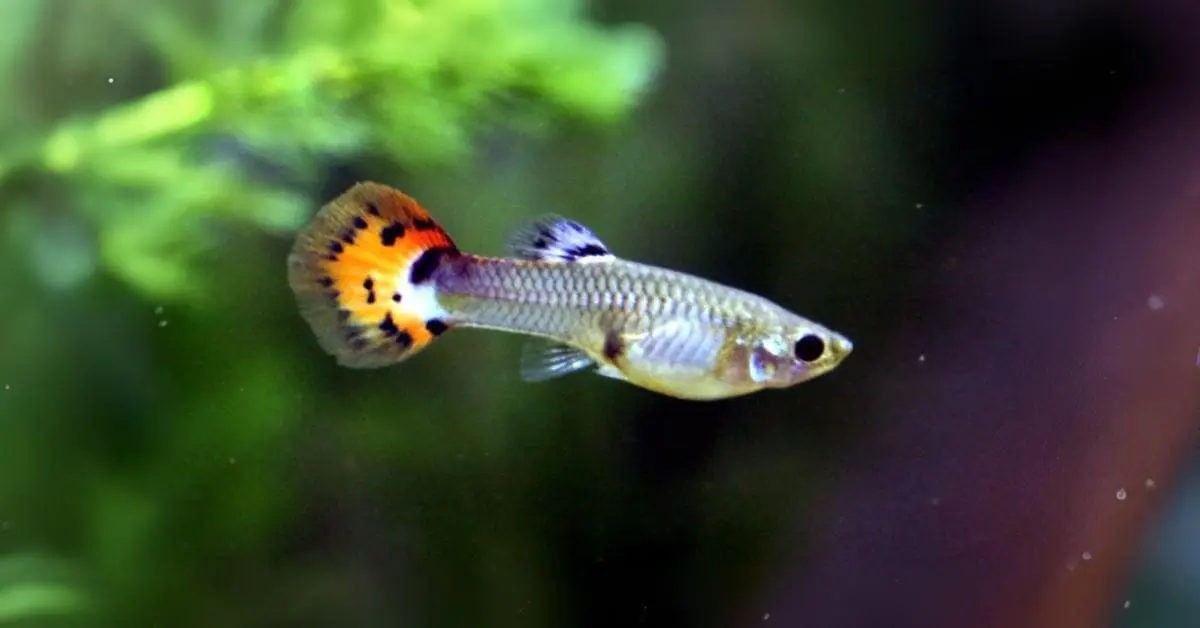
Essential Care Tips for Your Guppy Fish
Caring for guppies is a rewarding experience. There are various Essential Care Tips for Your Guppy Fish in an aquarium. It requires a basic understanding of their needs. These colourful fish are popular among aquarium enthusiasts, and proper care is vital for ensuring their health and longevity. There are 100+ guppy varieties, and new ones are introduced regularly. The average life span of guppies is 2-3 years with proper care. Guppies thrive in clean water with a stable temperature, ideally between 74°F and 82°F. Regular monitoring of water conditions is essential.
Essential Care Tips for Your Guppy Fish – Tank and water
The tank size should be at least 20 litres (5 gallons) for a small group of guppies. The temperature should be 24–28°C (room heater is best in winter) and maintain a pH level of 6.8-7.8. Check the temperature regularly. Remove leftover food from the tank. Also, observe fish behaviour. Change 20-30% of the water once a week, and use dechlorinated water. Don’t change all the water at once. Guppies hate sudden changes.
Essential Care Tips for Your Guppy Fish – Tank Setup
For decoration, use gravel or sand at the bottom. Add live plants (guppy grass, hornwort, Java fern). Keep good filtration avoid powerful water flow. Sponge filters for guppies are best because they remove fish waste, support beneficial bacteria, keep water clear, and reduce the risk of fish disease. Good aeration is enough. Plants help baby guppies hide and reduce stress.
Food
Feeding guppies is relatively simple, as they are not picky eaters. A varied diet is essential for their overall health. Feed guppies 2 times a day, only what they finish in 1–2 minutes. Use quality guppy flakes or micro pellets. Feed boiled & mashed spinach, peas (no skin) once or twice a week—occasional live or frozen food (daphnia, bloodworms). Overfeeding can cause dirty water and lead to sick fish.
How many guppies and compatibility
If you keep 1 male guppy, keep 2-3 female guppies, as males often chase females. Good tank mates for guppies include mollies, neon tetras, platies, and corydoras. Avoid aggressive fish, such as bettas or tiger barbs.
Breeding
Guppies give live babies. Babies are born every 25-30 days. If you want babies to survive, add dense plants or briefly move a pregnant female into a breeding box.
Signs of a healthy guppy
- Bright coloration
- Schools when appropriate
- Regular and active swim pattern
- Large appetite
- Full range of fin motion, equal on both sides
- Intact fins with no discoloration
When to call a veterinarian for your guppy
- White growths/spots of any kind
- Abnormal or lethargic swim pattern such as circling, listing to the side, or staying on the top or bottom of the tank
- Rapid breathing, potentially with flared gills
- Gill color changes, usually pale or red
- Swimming separately from other guppies consistently
- Presence of lumps/bumps/masses
- Decreased appetite for more than a day
- Changes in coloration
- Bulging eyes with or without a color change
- Bloated appearance with scales flared outward instead of laying flat
- Receding fin edges with or without discoloration at the edges
- Itching
Common Illnesses in Guppies
- Dropsy (fluid-filled coelomic cavity)
- Fin/tail rot
- Swim bladder disorders
- Pop eye
- Fungal, oral, or skin infections
- Cancer
- Ich
- Parasites
- Bacterial infections