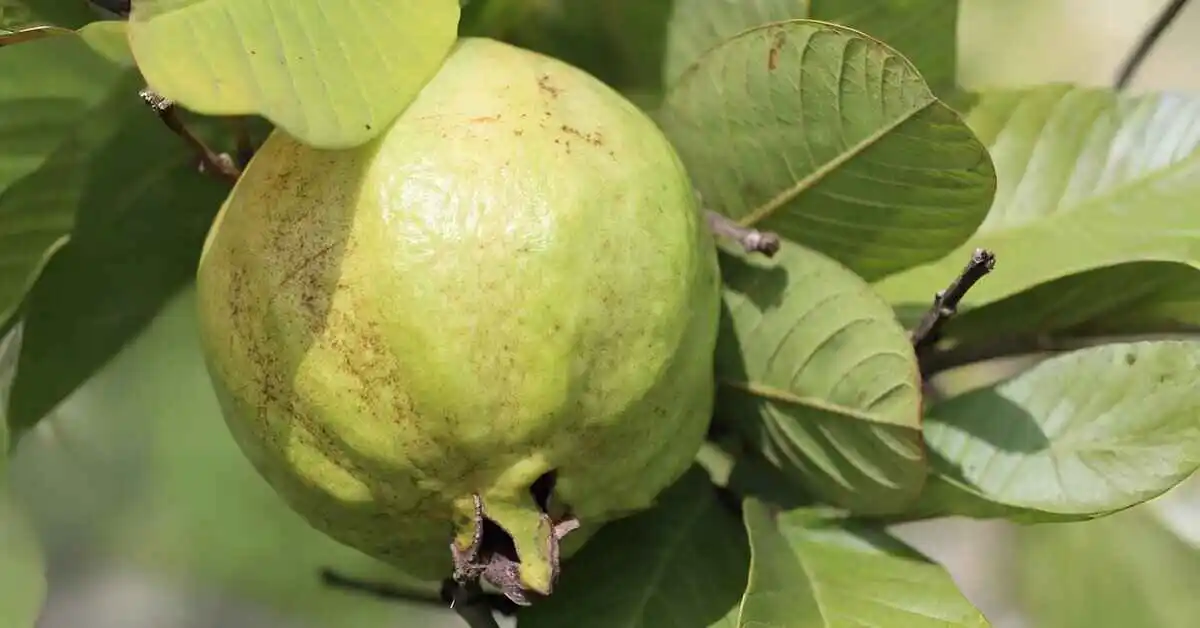
Complete Guide on How to Grow Guava from Seed
Complete guide on how to grow guava from seed, as guava is one of the easiest tropical and subtropical fruit plants to start from seed. And guava is also one of the most rewarding fruits. A small guava seed can grow into a healthy fruit-bearing tree with the right care, patience, and growing conditions. Many home gardeners love guava because it grows well in warm climates, adapts to both container and ground planting, and produces fragrant, sweet fruits packed with nutrients.
Growing guava from seed is not the fastest way to get fruit, but it is a great method for gardeners who want to experiment, save money, or simply enjoy the process of growing a tree from the beginning. It is also a useful skill if you want to grow guava at home without having to buy nursery plants. With proper seed selection, soil preparation, watering, sunlight, and long-term maintenance, you can grow a strong guava plant that may eventually reward you with delicious fruit.
This guide will explain everything you need to know about growing guava from seed, from choosing the right fruit to transplanting, caring for it, flowering, and fruit production. Whether you are a beginner or an experienced gardener, this step-by-step article will help you grow guava successfully.
Complete Guide on How to Grow Guava from Seed – What Is Guava?
Guava is a tropical fruit from the Myrtaceae family. The fruit is usually round or oval and can have green, yellow, or pale skin, depending on the variety. The flesh may be white, pink, red, or yellow. Guava is known for its sweet aroma, refreshing taste, and high nutritional value.
Guava trees are usually small to medium-sized and can grow in gardens, orchards, or even large pots. They can tolerate different soil types, but they grow best in warm, sunny, and well-drained conditions. Guava plants are popular in many parts of the world because they are hardy, productive, and relatively low-maintenance once established.
Complete Guide on How to Grow Guava from Seed – Why Grow Guava from Seed?
There are several reasons why growing guava from seed is worth trying.
First, it is affordable. You do not need to buy a grafted sapling if you have access to a ripe guava fruit. Second, it is satisfying. Watching a seed sprout and develop into a tree is one of the most enjoyable experiences in gardening. Third, guava seeds are easy to collect and sow. You do not need advanced tools or complicated methods.
However, it is important to note that seed-grown guava trees may not produce fruit identical to the parent tree. The size, sweetness, color, and quality can vary. For consistent fruit quality, grafted plants are usually preferred by commercial growers. Still, growing from seed is excellent for home gardeners, hobbyists, and anyone who wants to learn the full growth process.
Complete Guide on How to Grow Guava from Seed – Can You Grow Guava from Seed Successfully?
Yes, you can successfully grow guava from seed. In fact, guava seeds germinate fairly easily if they are fresh and handled correctly. The main challenges are patience and proper care. Seeds may take time to sprout, and the young plants need steady warmth, moisture, and sunlight.
The success rate is usually higher when you use fresh seeds from a ripe fruit. Old or dried-out seeds may take longer to germinate or may not sprout at all. Once the seedling grows, it needs careful attention in the early stages to develop into a healthy plant.
Complete Guide on How to Grow Guava from Seed – Best Time to Grow Guava from Seed
The best time to start guava seeds is during warm weather. Guava seeds germinate faster when temperatures are consistently warm. If you live in a tropical or subtropical climate, you can sow seeds almost any time of the year, but spring and early summer are especially favorable.
If you live in a cooler region, start seeds indoors or in a protected area where temperatures remain warm. Guava is sensitive to frost, so young plants should be kept away from cold drafts and low temperatures.
Complete Guide on How to Grow Guava from Seed – Choosing the Right Guava Fruit for Seeds
The first step in growing guava from seed is choosing the right fruit. Pick a fully ripe guava because ripe fruit contains mature seeds that are more likely to germinate.
A ripe guava usually has a strong fragrance and slightly soft skin. The color may vary by variety, but the fruit should not be hard or unripe. Avoid fruits that are rotten, damaged, or overly dried out.
If possible, choose a healthy-looking guava from a plant known for high-quality fruit. Even though seed-grown plants may vary, starting with quality fruit gives you a better chance of getting healthy seeds.
Complete Guide on How to Grow Guava from Seed – How to Collect Guava Seeds
Collecting guava seeds is simple. Cut the fruit open and scoop out the pulp with the seeds, which are usually small, hard, and yellowish or pale brown.
You can separate the seeds by washing them gently in water to remove the pulp. This is important because leftover fruit pulp may encourage mold growth during germination. After washing, spread the seeds on a clean paper towel and let them air dry for a short time. Do not dry them for too long if you plan to sow them soon, because fresh seeds usually germinate better.
Some gardeners prefer to sow the seeds immediately after cleaning them. This is often the best method because guava seeds tend to lose viability if stored for too long.
Complete Guide on How to Grow Guava from Seed – How to Prepare Guava Seeds for Planting
Guava seeds have a hard outer coat, so simple preparation can improve germination. Here are the most common ways to prepare them:
You can soak the seeds in clean water for 12 to 24 hours before sowing to promote better growth. Soaking softens the seed coat and may help speed up germination. Another method is to gently rub the seeds with a tissue or fine sandpaper, but do so carefully to avoid damaging the seeds.
Fresh seeds that come directly from ripe fruit often do well without special treatment. Still, soaking is a helpful step for better results.
Complete Guide on How to Grow Guava from Seed – Best Soil for Growing Guava from Seed
Guava seedlings need light, fertile, and well-draining soil. The soil should hold enough moisture for the seeds to germinate without becoming waterlogged. Heavy clay soil can make it difficult for young roots to grow, while extremely sandy soil may dry out too fast.
A good seed-starting mix can include garden soil, compost, coco peat, and a little sand or perlite for drainage. If you are planting in pots, use a loose potting mix that drains well. The soil should be slightly acidic to neutral for the best growth.
Good drainage is very important. Guava roots do not like standing water, and poor drainage can lead to root rot, slow growth, or seedling failure.
Complete Guide on How to Grow Guava from Seed – Choosing the Right Container
If you are growing guava from seed in containers, choose small pots, trays, or seedling cups with drainage holes. You can start several seeds in one tray and later transplant the strongest seedlings.
A shallow tray works well for initial germination, but once the seedlings develop a few true leaves, they should be moved into individual pots. This gives each plant enough space for root development.
For later growth, use a pot that is at least 8 to 12 inches wide. Also, as the plant grows, you will need to repot it into a larger container or move it into the ground.
Complete Guide on How to Grow Guava from Seed – Step-by-Step Guide to Growing Guava from Seed
Growing guava from seed is not difficult if you follow the right steps. Here is a simple process you can use.
Step 1: Collect fresh seeds
Choose a ripe guava fruit, remove the seeds, and clean them thoroughly.
Step 2: Soak the seeds
Soak the seeds in water for 12 to 24 hours to help improve germination.
Step 3: Prepare the soil
Fill a seed tray or small pot with a moist, well-draining seed-starting mix.
Step 4: Sow the seeds
Place the seeds on the soil surface and cover them lightly with a thin layer of soil, about 1/4 inch deep. Do not bury them too deeply.
Step 5: Water gently
Mist the soil or water lightly so the soil stays evenly moist but not soaked.
Step 6: Keep warm
Place the container in a warm, indirect-sun location. A temperature range of about 70°F to 85°F is ideal for germination.
Step 7: Wait for sprouting
Be patient. Guava seeds may take a few weeks to germinate, depending on seed freshness and growing conditions.
Step 8: Transplant seedlings
When seedlings develop several true leaves and become strong enough to handle, move them into individual pots.
Complete Guide on How to Grow Guava from Seed – How Long Do Guava Seeds Take to Germinate?
Guava seeds usually take between 2 and 8 weeks to germinate, although the timing can vary. Fresh seeds in warm conditions often sprout faster, while older seeds may take longer.
The germination time depends on several factors, including seed freshness, soil temperature, moisture level, and seed quality. Keeping the environment warm and moist improves the chances of quick sprouting.
Do not lose patience if the seeds do not sprout immediately. Guava can be slow to emerge, but once the seedlings do, they often grow steadily.
Complete Guide on How to Grow Guava from Seed – How to Care for Guava Seedlings
The early seedling stage is the most delicate phase of guava growth. Young plants need careful watering, enough light, and good air circulation.
Keep the soil lightly moist, but never soggy, for the best growth. Also, overwatering is one of the most common mistakes. Too much water can cause damping-off, root rot, or fungal issues. At the same time, do not allow the soil to dry out completely.
Guava seedlings need bright light to grow strong. A sunny window, greenhouse, or outdoor location with filtered sunlight works well. If the seedlings are indoors, make sure they receive enough light each day so they do not become weak and leggy.
When seedlings are a few inches tall and have several sets of leaves, they can be transplanted into larger pots.
Complete Guide on How to Grow Guava from Seed – Sunlight Requirements for Guava Plants
Guava is a sun-loving plant. For best growth and fruiting, it needs full sun. Mature guava trees grow best when they receive at least 6 to 8 hours of direct sunlight each day.
Young seedlings should be protected from harsh afternoon sun if they are too tender, but they still need good light. As the plant matures, more direct sunlight helps it become stronger and produce more flowers and fruit.
If a guava does not get enough sunlight, growth may slow down, and fruit production may decline. Leaves may also become pale, and the plant may look weak.
Watering Guava from Seed to Maturity
Watering is one of the most important parts of guava care. Guava seedlings need regular moisture, but the soil should never stay wet for too long.
In the seedling stage, water when the top layer of soil starts to feel slightly dry. Use a gentle watering method to avoid disturbing the seeds or roots. Once the plant becomes established, water deeply but less frequently. This encourages stronger roots.
During hot weather, container-grown guava may need more frequent watering. In cooler weather, reduce watering to prevent excess moisture. Also, the goal is to keep the soil evenly moist, not soggy.
Signs of overwatering include yellowing leaves, soft stems, fungal growth, and drooping despite wet soil. Signs of underwatering include dry soil, curled leaves, and slow growth.
Fertilizing Guava Plants
Guava plants benefit from regular feeding, especially once they begin active growth. Young seedlings do not need heavy fertilization right away. Too much fertilizer can damage delicate roots.
After the seedlings are established, you can begin feeding them with a balanced, diluted fertilizer. Organic compost, worm castings, or mild liquid fertilizer can support healthy growth.
As the plant matures, use fertilizers that support both vegetative growth and fruiting. A balanced fertilizer with nitrogen, phosphorus, and potassium works well; compost and other organic matter are also excellent because they improve soil structure and slowly release nutrients to plants.
Avoid overfertilizing, as too much nitrogen can lead to excessive leafy growth but fewer flowers and fruit.
Transplanting Guava Seedlings
When your guava seedlings are several inches tall and have enough roots to hold the soil in place, transplant them into larger pots or a garden bed.
Choose a cloudy day or transplant in the evening to reduce stress for the best growth. Water the seedling before removing it from the container. Also, be gentle with the roots, and try not to disturb them too much.
After transplanting, water the plant well and keep it in partial shade for a few days if necessary. This helps the seedling recover and settle into its new home.
If planting in the ground, choose a sunny, open location with good drainage. Also, avoid low areas where water collects after rain.
Growing Guava in Pots
Guava can be grown successfully in pots, which is a great option for home gardeners with limited space, as container growing allows you to control soil quality, watering, and sunlight more easily.
Choose a large pot with drainage holes. Use rich, loose potting soil mixed with compost. Also, place the pot in a sunny area and water consistently.
As the plant grows, it will need to be repotted into a larger container to support optimal growth. A dwarf or compact guava variety may be better suited for pots, but seed-grown plants can also be maintained in containers with regular pruning.
Potted guava may need more frequent watering and feeding than ground-planted trees because nutrients and moisture wash out faster.
Growing Guava in the Ground
If you have warm weather and enough garden space, growing guava in the ground can produce a stronger and larger plant. Ground-planted trees generally develop better root systems and may fruit more heavily over time.
Prepare the planting site by loosening the soil and mixing in compost for the best growth. Also, make sure the area receives full sun and drains well. Dig a hole large enough for the root ball, place the plant gently, and water thoroughly after planting.
Mulching around the base can help retain moisture and suppress weeds, but keep mulch a few inches away from the trunk to prevent rot.
Pruning Guava Plants
Pruning helps guava plants stay healthy, manageable, and productive. It encourages branching and makes harvesting easier.
Young guava plants should be allowed to grow strong before heavy pruning. Once the plant is established, you can pinch or trim the top to encourage side branches. This creates a bushier shape and can help the plant produce more fruiting wood.
Remove dead, damaged, weak, or crossing branches. If the plant becomes too tall or crowded, pruning can improve airflow and sunlight penetration. Better airflow also reduces disease risk.
Always use clean, sharp pruning tools.
How to Protect Guava from Pests and Diseases
Guava is a hardy plant, but it can still face pest and disease problems. Also, common pests may include aphids, scale insects, mealybugs, whiteflies, and fruit flies. Some pests feed on leaves, stems, or fruit, weakening the plant.
Regular inspection helps you catch problems early. If pests appear, you can often remove them by hand, spray them with water, or use mild, organic pest-control methods such as neem-based products.
Disease problems may occur if the plant is overwatered or grown in poor conditions. Fungal infections, root rot, and leaf spots are more likely in wet, crowded, or poorly drained environments.
Good soil drainage, proper spacing, moderate watering, and clean pruning practices can prevent many issues.
How to Make Guava Grow Faster
Although guava is not the fastest fruit tree, you can encourage better growth by giving it ideal conditions.
Use fresh seeds and start them in warm weather. Provide plenty of sunlight. Keep the soil fertile and well-drained. Water regularly, but avoid waterlogging. Repot seedlings as they grow so roots do not become crowded. Feed the plant lightly and prune it to encourage branching.
A healthy guava plant will grow more quickly than a stressed one. Consistent care matters more than heavy feeding or watering.
When Will a Guava Tree Bear Fruit?
This is one of the most common questions gardeners ask, as guava trees grown from seed usually take longer to fruit than grafted plants. Depending on growing conditions, a seed-grown guava tree may take anywhere from 2 to 6 years, and sometimes longer, before producing fruit.
The exact time depends on variety, climate, soil, care, and plant health. Trees grown under ideal tropical conditions, with full sun and good nutrition, may fruit earlier. Plants under stress may take longer.
Patience is essential. Even though seed-grown guava takes time, the process can be very rewarding.
What Affects Fruit Quality in Seed-Grown Guava?
Since guava grown from seed is genetically variable, fruit quality may not be identical to the fruit from which you took the seeds. Some seed-grown plants produce excellent fruit, while others may be less sweet or smaller.
The final fruit quality is influenced by the plant’s genetics, climate, soil fertility, watering, pruning, and sunlight. Better care usually results in better fruit, even if the plant itself is genetically unique.
If your main goal is predictable fruit quality, grafted guava may be a better option. If your goal is to enjoy growing from seed and see what develops, seed propagation is a fun and worthwhile method.
Common Mistakes When Growing Guava from Seed
Many beginners make simple mistakes that reduce their chances of success. One common mistake is using old seeds. Fresh seeds germinate better and faster.
Another mistake is overwatering. Guava seeds and seedlings need moisture, but too much water causes rot. Planting seeds too deeply is also a problem because they may struggle to emerge.
Poor lighting can make seedlings weak and spindly. Also, using heavy, compact soil can suffocate roots. And moving the plant too quickly into harsh outdoor conditions can shock young seedlings.
Avoiding these mistakes will significantly improve your success rate.
How to Harden Off Guava Seedlings
If your seedlings were grown indoors or in a protected area, they need to be gradually adjusted before being moved outside permanently. This process is called hardening off.
Start by placing the seedlings outside in partial shade for a few hours each day. Slowly increase time spent outdoors and sunlight exposure over 7 to 14 days. This helps the plant adapt to wind, direct sun, and temperature changes.
Skipping this step can cause leaf scorch or transplant shock.
Best Climate for Guava Growth
Guava grows best in warm climates with plenty of sunshine. It thrives in tropical and subtropical regions and can tolerate brief warm dry periods once established.
The plant does not like frost. Cold temperatures can damage young plants and reduce growth. If you live in a cooler area, grow guava in pots so you can move it indoors during cold weather.
High humidity is not always necessary, but warm and stable temperatures are very helpful for good growth and fruit production.
How to Harvest Guava
When your guava tree finally produces fruit, harvest it when the fruit begins to soften and develop a strong fragrance. The skin color may also change slightly depending on the variety.
Gently twist the fruit or cut it from the branch. Also, avoid pulling too hard, as this can damage the plant.
Ripe guavas are delicious eaten fresh, blended into smoothies, made into jams, or used in desserts. Harvesting at the right stage gives the best guava flavor.
Can Guava Be Grown Indoors?
Guava can be grown indoors temporarily, especially when it is young or if you live in a cold climate. However, for long-term healthy growth and fruiting, it requires ample sunlight and space.
If you grow guava indoors, place it near a bright sunny window or use grow lights. Make sure the pot drains well, and do not let the soil stay wet. Indoor growing works best for young plants or compact varieties.
Eventually, the plant will usually do better outdoors in warm weather.
How to Care for a Guava in the First Year
The first year is very important because it shapes the tree’s future health. During this period, focus on strong root development, regular watering, and good light.
Do not rush pruning or heavy fertilization. Let the plant establish itself. Keep it free of pests, move it to larger pots as needed, and protect it from cold temperatures.
A well-cared-for young guava plant will be much more likely to become a productive tree later.
Benefits of Growing Guava at Home
There are many benefits to growing your own guava tree. Homegrown fruit is fresh and flavorful. You also know how it was grown, which gives you more control over the care and soil conditions.
Guava trees can add beauty to your garden with their glossy leaves and attractive growth. They can also be a great educational project for children and beginner gardeners.
In addition, guava fruit is valued for its nutritional content and versatility in the kitchen.
Tips for Better Success
Start with fresh seeds from a ripe fruit. Use a light, well-draining soil mix. Keep the seeds warm and moist. Provide strong sunlight after germination. Transplant carefully and avoid disturbing the roots. Water consistently but not excessively. Feed lightly and prune as needed. Be patient, because fruiting takes time.
These simple habits can make a big difference in the long-term success of your guava plant.
Conclusion
Growing guava from seed is a fun, economical, and rewarding gardening project. It may take patience, but the process is simple and accessible to beginners. By choosing fresh seeds, preparing the right soil, maintaining warmth and moisture, and giving the young plant enough sunlight and care, you can grow a healthy guava tree from a tiny seed.
While seed-grown guava may not always produce fruit identical to the parent fruit, it still offers the joy of watching a plant develop from the very beginning. Whether you grow it in a pot or in the ground, guava can become a beautiful and productive addition to your home garden.
If you want a plant-growing journey that combines learning, patience, and reward, guava is an excellent choice. With time and consistent care, your little seed can grow into a strong tree and one day provide fresh, sweet fruit for your home.
Frequently Asked Questions About Growing Guava from Seed
How long does it take to grow a guava from seed?
Guava seeds may germinate in 2 to 8 weeks, but fruiting can take several years, depending on growing conditions.
Do guava seeds need to be dried before planting?
Fresh seeds usually germinate better, so it is best to plant them soon after removing them from ripe fruit.
Can guava grow in pots?
Yes, guava can grow in pots if the container is large enough and the plant gets enough sunlight.
Does guava need full sun?
Yes, guava grows best in full sun and needs several hours of direct sunlight daily.
Will seed-grown guava produce good fruit?
It may, but fruit quality can vary because seed-grown plants are not always identical to the parent tree.