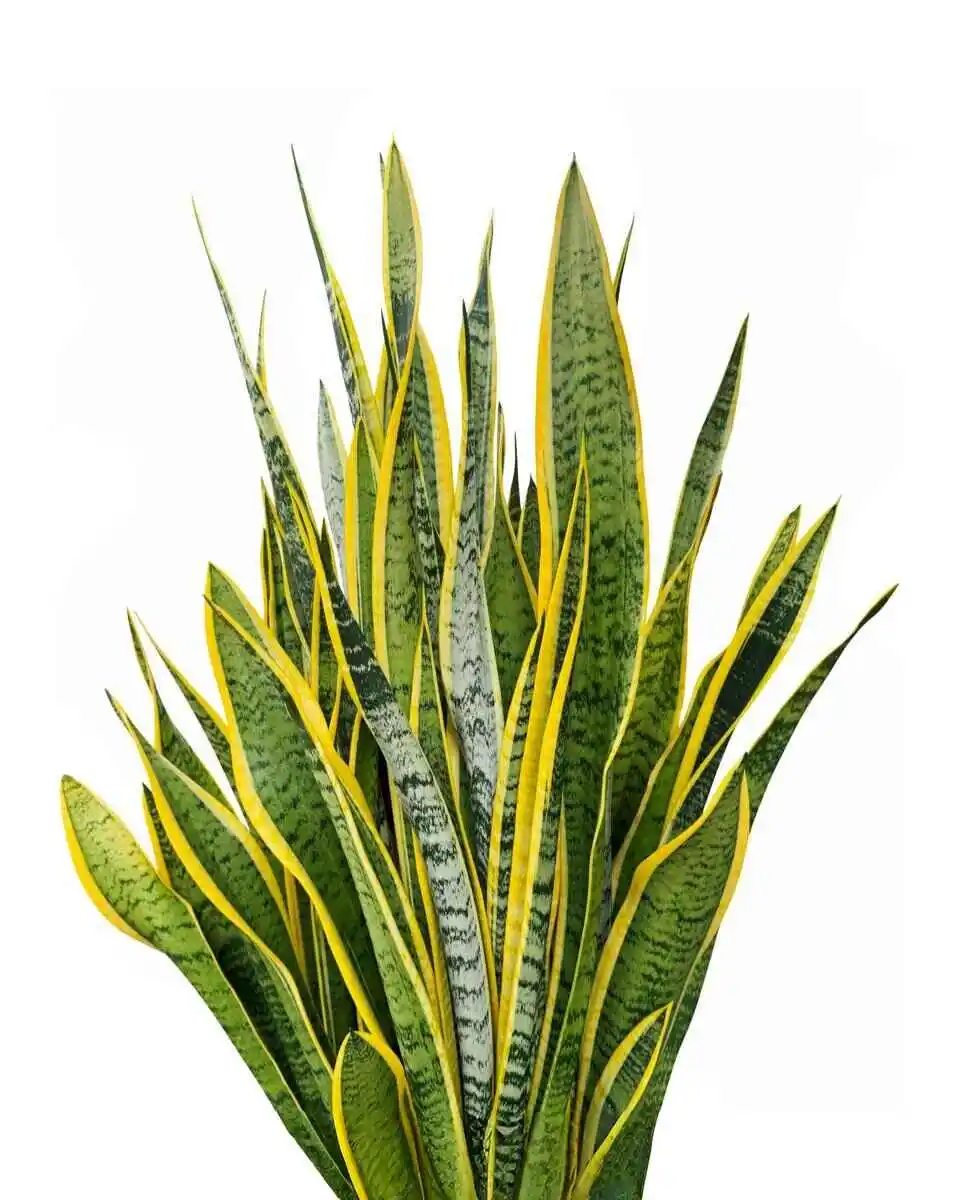
Complete Guide on How to Grow a Snake Plant
A complete guide on how to grow a Snake plant, as it is one of the easiest and most rewarding houseplants to grow. It is loved for its bold, upright leaves, low-maintenance nature, and ability to survive in many indoor conditions. Whether you are a complete beginner or already have some experience with houseplants, learning how to grow a snake plant can help you keep it healthy for many years.
This plant is also called Sansevieria in many gardening guides, though its botanical classification has changed over time. Some people call it mother-in-law’s tongue, while others know it as the devil’s tongue or viper’s bowstring hemp. Whatever name you use, the snake plant remains one of the most popular indoor plants because it is attractive, tough, and adaptable.
In this complete guide, you will learn everything you need to know about growing snake plants successfully. We will cover soil, water, sunlight, potting, propagation, fertilizer, common problems, repotting, and long-term care. By the end, you will have a clear understanding of how to grow a snake plant indoors or outdoors with confidence.
Complete Guide on How to Grow a Snake Plant – What Is a Snake Plant?
Snake plant is a hardy, evergreen, perennial plant known for its long, upright leaves that often grow in a sword-like shape. The leaves may be dark green, light green, yellow-edged, silver, or striped, depending on the variety. Some types stay short and compact, while others can grow quite tall.
One reason the snake plant is so popular is that it can tolerate neglect better than many other houseplants. It does not need frequent watering, it can handle low light, and it is fairly resistant to pests. That makes it perfect for busy people, also for first-time plant owners, and anyone who wants a beautiful indoor plant with minimal effort.
Snake plants are often used in homes, offices, balconies, and even bedrooms because they have a neat appearance and grow slowly. Also, they can fit well in modern, minimal, and traditional interiors.
Complete Guide on How to Grow a Snake Plant – Benefits of Growing Snake Plant
There are many reasons people choose to grow snake plants.
First, it is extremely low-maintenance. You do not need to water it every few days or worry too much if you forget once in a while. Second, it grows well in a wide range of indoor lighting conditions. Third, it is known for its air-purifying qualities and is often kept indoors for its fresh, clean look.
Snake plant is also a long-lasting plant. With proper care, one plant can live for many years and even produce new shoots that can be separated and grown into new plants. It is also a great decorative plant because its vertical shape adds height and structure to any room.
Another advantage is that the snake plant is drought-tolerant. This means it stores water in its leaves and can survive dry conditions better than many other plants. Because of this, it is a good choice for people who travel often or have a busy schedule.
Complete Guide on How to Grow a Snake Plant – Best Snake Plant Varieties
There are many snake plant varieties, and each has its own look and growth style.
Sansevieria trifasciata is the classic snake plant. It has tall, stiff leaves with green bands and sometimes yellow margins.
Sansevieria ‘Laurentii’ is a very common variety. It has dark green leaves and yellow edges.
Sansevieria ‘Moonshine’ has beautiful silvery-green leaves and gives a softer, modern look.
Sansevieria cylindrica has round, spear-like leaves rather than flat ones. It looks unique and sculptural.
Sansevieria ‘Hahnii’ is a dwarf variety that forms a low rosette shape and works well on tabletops.
Sansevieria ‘Black Gold’ has deep green leaves with golden borders, creating a dramatic appearance.
Choosing the right variety depends on your space, style, and preference. All of them are relatively easy to grow, though their size and shape vary.
Complete Guide on How to Grow a Snake Plant – Ideal Climate for Snake Plant
Snake plant grows best in warm, stable indoor temperatures. It prefers temperatures between 18°C and 30°C. It does not like frost or freezing temperatures, so in colder climates it should be kept indoors.
This plant is tolerant of dry air, which makes it suitable for homes with air conditioning or lower humidity. It does not require high humidity to thrive. In fact, too much moisture in the air, combined with poor airflow, can sometimes lead to rot or fungal problems.
If you live in a tropical or subtropical climate, the snake plant can do well outdoors in shaded or partially shaded areas. However, it should be protected from heavy rain and strong direct afternoon sun.
Complete Guide on How to Grow a Snake Plant – Best Place to Grow Snake Plant
The best place to grow a snake plant is a bright indoor spot with indirect sunlight. A room with a window that gets filtered light is ideal. Snake plant can also survive in lower light, but growth will be slower, and leaves may lose some of their vibrant color.
You can place it near an east-facing window, near a north-facing window, or a few feet away from a south- or west-facing window. The key is to avoid prolonged exposure to harsh direct sunlight, especially during hot summer afternoons, as it can scorch the leaves.
Snake plants are often kept in living rooms, offices, bedrooms, hallways, and balconies. They also do well in bathrooms if there is enough light and the room does not stay too damp.
If you are growing snake plant outdoors, choose a bright shaded area where it gets morning light and protection from strong sun and heavy rain.
Complete Guide on How to Grow a Snake Plant – How to Choose the Right Pot
Choosing the right pot is very important for snake plant health. The most important factor is drainage. Also, snake plants do not like sitting in water, so the pot must have drainage holes at the bottom.
A terracotta pot is often a good choice because it allows moisture to evaporate faster. This can help prevent overwatering. Plastic pots can also work, but they hold moisture longer, so watering should be done more carefully.
The pot should not be too large. Snake plant prefers being slightly root-bound. A pot that is too big holds extra soil and more water, which can increase the risk of root rot. When repotting, choose a container only slightly larger than the current one.
If you want a decorative outer pot without drainage, use it as a cachepot and place the snake plant in a smaller nursery pot with drainage holes. Remove the inner pot when watering and let excess water drain completely before putting it back.
Complete Guide on How to Grow a Snake Plant – Best Soil for Snake Plant
Soil is one of the most important factors in successfully growing a snake plant. The plant needs well-draining soil that does not stay soggy after watering.
A regular garden soil mixture is usually too dense. Instead, use a cactus or succulent potting mix. These mixes are designed to drain quickly and prevent water from collecting around the roots.
You can also make your own mix by combining regular potting soil with coarse sand, perlite, or pumice. A loose, airy texture is best. The soil should allow water to pass through easily while still holding enough moisture for the roots to absorb.
A simple homemade mix can be made with:
- 2 parts potting soil
- 1 part perlite or pumice
- 1 part coarse sand
This creates a well-draining medium that works well for most snake plants.
Avoid heavy clay soil, compacted garden soil, or potting mixes that remain wet for too long. These can cause root rot and other problems.
Complete Guide on How to Grow a Snake Plant – How to Plant a Snake Plant
Planting a snake plant is simple if you follow the right steps.
First, choose a pot with drainage holes. Add a layer of well-draining soil to the bottom. Place the snake plant in the center and fill around it with more soil, keeping the base of the plant at the same level it was in the previous container.
Do not bury the leaves too deeply. The crown of the plant should remain above the soil surface. Press the soil lightly around the roots to hold the plant in place, but do not pack it too tightly.
After planting, water lightly only if the soil is dry. If the soil is already slightly moist, wait before watering. New plants or repotted plants should be given a few days to settle before receiving more water.
Complete Guide on How to Grow a Snake Plant – How Much Light Does Snake Plant Need?
Snake plant is famous for its ability to tolerate low light, but it grows best in bright, indirect light. That means it can live in dim corners, but it will be healthier and more vigorous in brighter spots.
In low light, the plant may grow slowly, and the leaves may become thinner or less colorful. In moderate to bright indirect light, the leaves tend to grow stronger and more upright.
A little morning sun is usually fine. Too much direct afternoon sunlight can cause leaf burn, especially in very hot weather. If the leaves begin to look pale, yellow, or scorched, the plant may be getting too much light. If the plant is leaning toward the window or becoming weak and stretched, it may need more light.
Also, rotate the pot every few weeks so the plant grows evenly on all sides.
Complete Guide on How to Grow a Snake Plant – How Often to Water Snake Plant
Watering is where many people make mistakes with snake plants. This plant does not need frequent watering; in fact, overwatering is one of the most common causes of snake plant death.
Also, the general rule is to water only when the soil is completely dry. Before watering, check the soil with your finger or use a moisture meter if you have one. If the top several inches of soil are dry and the pot feels light, it is usually safe to water.
In warm seasons, you may need to water every 2 to 3 weeks, depending on light, pot size, temperature, and humidity. In cooler months, watering may drop to once a month or even less.
When you water, do it thoroughly. Also, let water run through the pot until it drains out from the bottom. Also, empty any excess water from the saucer and never let the plant sit in water.
It is better to underwater the snake plant than to overwater it. This plant can recover from dryness much more easily than from soggy roots.
Complete Guide on How to Grow a Snake Plant – Signs of Overwatering and Underwatering
Knowing the signs of watering problems can save your plant.
Overwatering signs:
- Yellow leaves
- Soft, mushy leaves
- Drooping or collapsing leaves
- Brown, mushy base
- Rotten smell from the soil
- Root rot
Underwatering signs:
- Dry, curled leaves
- Wrinkled or thin leaves
- Slow growth
- Brown tips
- Soil pulling away from the pot
If the leaves become soft and yellow, check the roots right away. If they are brown and mushy, root rot may already have started. Remove damaged roots, trim soft leaves, and repot the plant in fresh, dry soil.
Complete Guide on How to Grow a Snake Plant – Fertilizer for Snake Plant
Snake plant does not need heavy feeding. It grows slowly and can survive with very little fertilizer. However, occasional feeding can help improve growth during the active growing season.
Use a balanced liquid houseplant fertilizer or a succulent fertilizer diluted to half strength. Feed once every 4 to 6 weeks during spring and summer. Also, do not fertilize in winter, when growth slows.
Too much fertilizer can burn the roots or cause weak, soft growth. If you are unsure, use less rather than more. Some growers even skip fertilizer entirely and still keep healthy snake plants.
How to Repot Snake Plant
Snake plant does not need frequent repotting. In fact, it often grows well when slightly root-bound. Repot only when the roots are crowded, the pot is cracking, the plant becomes top-heavy, or water runs through too quickly because the pot is full of roots.
Also, a good time to repot is in spring or early summer when the plant is actively growing.
To repot:
- Carefully remove the plant from its old pot.
- Then shake off loose soil and inspect the roots.
- Trim away any rotten, black, or soft roots.
- Choose a slightly larger pot with drainage holes.
- Fill the new pot with fresh, well-draining soil.
- Then place the plant in the center and add more soil around it.
- Water lightly after repotting only if the soil is dry.
Be careful not to damage the thick rhizomes and roots too much. Snake plants handle repotting better when done gently.
How to Propagate Snake Plant
One of the best things about the snake plant is that it can be propagated easily. Also, you can create new plants from leaf cuttings or by dividing the rhizomes.
1. Propagation by Division
This is the fastest and most reliable method. When repotting a mature plant, you may notice separate clumps or pups growing from the base. Gently separate these sections, making sure each piece has roots attached. Then put each one in its own container.
Division is the easiest way to get an exact copy of the parent plant.
2. Propagation by Leaf Cuttings
You can also propagate snake plants from leaf cuttings and cut a healthy leaf near the base, then slice it into sections. Also, let the cut ends dry for a day or two before planting them in soil or placing them in water.
If rooting in soil, insert the bottom end into a well-draining mix and keep it slightly moist, not wet. If rooting in water, place the bottom portion in a jar of water and change the water regularly. Once roots form, transfer the cutting to soil.
Keep in mind that leaf cuttings may sometimes lose the yellow edges or variegation of the parent plant, especially in some varieties. Division is usually better if you want the exact appearance preserved.
How fast does a Snake Plant grow?
Snake plant is a slow to moderate grower. Growth depends on light, temperature, watering, and pot size. In brighter light and warm conditions, it may produce new leaves and pups more quickly. In low light, growth may be very slow.
Do not expect it to grow rapidly like some other houseplants. Its beauty lies in its steady, long-lasting growth rather than fast expansion. A healthy snake plant can live for many years and continue producing new leaves over time.
Pruning Snake Plant
Snake plant does not need heavy pruning, but occasional trimming helps keep it neat.
Remove damaged, yellow, broken, or diseased leaves by cutting them near the base with clean scissors or pruning shears. If a leaf tip is brown, you can trim just the tip for appearance, though the damaged part will not grow back.
Do not cut too many healthy leaves at once. Snake plants store energy in their leaves, so removing too much at once can weaken the plant.
Common Snake Plant Problems
Even though the snake plant is hardy, it can still face problems.
Yellow Leaves
Yellow leaves often mean overwatering, poor drainage, or too much direct sun. Check the soil and roots first.
Brown Tips
Brown tips can happen from underwatering, low humidity, salt buildup from fertilizers, or tap water quality. Using filtered water occasionally and avoiding overfertilizing can help.
Soft, Mushy Leaves
This usually means root rot from excess water. Remove the plant from the pot, trim rotten roots, and repot in dry soil.
Wrinkled Leaves
Wrinkling often happens when the plant is too dry or the roots are damaged and cannot take up water properly.
Weak, Falling Over Leaves
This can happen when the plant is getting too little light or too much water. It may also be a sign of overcrowding in the pot.
Slow Growth
Slow growth is normal, but very slow or stopped growth may indicate low light, cold temperatures, or exhausted soil.
Pests and Diseases
Snake plants are not heavily affected by pests, but a few problems can occur.
Also, the most common pests are mealybugs, spider mites, scale insects, and fungus gnats. Mealybugs look like white cottony spots, while spider mites may cause fine webbing and tiny speckles on leaves.
Also, if you see pests, isolate the plant immediately. Wipe leaves with a damp cloth or use insecticidal soap or neem-based spray if suitable. Repeat treatment as needed.
Fungal problems usually occur due to excess moisture. Good drainage, proper watering, and airflow are the best prevention.
Snake Plant Care in Different Seasons
The snake plant care changes slightly with the seasons.
Spring
Spring is a great time for growth. Increase watering slightly if needed, and repot or propagate during this season if necessary.
Summer
Watch for hot sun and avoid letting the plant dry out completely for too long. Water only when the soil is dry.
Monsoon or Rainy Season
Humidity may increase, so be extra careful about overwatering. Outdoor plants should be protected from heavy rain.
Winter
Growth slows down. Water much less and avoid fertilizer. Keep the plant away from cold drafts and frost.
Growing Snake Plant Indoors
Snake plant is one of the best indoor plants because it adapts well to homes and offices. Indoors, the most important things are light, drainage, and careful watering.
Place it in a location with moderate to bright indirect light. Use a pot with drainage holes and a fast-draining soil mix. Avoid overwatering and check the soil before every watering.
Snake plant also works well as a decorative plant in small apartments because it does not take up much horizontal space. Its upright shape makes it ideal for corners, tabletops, shelves, and floor pots.
Growing Snake Plant Outdoors
In warm climates, snake plants can be grown outdoors in pots or garden beds. Also, it prefers partial shade or bright filtered light. Outdoor snake plants should be protected from strong midday sun, excessive rainfall, and cold weather.
Also, if planting in the ground, make sure the soil drains well. Sandy or loose soil works better than heavy clay. In areas with lots of rain, container growing is often safer because the pot allows better control over water.
How to Make Snake Plant Bushier
Some people want a fuller, bushier snake plant. While snake plants naturally grow upright and clump in their own style, you can encourage a fuller look by giving the plant bright indirect light, repotting when crowded, and allowing pups to grow.
Also, healthy plants in bright light are more likely to produce new shoots. Over time, these pups fill out the pot and create a lush appearance.
Avoid cutting too many leaves to shape the plant. The plant looks best when allowed to keep its natural structure.
Is Snake Plant Safe for Pets?
Snake plant is mildly toxic if ingested by pets such as cats and dogs. It contains compounds that can cause stomach upset, drooling, vomiting, or other discomfort if chewed or swallowed.
Because of this, keep the snake plant out of reach of pets and small children. Place it on high shelves, in hanging planters, or in rooms where pets cannot access it.
How Long Does a Snake Plant Live?
Snake plants can live for many years, sometimes decades, with proper care. Because it grows slowly and stores water in its leaves, it is one of the longest-lasting indoor plants. Regular care, good drainage, and proper light can help it stay attractive for a very long time.
Tips for Healthy Snake Plant Growth
Here are some simple but effective tips for growing snake plants successfully:
Keep the Snake plant in a pot with drainage holes.
Use a loose, well-draining soil mix.
Water only when the soil is dry.
Give it bright indirect light for best growth.
Avoid cold drafts and frost.
Do not overfertilize.
Repot only when necessary.
Watch for signs of root rot or pests.
Rotate the pot occasionally for even growth.
Be patient, because the snake plant grows slowly.
Frequently Asked Questions
How often should I water the snake plant for the best growth?
Water the snake plant only when the soil is completely dry. In many homes, that means every 2 to 4 weeks, but it can vary depending on conditions.
Can a snake plant survive in a low-light environment?
Yes, snake plants can survive in low light, but they grow better in bright indirect light.
Why is my snake plant turning yellow?
Yellow leaves usually mean overwatering or poor drainage, though too much sun can also be a cause.
Can a snake plant grow in water?
Snake plant cuttings can root in water for propagation, but long-term growth is usually better in soil.
Does a snake plant need direct sunlight?
No, it does not need direct sunlight. Bright indirect light is best.
How do I know if my snake plant is having root rot?
Soft leaves, a rotten smell, and mushy brown roots are common signs of root rot.
Conclusion
Snake plant is one of the easiest and most reliable plants you can grow. It is beautiful, durable, and highly adaptable. With the right pot, well-draining soil, proper light, and careful watering, your snake plant can thrive for many years.
The key to success is simple: do not overwater, use good drainage, and give it enough indirect light. Once you understand these basics, growing a snake plant becomes very easy. Whether you keep one in your home, office, or balcony, it will add a stylish green touch without demanding much attention.
If you are looking for a plant that is hardy, elegant, and beginner-friendly, the snake plant is an excellent choice. With this complete guide, you now have everything you need to grow it with confidence and enjoy its beauty for a long time.