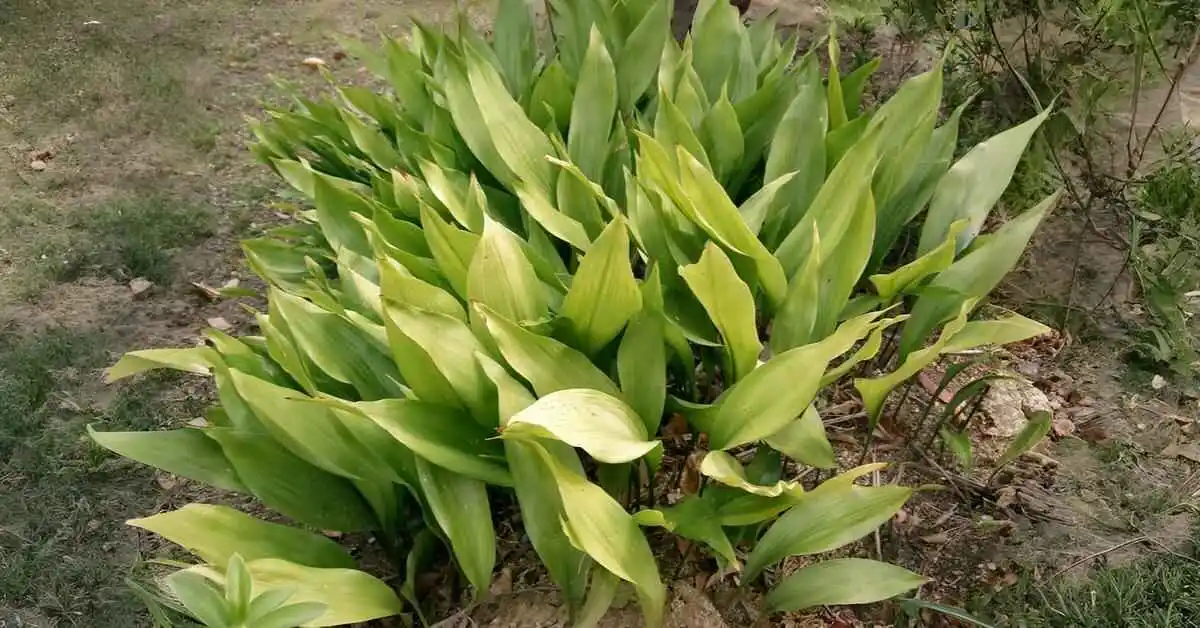
Cast iron plant aspidistra elatior care
Cast iron plant aspidistra elatior care. If a houseplant could be nicknamed the “Iron Man” of indoor greenery, it would be the Cast Iron Plant — Aspidistra elatior. Tough as nails, elegantly simple, and forgiving of our human forgetfulness, this plant has earned its place in homes, offices, and shaded gardens for good reason. In this guide, you’ll get everything you need: botanical background, varieties, light/soil/water rules, repotting, propagation, pest and disease troubleshooting, styling ideas, and a year-round care schedule. Whether you’re a beginner who wants a low-maintenance green companion or an experienced plant parent looking to get the best out of an Aspidistra, this post has you covered.
Cast iron plant aspidistra elatior care – What is the Cast Iron Plant? A quick intro
The Cast Iron Plant, Aspidistra elatior, is a clump-forming perennial native to the shaded understory of East Asia (China, Japan). It’s named for its legendary hardiness — historically, it was prized by Victorian households and later by gardeners for its ability to tolerate neglect, dim light, dust, and irregular watering.
Key features:
- Glossy, leathery, lance-shaped evergreen leaves that grow from a rhizomatous rootstock.
- Leaves can range from 30–70 cm long (roughly 12–28 inches), depending on cultivar.
- Small, inconspicuous, often ground-level flowers (purple-brown) that are usually hidden under the foliage — these are not showy but are interesting if you dig around the base.
- Long-lived and slow-growing, forming dense clumps over the years.
Why people love it:
- Super tolerant of low light and poor conditions.
- Very low-maintenance: forget one watering? No drama.
- Elegant, architectural foliage that complements many interiors and shaded outdoor spots.
- Tolerant of poor air quality and indoor pollutants — a resilient choice for urban spaces.
Cast iron plant aspidistra elatior care – Popular varieties and cultivars
While Aspidistra elatior is the common species, several cultivars offer variations in leaf width, variegation, and habit. Some common ones you might find:
- Aspidistra elatior (standard) — deep green, broad leaves; the classic cast iron plant.
- ‘Lennon’ / ‘Variegata’ — green leaves with cream or yellow variegation (striped or marbled). Variegated cultivars need slightly more light than plain green ones.
- ‘Milky Way’ — speckled variegation; decorative and elegant.
- ‘Asahi’ — narrower, lighter green leaves with a graceful look.
- ‘Nikko’ — compact form, good for containers and smaller rooms.
Variegated forms are more sensitive to very low light than the plain green types (they need enough light to maintain their variegation), but they’re still quite forgiving compared with many houseplants.
Cast iron plant aspidistra elatior care – Light: what this plant prefers (and tolerates)
One of Aspidistra’s superpowers is its tolerance of low light, but “tolerate” and “thrive” are not the same.
- Ideal: Bright, indirect light (near a north or east-facing window, or a few meters back from a west/south window where direct sun is filtered). This encourages steady, healthy growth.
- Acceptable: Low light — a dim corner, hallway, or office with fluorescent lights. Aspidistra tolerates these conditions better than most broadleaf plants.
- To avoid: Prolonged direct midday sun, which can scorch the leaves (especially variegated varieties). If placed in a south- or west-facing window, ensure the plant is well back from the glass, or that the sun is filtered through sheers.
- Tip: If leaves begin to lose their color, become floppy, or the plant stops producing new shoots, evaluate light. Too little light = slowed growth. Too much light = scorched edges and faded variegation.
Cast iron plant aspidistra elatior care – Temperature and humidity
- Temperature: Aspidistra elatior likes temperatures between 15–24°C (60–75°F). It tolerates brief dips slightly lower (down to ~7–10°C / 45–50°F), but avoid prolonged exposure to frost or freezing temperatures. Sudden temperature swings or drafts (near doors, AC vents, heaters) are best avoided.
- Humidity: These plants are not fussy about humidity. They do fine in typical indoor humidity levels (30–50%). In very dry winter homes, you can mist occasionally or place the pot on a tray of pebbles with water, but it’s not necessary. Variegated varieties may appreciate slightly higher humidity to avoid crispy edges.
Cast iron plant aspidistra elatior care – Soil and potting mix
Aspidistras prefer a well-draining, humus-rich soil that retains enough moisture between waterings but doesn’t remain waterlogged. A happy mix:
- Basic potting mix + 1 part perlite or coarse sand for drainage.
- Add 1 part peat or coconut coir for moisture retention and organic matter.
- Alternatively, use a high-quality indoor potting soil and mix in some orchid bark or coarse perlite (about 15–25%).
Soil pH: Neutral to slightly acidic (pH 6.0–7.0) is fine.
Pot choice:
- Use pots with drainage holes — Aspidistra dislikes sitting in water.
- Heavy pots (ceramic/terra cotta) are beneficial because they stabilize the plant’s tall foliage and rhizome.
- Consider the eventual size: these plants form substantial clumps over the years. They don’t need frequent repotting, so choose a pot that allows 2–3 years of growth without becoming root-bound.
Cast iron plant aspidistra elatior care – Watering: the Goldilocks approach
Cast Iron Plants are drought-tolerant but still perform best with consistent care.
- Watering frequency: Generally every 10–21 days, depending on conditions (temperature, pot size, season). In winter, reduce frequency. In summer, water a bit more.
- How to water: Water thoroughly until excess drains from the bottom, then allow the top 2–3 cm (about 1 inch) of soil to dry before watering again.
- Signs of underwatering: Drooping or curling leaves, brown leaf tips, or a slight loss of sheen. Underwatering is rarely fatal and is easier to correct than overwatering.
- Signs of overwatering: Yellowing leaves (starting from the base), mushy rhizome, root rot, and eventually leaf drop. Overwatering is the plant’s biggest killer.
- Tip: Use the finger test (insert finger into soil to knuckle depth) to check moisture. If it feels dry at that depth, water. If still cool and moist, wait.
The Cast iron plant aspidistra elatior care – Repotting and root care
Aspidistra likes to be slightly pot-bound, so you won’t repot every year.
- When to repot: Every 2–4 years or when the plant has outgrown its pot (roots circling densely, or shoots pushing up through the soil edge). Also, repot if the soil becomes compacted or if water no longer drains well.
- How to repot:
- Choose a pot 2–4 cm (1–2 inches) larger in diameter.
- Remove gently, tease the outer roots, and trim any obviously rotten roots.
- Place in fresh potting mix, keeping the rhizome at the same soil level.
- Water lightly to settle soil.
- Division: If you want more plants, divide the rhizome when repotting (see propagation section).
Cast iron plant aspidistra elatior care – Propagation: make more cast iron plants
Aspidistra is most easily propagated by division. Seed propagation is possible but slow and rarely used by hobbyists.
Division (the easiest, fastest method)
- Best done in spring when the plant enters active growth.
- Remove the plant from its pot and brush away soil to expose the rhizome.
- Locate natural divisions — sections of rhizome with at least 2–3 healthy shoots and roots each.
- Use a clean, sharp knife or shears to cut the rhizome into sections.
- Repot each section into its own pot with fresh soil, water lightly, and keep in bright, indirect light until established.
By seed
- Seeds are produced by the plant’s inconspicuous flowers and take time to germinate and grow. Not recommended if you want results quickly.
Tip
After division, keep the plants slightly shaded and maintain steady moisture until the new divisions establish themselves. They may send up new shoots within a few weeks to months.
Cast iron plant aspidistra elatior care – Pruning and grooming
Aspidistra needs minimal pruning.
- Remove yellow, brown, or damaged leaves at the base with clean scissors — cut as close to the rhizome as possible without damaging it.
- Tidy the clump by removing spent leaves to keep air flowing and reduce pest risk.
- If foliage becomes scraggly, consider dividing the plant to rejuvenate and get new, vigorous shoots.
Common pests and how to handle them
Aspidistra’s tough leaves are not immune to pests — especially if stressed.
- Scale insects: Look like small brown bumps on stems and the underside of leaves. Treat by scraping gently and using insecticidal soap or horticultural oil. Repeat treatments may be needed.
- Mealybugs: White, cottony masses usually at leaf bases or rhizome junctions. Dab with isopropyl alcohol on a cotton swab, then treat with insecticidal soap if needed.
- Spider mites: More common in very dry, dusty indoor conditions; leaves can develop tiny stippling or fine webbing. Increase humidity, wipe leaves down, and use miticide or insecticidal soap.
- Snails/slugs (outdoor plants): If you grow Aspidistra outdoors in shaded gardens, snails can sometimes damage new leaves. Handpick or use safe slug traps.
Preventive measures:
- Regularly dust and wipe leaves to keep stomata clear.
- Inspect new plants before introducing them to your collection of cast-iron plants (Aspidistra elatior).
- Avoid overwatering and poor air circulation, which promote pests and fungal issues.
Diseases and troubleshooting
Root rot (overwatering)
- Symptoms: Yellowing leaves, a soft base, a foul smell, and a soggy potting mix.
- Fix: Remove the plant, cut away rotten roots and mushy rhizome, repot in fresh, well-draining soil, and reduce watering. If severely rotted, propagation by healthy division may salvage part of the plant.
Leaf spots and fungal issues
- Symptoms: Dark spots on leaves, sometimes with yellow halos.
- Fix: Improve air circulation, avoid overhead watering, remove affected foliage, and use a fungicide if the problem persists.
Yellow leaves
- Basal yellowing is normal as older leaves age.
- Widespread yellowing could indicate overwatering, poor drainage, root problems, or insufficient light.
- Check roots, adjust watering, and consider repotting.
Browning leaf tips
- Likely causes: under-watering, salt buildup from fertilizers, or low humidity.
- Flush soil occasionally to remove excess salts; cut away damaged tips.
Seasonal care: spring, summer, autumn, winter
Spring
- Resume regular watering and feeding as growth picks up.
- Consider repotting or dividing established clumps.
- Check for new shoots and clear away any debris.
Summer
- Maintain steady moisture, but do not let the soil become waterlogged.
- Increase light slightly if indoors (but avoid direct hot sun).
- Watch for pests, especially if other houseplants are active.
Autumn
- Begin reducing fertilizer frequency.
- As temperatures cool, let watering frequency drop slightly.
- Clean leaves of dust to prepare for the indoor heating season.
Winter
- Reduce watering and stop fertilizing.
- Keep in a stable indoor temperature away from cold drafts and hot radiators.
- Monitor for brown tips caused by dry indoor heating, and mist occasionally if desired.
Styling and placement ideas
Aspidistra’s sculptural leaves make it a versatile décor plant.
- Floor plant in low-light corners: A large cast-iron plant in a heavy ceramic pot is perfect for anchoring a shady corner in living rooms or offices.
- Hallways and stairwells: Thrives in areas where other plants struggle.
- Bathroom plant: If your bathroom has a window but not intense light, the humidity and diffuse light make an ideal environment.
- Under trees and in shaded garden beds: Outdoors, Aspidistra makes a great groundcover for shade gardens and under trees.
- Group with textured foliage: Pair with the ferns, philodendrons, and other shade-lovers for layered visual interest.
- Variegated varieties for contrast: Variegated types are great near a window, where their pattern can be seen.
Styling tip: Because the plant can get quite large and slow-growing, keep it in a substantial pot that complements its size to maintain balance and avoid top-heaviness.
Landscape and outdoor use
In suitable climates, Aspidistra can be used outdoors:
- Shade beds and borders: Use as an evergreen groundcover under trees or in deep shade where many plants won’t thrive.
- Patio containers: Put on shaded patios and verandas.
- Erosion control: The clumping habit helps stabilize soil in shaded slopes.
Outdoors, protect from hard frost and hot afternoon sun. Mulch in winter in marginal climates for root protection.
Common problems and how to fix them — quick troubleshooting
- Leaves turning yellow from the base up: Often overwatering. Check roots; repot with fresh mix if needed.
- Leaf tips brown and crispy: Underwatering, salt build-up, or very low humidity. Flush soil, trim tips, and adjust watering.
- Slow growth / no new shoots: Likely too little light, little or no fertilizer, or the plant is root-bound. Move to a brighter spot, feed lightly, or repot/divide.
- Leaf variegation fading: Not enough light. Move variegated varieties to brighter, indirect light.
- Mushy rhizome / bad smell: Severe root rot. Remove healthy divisions if possible; otherwise, the plant may be lost.
A simple care schedule and checklist
Weekly
- Check soil moisture (finger test).
- Remove dust from leaves with a soft cloth.
- Inspect for pests.
Monthly (spring–autumn)
- Feed with diluted liquid fertilizer (every 4–6 weeks).
- Rotate the pot slightly for even light exposure.
Every 2–4 years
- Repot or divide if overcrowded or soil degraded.
As needed
- Remove yellow/damaged leaves.
- Adjust water and light based on season and indoor conditions.
Frequently Asked Questions (FAQs)
Q: How big will my Cast Iron Plant get?
A: Mature clumps can reach a foot or more in height (30–60 cm) with leaves spreading out. Width depends on how many years it’s been growing and whether it’s been divided.
Q: Can Aspidistra live in a windowless office?
A: Yes — it tolerates very low light better than most. However, without light, it will grow more slowly and may lose vigor over time. Consider supplemental fluorescent or LED office lighting.
Q: Does it need full sun occasionally?
A: No. Aspidistra is a shade lover. Direct sun, particularly hot midday sun, can burn the leaves. Bright indirect light is ideal.
Q: Are the leaves toxic to pets?
A: Aspidistra is generally considered non-toxic to pets, but it’s always wise to prevent pets from chewing plants and to check updated sources if you have highly curious animals.
Q: Why are its flowers not visible?
A: The flowers are not visible because they are small and grow at the soil level or slightly below. They can be missed easily. Also, the plant is mostly grown for its leaves, not its blooms.
Propagation FAQ: best time and method
- Best time to divide: Spring.
- Minimum division units: Each division should have at least 2–3 healthy shoots and an active root system.
- Post-division care: Keep moist but not waterlogged and in bright indirect light. Avoid fertilizing heavily for the first 2–4 weeks to avoid shock.
Final thoughts: Is Aspidistra right for you?
If you want a plant that asks very little and rewards you with bold, evergreen structure and resilience, the Cast Iron Plant is a superb choice. It’s especially excellent for:
- Beginners who want a forgiving houseplant.
- Offices and low-light living spaces.
- Shaded garden spots where other plants struggle.
- Anyone who likes architectural, evergreen foliage without fussy care.
With minimal but sensible care — thoughtful watering, good drainage, occasional feeding, and a stable, shaded spot — your Aspidistra will be a long-lived, low
Quick reference: Do’s and Don’ts at a glance
Do
- Use well-draining, humus-rich potting soil.
- Water thoroughly, then let the top inch dry before re-watering.
- Place in bright, indirect to low light.
- Feed lightly during the growing season.
- Wipe leaves occasionally to keep them clean.
- Divide at repotting time to propagate.
Don’t
- Let it sit in standing water or very soggy soil.
- Exposure to prolonged direct sunlight.
- Overfertilize or fertilize in winter.
- Ignore signs of root rot — act quickly if the soil smells or the base is mushy.