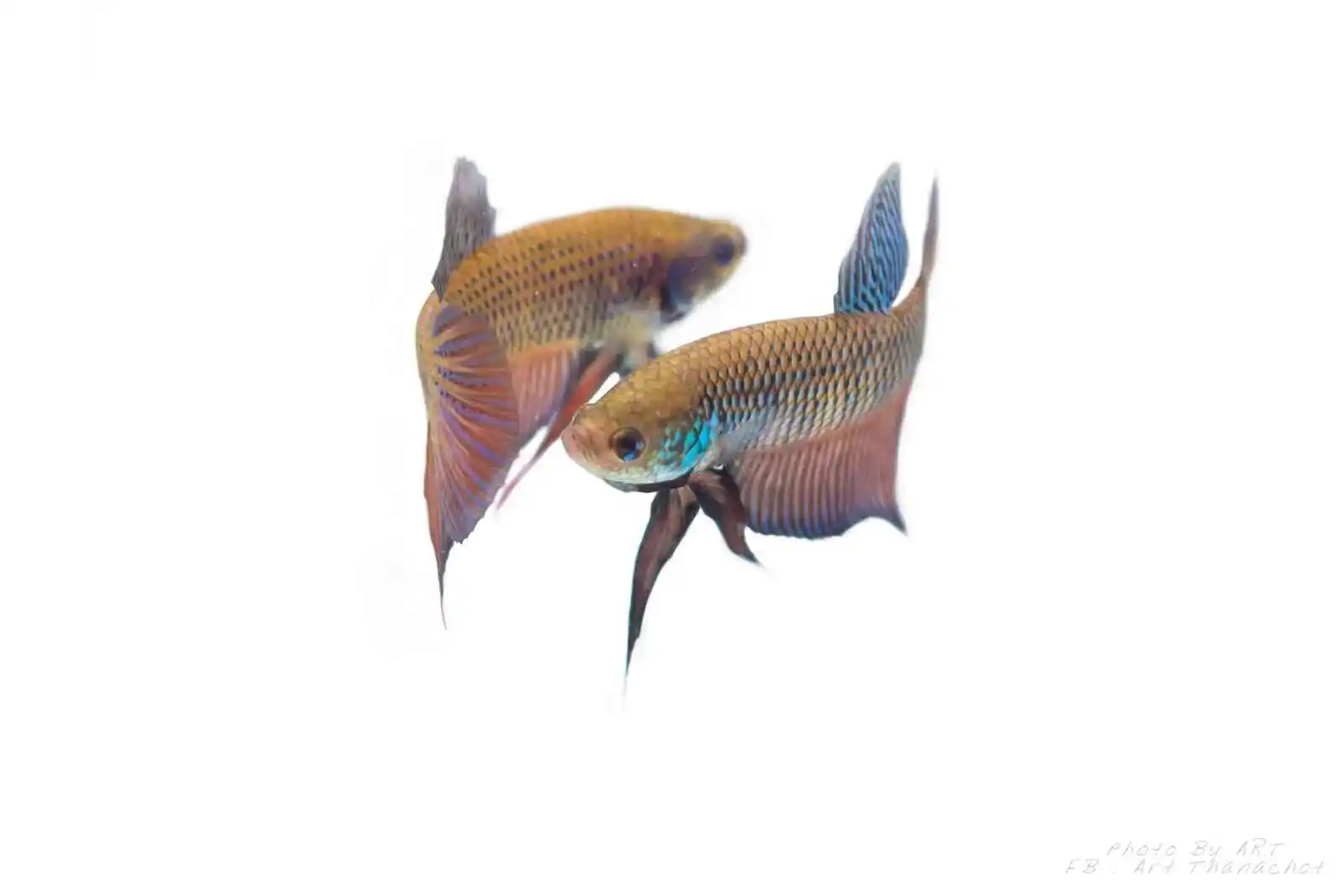
Introduction to Betta Fish
Betta fish, also known as Siamese fighting fish. Betta Fish and Tank is what you need for the best aquarium setup. They have an average life span of 3-5 years with proper care. Betta fish are carnivorous fish. They are a popular choice among aquarium enthusiasts due to their vivid colours and unique personalities. Originally from Southeast Asia, these fish are easy to care for and can thrive in a variety of environments. However, understanding their needs is essential for keeping them healthy and happy in an aquarium setup.
Creating the Perfect Habitat
To ensure your betta fish’s well-being, providing the right habitat is crucial. A tank size of at least 5 gallons is ideal, as it allows for adequate swimming space and stable water conditions. Use a filtration system to help maintain cleanliness, and avoid strong currents that could stress your betta. Additionally, include decorations, such as plants and hiding places, to create a comfortable environment where your fish can explore and feel secure.
Tank Size
Betta fish requires a minimum of 5 gallons(=19 litres). A larger tank can lead to healthier, happier betta fish. Avoid bowls, as they cause stress for betta fish and degrade water quality. Keep in mind that betta fish like to jump out of the aquarium, so leave some space between the lid and the aquarium.
Filtration for Betta Fish
The filter removes harmful toxins, such as ammonia, from the aquarium and adds oxygen, allowing the Betta fish to breathe more easily. You can use a gentle filter, as Betta fish dislike strong currents. Sponge filters or low-flow filters are ideal.
Water Conditions for Betta Fish
Maintaining the water temperature is essential to keep Betta fish healthy. Betta fish thrive in temperatures of 25–28°C (72–82°F). Use a heater as it is necessary to maintain the temperature for Betta fish. An aquatic heater needs to be installed to maintain the ideal temperature for Betta fish. Use an aquarium thermometer to check the tank’s water temperature and keep it suitable for Betta fish survival. Using dechlorinated water is vital for Betta fish survival. Also, maintain a pH of 6.5–7.5; check the tank water pH with a pH test kit.
Feeding a Betta fish
Feed the Betta fish 1-2 times a day. Remove uneaten food to prevent excess nitrite and ammonia in the water. High-quality pellets are best for Betta fish. You can give occasional treats such as bloodworms and brine shrimp.
Tank setup for Betta fish
Place live or silk plants in the aquarium, avoiding sharp plastic plants. Put smooth stones and add a hiding spot for Betta fish, as they are territorial fish. Place a Betta leaf near the surface, as they like resting near the air.
Water changes
Cleaning and doing water changes are essential for the survival of betta fish. You should clean the aquarium once a month. Do weekly water changes of 25-30%. Use a siphon to clean waste. Never change 100% water.
Signs of healthy Betta fish
There are various signs of healthy Betta fish:-
- Bright colors
- Active swimming pattern
- Flaring occasionally
- Eating well
- Making bubble nests
Warning signs to watch out for:-
- Clamped fins
- Lethargy
- White spots
- Torn fins
If you see these signs, then check the water quality immediately.
When to call a veterinarian for your Betta fish
If you see these signs, then call a Vet:-
- Changes to Betta fish colouration
- Lethargic swimming
- Receding fin
- Decreased appetite for more than a day
- Itching
- Rapid breathing, potentially with flared gills
- Gill colour changes
- Presence of lumps/bumps/masses
- White growths/spots of any kind
Common Diseases in Betta Fish
Common diseases in Betta fish to watch out for:-
- Fin rot (dirty water)
- Ich (white spots)
- Swim bladder issues (overfeeding)
- Parasites
- Cancer
- Pop eye
- Fungal oral or skin infections
- Bacterial infections
- Dropsy (fluid-filled body cavity)